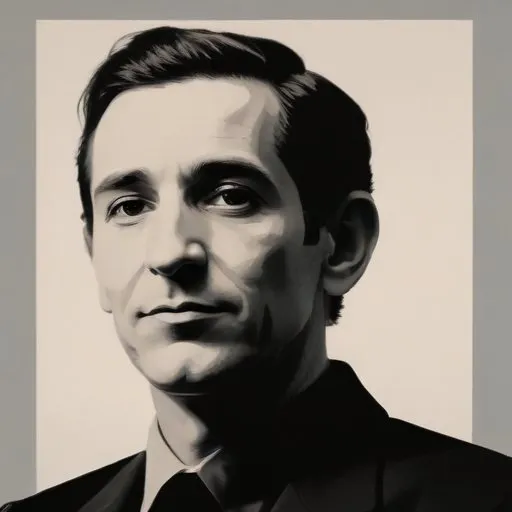
Andrew Goodman: The Civil Rights Activist Who Paid the Ultimate Price
A Life of Activism Cut Short
Andrew Goodman was an American civil rights activist who, alongside two fellow activists,
James Chaney and
Michael Schwerner, was brutally murdered by members of the Ku Klux Klan in Philadelphia, Mississippi, on June 21, 1964. This senseless act of violence shocked the nation and brought international attention to the civil rights movement, cementing Goodman's place as a martyr for the cause.
Early Life and the Roots of Activism
Born on November 23, 1943, in New York City, Goodman grew up in a family deeply committed to social justice. His parents, Robert and
Carolyn Goodman, were both vocal advocates for civil rights, with his mother being a lifelong labor activist. Goodman's neighborhood on the Upper East Side was a racially mixed community, exposing him to the importance of diversity and equality from a young age.
A Passion for Justice
Goodman's passion for justice was evident from his early teens. At 14, he participated in the 1958 Youth March for Integrated Schools in Washington, D.C., where approximately 10,000 high school students demanded the desegregation of American public schools following the landmark Brown v. Board of Education decision. The next year, Goodman traveled to West Virginia to live in a coal mining town, where he and a friend advocated for better working conditions to the governor.
The Freedom Summer
In 1964, Goodman volunteered for the Freedom Summer campaign, a program aimed at registering African Americans to vote in Mississippi and establishing Freedom Schools for black Southerners. Alongside Chaney and Schwerner, Goodman was determined to make a difference in the face of Southern oppression.
Murder in Mississippi
On June 21, 1964, Goodman, Chaney, and Schwerner were arrested by local police in Neshoba County, Mississippi, on trumped-up charges. Following their release, the three activists were ambushed and murdered by a group of Ku Klux Klan members. The brutality of their deaths sparked widespread outrage, with President
Lyndon B. Johnson launching a federal investigation into the case.
Lasting Legacy
Andrew Goodman's sacrifice did not go in vain. His death, along with those of his fellow activists, galvanized the civil rights movement, leading to the passage of the Voting Rights Act of 1965. The Goodman, Chaney, and Schwerner Memorial was dedicated in 2014, and in 2019, the three activists were posthumously awarded the Congressional Gold Medal.
Personal Milestones and Key Life Events
- November 23, 1943: Andrew Goodman was born in New York City
- 1958: Participated in the Youth March for Integrated Schools in Washington, D.C.
- 1959: Traveled to West Virginia to advocate for better working conditions in coal mining towns
- 1964: Volunteered for the Freedom Summer campaign in Mississippi
- June 21, 1964: Murdered by members of the Ku Klux Klan in Philadelphia, Mississippi
FAQ
What is Andrew Goodmans role in the Civil Rights Movement?
Andrew Goodman was an American activist who was one of three civil rights workers murdered in Mississippi in 1964, during the Freedom Summer project.
What was Andrew Goodmans work in Mississippi?
Andrew Goodman was working to register African American voters in Mississippi during the Freedom Summer project, when he was murdered by the Ku Klux Klan.
What is Andrew Goodmans legacy in the Civil Rights Movement?
Andrew Goodmans legacy in the Civil Rights Movement lies in his ultimate sacrifice for the cause of racial equality and justice, which helped galvanize public opinion and push for civil rights legislation.
How did Andrew Goodmans death impact the Civil Rights Movement?
Andrew Goodmans death, along with those of James Chaney and Michael Schwerner, shocked the nation and helped to galvanize public opinion in support of the Civil Rights Movement.
What is Andrew Goodmans current legacy?
Andrew Goodmans current legacy is one of sacrifice and courage in the pursuit of racial equality and justice. He is remembered as a martyr to the cause of civil rights.