


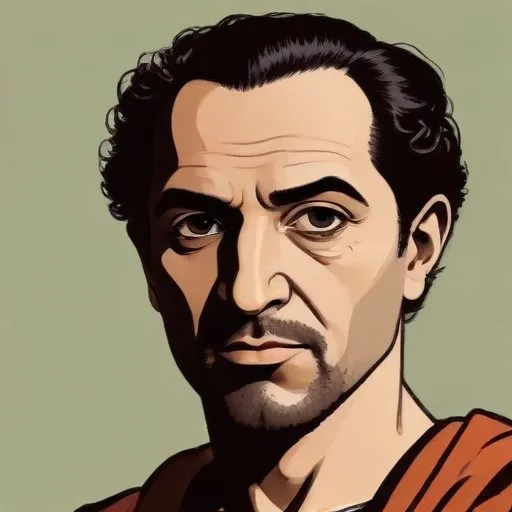
A leading figure in the Greek literary revival of the 20th century, known for blending folk traditions with modernist experimentation in his poetry and plays. His work explores themes of identity, mythology, and the human condition.
Angelos Sikelianos, a renowned Greek lyric poet and playwright, is celebrated for his profound exploration of Greek history, religious symbolism, and universal harmony in his works. His poetry and plays are distinguished by their grandiloquent style, which, although occasionally criticized for its extravagance, has secured his place among the finest poets in Western literature.
Sikelianos was born on March 28, 1884, in Lefkada, a picturesque island in western Greece. He spent his childhood in Lefkada, where his love for literature and poetry first took root. In 1900, he enrolled in the Athens Law School, but his passion for poetry soon drew him away from academic pursuits.
Sikelianos' extensive travels in the early 20th century played a significant role in shaping his literary perspective. In 1907, he married Eva Palmer, an American, in the United States, and the couple later settled in Athens in 1908. This period saw Sikelianos develop close ties with Greek intellectuals, which greatly influenced his writing.
Sikelianos' literary debut came in 1909 with the publication of his first poetry collection, Alafroskotos (The Moonstruck), which received critical acclaim and recognition. His subsequent works, including Prologue to Life, Mother of God, and Delphic Utterance, solidified his reputation as a master poet.
His plays, such as Sibylla, Daedalus in Crete, Christ in Rome, The Death of Digenis, The Dithyramb of the Rose, and Asklepius, demonstrate his unique approach to storytelling and his exploration of themes that resonate with Greek culture and history.
Sikelianos' friendship with fellow writer Nikos Kazantzakis, author of Zorba the Greek, is a remarkable chapter in his life. The two writers shared a deep mutual respect and admiration for each other's work, despite their vastly different personalities. In 1914, they embarked on a 40-day pilgrimage to Mount Athos, visiting most of the monasteries and living the life of ascetics.
Sikelianos' contributions to literature were recognized with numerous nominations for the Nobel Prize in Literature from 1946 to 1951, a testament to his impact on Western literature.
Angelos Sikelianos' legacy extends beyond his literary achievements. His poetry and plays have left an indelible mark on Greek literature, inspiring generations of writers and intellectuals. His exploration of universal harmony and cultural heritage continues to resonate with readers worldwide, making him a towering figure in the world of literature.
Sikelianos' quotes and sayings offer a glimpse into his profound understanding of human nature, art, and the interconnectedness of all things.
Born in 1883
A Greek philosopher, author, and playwright who explored the human condition through novels like "Zorba the Greek" and "The Last Temptation of Christ", delving into themes of spirituality, morality, and individualism.
Born in 1900
A Greek poet and diplomat who won the Nobel Prize in Literature in 1963 for his lyrical and symbolic poetry that explored Greek identity and culture. His work is known for its evocative and introspective style.
Born in 1911
A Greek poet and critic, renowned for his lyrical and evocative works that explored the human experience, mythology, and the Greek identity. His poetry is celebrated for its musicality and depth.
Born in 1909
A celebrated Greek poet and playwright, known for his powerful and evocative works that often explored themes of love, politics, and the human condition. His poetry is characterized by its lyricism and accessibility.
Born in 1863
A renowned poet and journalist who crafted evocative, historically-inspired verses that probed the human condition, exploring themes of love, identity, and mortality. His unique style blended ancient and modern elements, earning him a devoted following.
Born in 1859
A leading figure of the Greek literary generation of the 1880s, he wrote influential poetry and plays that explored themes of Greek identity and national revival. His works are considered cornerstones of modern Greek literature.
