


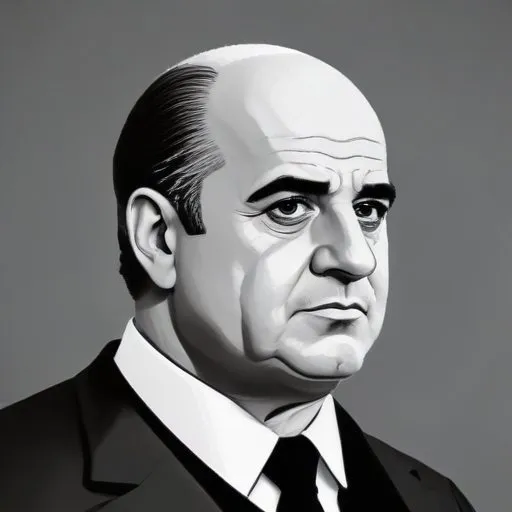
A Greek poet and diplomat who won the Nobel Prize in Literature in 1963 for his lyrical and symbolic poetry that explored Greek identity and culture. His work is known for its evocative and introspective style.
Giorgos Seferis, the pen name of Georgios Seferiadis, was a Greek poet and diplomat who embodied the perfect blend of art and politics. He was awarded the Nobel Prize in Literature in 1963, becoming the first Greek writer to receive this prestigious honor.
Seferis was born on March 13, 1900, in Vourla, a small town near Smyrna, in the Ottoman Empire (now İzmir, Turkey). His father, Stelios Seferiadis, was a lawyer, professor, and poet who instilled in his son a love for the demotic Greek language and a strong sense of national identity.
Seferis pursued a career in diplomacy, joining the Greek Foreign Service in 1926. He held various posts in England and Albania, where he honed his skills as a diplomat and cultivated his passion for poetry. His experiences during World War II and the Greek Civil War deeply influenced his writing, shaping his unique style and thematic focus.
Seferis' poetry is characterized by its lyricism, depth, and exploration of the human condition. His works often revolve around themes of exile, nostalgia, and the search for identity. His most celebrated poems, such as "Mythistorema" and "The Logbooks," showcase his mastery of language and his ability to evoke powerful emotions.
Seferis' impact on modern Greek literature is immense. He played a crucial role in shaping the country's literary landscape, inspiring generations of writers and poets. His diplomatic career also left an indelible mark on Greek politics and international relations. Today, Seferis is celebrated as a national hero, and his works continue to resonate with readers worldwide.
"The greatest sorrow of my life is that I was not born in Greece. I was born in Asia Minor, and that is a different thing."
"I have never been able to write about anything but the human condition. I don't know how to do anything else."
Seferis' life and work are deeply entwined with the turbulent history of Greece during the 20th century. His poetry and diplomatic career reflect the country's struggles, triumphs, and contradictions. As a poet-diplomat, Seferis embodied the spirit of Greek culture, and his legacy continues to inspire and challenge readers today.
Born in 1911
A Greek poet and critic, renowned for his lyrical and evocative works that explored the human experience, mythology, and the Greek identity. His poetry is celebrated for its musicality and depth.
Born in 1863
A renowned poet and journalist who crafted evocative, historically-inspired verses that probed the human condition, exploring themes of love, identity, and mortality. His unique style blended ancient and modern elements, earning him a devoted following.
Born in 1884
A leading figure in the Greek literary revival of the 20th century, known for blending folk traditions with modernist experimentation in his poetry and plays. His work explores themes of identity, mythology, and the human condition.
Born in 1859
A leading figure of the Greek literary generation of the 1880s, he wrote influential poetry and plays that explored themes of Greek identity and national revival. His works are considered cornerstones of modern Greek literature.
Born in 1883
A Greek philosopher, author, and playwright who explored the human condition through novels like "Zorba the Greek" and "The Last Temptation of Christ", delving into themes of spirituality, morality, and individualism.
Born in 1904
A Chilean poet and diplomat who wrote passionate and evocative poetry that explored love, politics, and the human condition, and was awarded the Nobel Prize in Literature in 1971.
Born in 1889
A Chilean poet and educator who was the first Latin American to win the Nobel Prize in Literature, known for her passionate and introspective poetry that explores themes of love, nature, and social justice.
Born in 1901
An Italian writer who crafted powerful, symbolic poetry and novels that explored the human condition, earning him the Nobel Prize in Literature in 1959.
