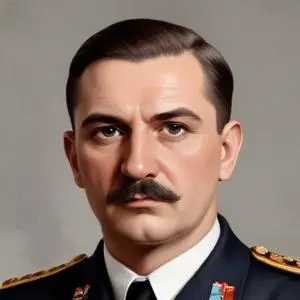
Ante Pavelić: The Controversial Founder of the Ustaše
Overview and Notoriety
Ante Pavelić is widely recognized as the founder and leader of the fascist ultranationalist organization known as the Ustaše, which perpetrated egregious human rights atrocities during World War II. As the dictator of the Independent State of Croatia (NDH), a puppet state established by Nazi Germany and Fascist Italy, Pavelić's regime was marked by brutal suppression of racial minorities, political opponents, and other marginalized groups, earning him a notorious reputation as a key figure in the genocide of Serbs, the Porajmos, and the Holocaust in the NDH.
Early Life and Political Ideology
Born on July 14, 1889, in Bradina, Bosnia and Herzegovina, Pavelić developed strong nationalist sentiments from an early age, advocating for an independent Croatia. He pursued a career in law and politics, joining the Croatian Party of Rights, where his radical views and support for Croatian independence gained prominence. By the late 1920s, Pavelić's beliefs had become increasingly extreme, prompting him to call for a Croatian revolt against Yugoslavia and seek an Italian protectorate.
The Rise of the Ustaše and the NDH
After King Alexander I declared his 6 January Dictatorship in 1929, banning all political parties, Pavelić fled to Italy, where he founded the Ustaše, a Croatian nationalist movement dedicated to creating an independent Croatia by any means necessary, including terrorism. The Ustaše program incorporated violent acts, such as train bombings and assassinations, culminating in the 1934 assassination of King Alexander in conjunction with the Internal Macedonian Revolutionary Organization (IMRO). Pavelić was subsequently sentenced to death in absentia by both Yugoslav and French authorities.
Dictatorship and Atrocities
As the leader of the NDH, established in 1941, Pavelić's regime was marked by unrelenting brutality, with the Ustaše perpetrating genocide against Serbs, Jews, Romani, and antifascists. The regime's policies of ethnic cleansing, forced labor, and mass executions resulted in an estimated 320,000 to 390,000 deaths, with Pavelić's government actively collaborating with the Nazi regime.
Post-War Fugitivity and Legacy
Following the collapse of the NDH in 1945, Pavelić fled to Argentina, where he lived in hiding until his death on December 28, 1959. His legacy is marred by the atrocities committed during his regime, with Pavelić remaining a highly controversial figure in Croatian and world history.
Personal Milestones and Key Life Events
- 1889: Born on July 14th in Bradina, Bosnia and Herzegovina
- 1920s: Joined the Croatian Party of Rights
- 1929: Founded the Ustaše in Italy
- 1934: Assassination of King Alexander I
- 1941: Established the Independent State of Croatia (NDH)
- 1945: Fled to Argentina following the collapse of the NDH
- 1959: Died on December 28th in Argentina
Influence on Modern Society
Pavelić's legacy continues to influence modern society, serving as a stark reminder of the devastating consequences of extremist ideologies and the importance of combating hatred and intolerance. His regime's atrocities have been recognized as a genocide by the international community, highlighting the need for continued education and awareness about the dangers of fascism and ultranationalism.
FAQ
What was Ante Pavelićs role in World War II?
Ante Pavelić was the leader of the fascist Ustaše regime in Croatia during World War II, and was responsible for numerous atrocities and human rights abuses.
What were Ante Pavelićs views on ethnicity and nationalism?
Ante Pavelić was a strong advocate for Croatian nationalism and believed in the superiority of the Croat people. He implemented policies of ethnic cleansing and genocide against minority groups, including Jews, Serbs, and Roma.
How did Ante Pavelić rise to power in Croatia?
Ante Pavelić rose to power in Croatia through a combination of political maneuvering and violence, eventually establishing a fascist regime that was allied with Nazi Germany.
What was the impact of Ante Pavelićs regime on Croatia?
Ante Pavelićs regime had a devastating impact on Croatia, leading to widespread violence, human rights abuses, and economic instability.
What was Ante Pavelićs fate after World War II?
Ante Pavelić fled Croatia at the end of World War II and eventually died in exile in Argentina, having escaped prosecution for his crimes.