


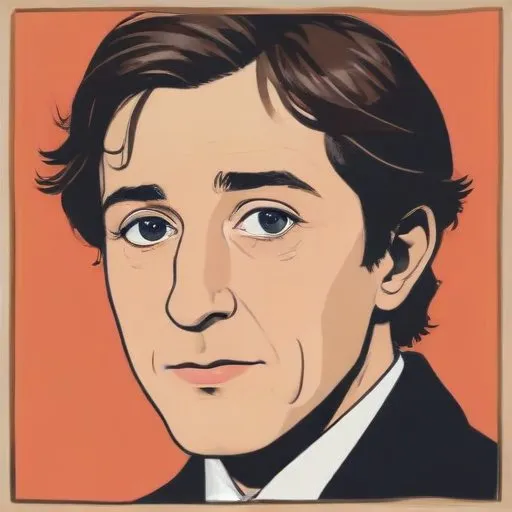
Wrote adventure novels, most notably "The Prisoner of Zenda", a classic tale of royal intrigue and romance.
Anthony Hope, a renowned British novelist and playwright, is best known for his iconic adventure novel, The Prisoner of Zenda (1894), and its sequel, Rupert of Hentzau (1898). These two works, considered minor classics of English literature, have spawned the genre of Ruritanian romance, captivating readers with their fictional European locales and swashbuckling tales.
Born Anthony Hope Hawkins on February 9, 1863, he was educated at St. John's School, Leatherhead, Marlborough College, and Balliol College, Oxford. During his time at Oxford, Hope excelled academically, obtaining first-class honors in Classical Moderations (Literis Graecis et Latinis) in 1882 and in Literae Humaniores (Greats) in 1885.
After completing his education, Hope trained as a lawyer and barrister, being called to the Bar by the Middle Temple in 1887. However, his passion for writing soon took center stage. His short pieces began appearing in periodicals, and he eventually self-published his first book, A Man of Mark (1890). Although not an instant success, this novel laid the groundwork for his future hits, including The Prisoner of Zenda.
The Prisoner of Zenda, published in 1894, was an instant success, captivating readers with its thrilling tale of political intrigue, adventure, and romance. The novel's popularity spawned numerous adaptations, including the 1937 Hollywood movie and the 1952 version. The book's influence extended beyond the realm of literature, inspiring a new genre of fiction – Ruritanian romance.
Anthony Hope's works have had a profound impact on the world of literature and beyond. His influence can be seen in the numerous adaptations and reinterpretations of his novels, as well as in the emergence of the Ruritanian romance genre. His writing continues to captivate readers, inspiring new generations of writers and enthusiasts alike.
"The best way to get on in the world is to get in the way of people who are going your way."
Anthony Hope passed away on July 8, 1933, leaving behind a legacy that continues to captivate audiences around the world. His works remain a testament to his imagination, creativity, and storytelling prowess, solidifying his place in the pantheon of great British writers.
Born in 1850
A Scottish novelist, poet, and essayist who wrote iconic adventure novels, including "Treasure Island" and "Dr. Jekyll and Mr. Hyde", that have captivated readers for generations.
Born in 1859
Creator of the iconic detective Sherlock Holmes, known for his ingenious mysteries and clever plot twists.
Born in 1854
A witty and flamboyant literary mastermind, renowned for crafting clever, humorous, and poignant works that continue to delight audiences with their clever wordplay and societal commentary.
Born in 1828
A visionary writer who pioneered the science fiction genre, crafting timeless tales of adventure and exploration that continue to inspire generations.
Born in 1866
A visionary writer who pioneered the science fiction genre, crafting timeless classics like "The Time Machine" and "War of the Worlds" that continue to inspire and captivate audiences today.
Born in 1875
Creator of iconic science fiction and fantasy series, including Tarzan and John Carter of Mars, which have captivated readers for generations with their imaginative worlds and swashbuckling adventures.
Born in 1858
Wrote imaginative and fantastical children's books, including "The Railway Children" and "Five Children and It", that have become beloved classics.
Born in 1865
A renowned author and poet, best known for his imaginative and vivid stories, particularly "The Jungle Book", which have captivated readers of all ages with their timeless themes and memorable characters.
