


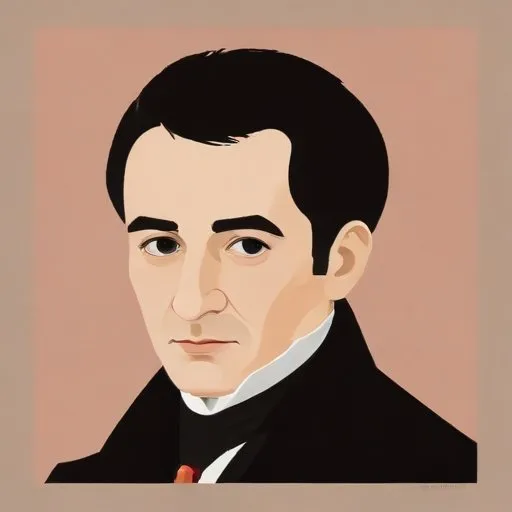
A 17th-century French scholar and lexicographer who compiled the first comprehensive French dictionary, setting the standard for the language. His work remains a cornerstone of French linguistics.
Antoine Furetière, a French scholar, writer, and lexicographer, is best known for his satirical novel Scarron's City Romance, which ridiculed the fashionable romances of his time. Additionally, he made significant contributions to the French language by compiling a dictionary, which, although not officially recognized, showcased his dedication to the field of lexicography.
Born on December 28, 1619, in Paris, Furetière was the son of an employee of the royal household. He studied law and worked as an attorney and tax assessor before becoming a Catholic clergyman. In 1662, he was appointed as the abbé of Chalivoy in the diocese of Bourges, which provided him with the leisure to pursue his writing career.
Furetière's most notable literary work is Le Roman bourgeois (1666), a satirical novel that mocked the excessive romanticism of his contemporaries, particularly Madeleine de Scudéry and Gauthier de Costes, seigneur de la Calprenède. The novel's self-conscious narrator and unconventional style anticipate Laurence Sterne's Tristram Shandy (1759-1767).
His other notable works include Nouvelle allégorique, ou histoire des derniers troubles arrivés au royaume d'éloquence (1658), which earned him admission to the Académie Française in 1662.
Furetière was initially involved in the collaborative project to create a complete dictionary of the French language, entrusted to the Académie Française. However, he grew frustrated with the slow progress and differing approaches of his colleagues, leading him to work on his own dictionary. Although his dictionary was not officially recognized, it demonstrated his dedication to the field of lexicography.
Furetière was admitted to the Académie Française in 1662, a prestigious honor that recognized his literary achievements.
Furetière's satirical works, particularly Le Roman bourgeois, influenced the development of the novel as a literary genre. His contributions to lexicography, although not officially recognized, showcased his dedication to the field.
Despite controversies surrounding his dictionary and his expulsion from the Académie Française, Furetière's literary works and lexicographical contributions have left a lasting impact on French literature and language.
Born in 1694
A witty and insightful 18th-century writer and philosopher who used satire to critique societal norms and advocate for reason, tolerance, and human rights.
Born in 1622
A 17th-century master of comedy, he penned witty plays that satirized the French aristocracy, leaving a lasting impact on Western theater. His works remain widely performed and adapted today.
Born in 1712
A pioneering thinker who shaped modern democracy and education with his ideas on social contracts, general will, and the importance of early childhood education. His writings influenced the French Revolution and modern political thought.
Born in 1689
A French lawyer and philosopher who developed the concept of separation of powers, which divides a government into legislative, executive, and judicial branches to prevent abuse of power. His ideas greatly influenced modern democracy.
Born in 1636
A 17th-century French poet and critic who advocated for reason and morality in literature, and is known for his influential writings on poetry and aesthetics.
Born in 1621
A 17th-century master of fables, crafting witty, moral tales that entertain and educate, still widely read and adapted today.
