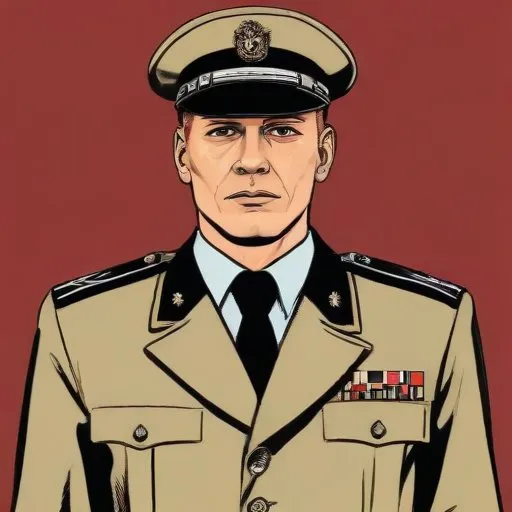
Anton Geiser: The Yugoslav-Born Guard of Sachsenhausen and Buchenwald Concentration Camps
Early Life and Draft into the Waffen SS
Anton Geiser, also spelled Geisser, was born on October 17, 1924, in the village of Selci, part of Đakovo in eastern Croatia, Yugoslavia. He is notoriously known for serving as a guard at both the Sachsenhausen and Buchenwald concentration camps during World War II.
Geiser, an ethnic German, was drafted into the Waffen SS at the age of 17 in September 1942, shortly after the invasion of Yugoslavia by Nazi Germany. He was chosen to be a member of the SS-Totenkopfverbände, the so-called Death's Head Battalion that most concentration camp guards belonged to.
SS Career and Concentration Camp Service
Geiser was sent to the Sachsenhausen concentration camp near Oranienburg for training, where he was instructed that as a matter of policy, prisoners attempting escape were to be shot. During his time at Sachsenhausen, he served as a perimeter guard and escorted prisoners to and from labor sites. Later, he served at the Buchenwald concentration camp in a similar capacity, escorting prisoners to the Arolsen subcamp as necessary and aiding with the evacuation of Arolsen's prisoners back to Buchenwald when the subcamp was closed near the war's end.
Life after World War II
After World War II ended, Geiser lived in Germany for three years before moving to Austria in 1948 to be with his girlfriend, Theresia (1925-2011). He married Theresia in Austria before immigrating to the United States in 1956, settling in Sharon, Pennsylvania, where he had family. In 1962, he became a naturalized American citizen.
Stripped of Citizenship and Deportation
In 2006, Geiser's citizenship was revoked on the grounds that it would not have been granted had the full details of his role in the German military been known. In 2010, a US judge ordered him deported to Austria, the country from which he had immigrated.
Later Life and Death
Geiser died on December 26, 2012, in Pittsburgh, Pennsylvania, while still battling his deportation. He was 88 years old at the time of his death.
Legacy
Anton Geiser's story serves as a reminder of the darker aspects of human history and the importance of holding individuals accountable for their actions during times of war.
- Geiser's case highlights the complexities of immigration and naturalization laws, as well as the importance of thorough background checks.
- His story also raises questions about the moral and ethical implications of Nazi war crimes and the accountability of those involved.
Geiser's legacy is a somber reminder of the atrocities committed during World War II and the importance of learning from history to prevent such events from happening again.
FAQ
What was Anton Geisers role in the SS?
Anton Geiser was a high-ranking officer in the Waffen-SS, serving as a commander of the 7th SS Volunteer Mountain Division Prinz Eugen.
What atrocities was Anton Geiser involved in during World War II?
Anton Geiser was involved in numerous atrocities during World War II, including the persecution and murder of Jews, Romani people, and other minority groups.
How did Anton Geiser escape justice after the war?
Anton Geiser escaped justice after the war by fleeing to Argentina, where he lived under an assumed identity until his death in 1953.
What was Anton Geisers role in the Croatian fascist movement?
Anton Geiser was a prominent figure in the Croatian fascist movement, serving as a high-ranking official in the Ustaše regime.
What is Anton Geisers legacy in modern Croatia?
Anton Geisers legacy in modern Croatia is one of controversy and shame, with many Croatians condemning his involvement in fascist atrocities during World War II.