


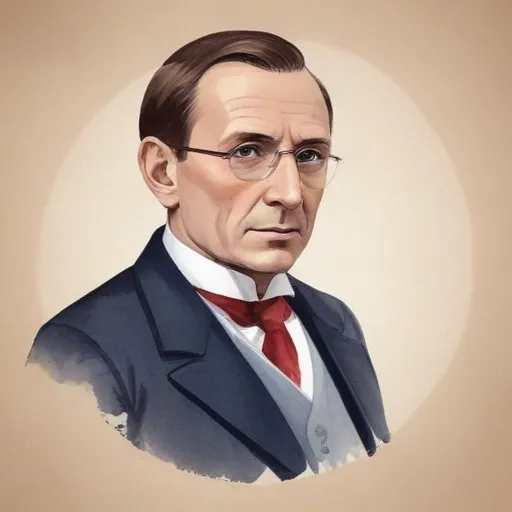
A German anatomist and academic who made significant contributions to the field of anatomy, particularly in the study of human embryos and the development of the nervous system.
Anton Nuhn, a German anatomist born on June 21, 1814, in Schriesheim, Baden, is renowned for his groundbreaking work in the field of anatomy, particularly for the discovery of Nuhn's glands, also known as anterior lingual glands.
Nuhn's glands, small, deeply placed seromucous glands located near the tip of the tongue on each side of the frenulum, were first identified and described by Nuhn. This remarkable discovery has had a lasting impact on the field of anatomy, earning Nuhn a permanent place in the annals of medical history.
Nuhn pursued his passion for medicine at the University of Heidelberg, where he was fortunate to study under the guidance of the illustrious Friedrich Tiedemann (1781-1861). This mentorship proved instrumental in shaping Nuhn's future in anatomy.
Nuhn's academic journey was marked by several milestones, including his appointment as a lecturer at the University of Heidelberg in 1842, followed by his role as prosector. In 1849, he became an associate professor at the institute of anatomy, and in 1872, he received the title of honorary professor.
One of Nuhn's most notable contributions to the field of anatomy is his comprehensive textbook on comparative anatomy, titled Lehrbuch der vergleichenden Anatomie, published in 1878. This seminal work has been widely acclaimed for its meticulous detail and exhaustive coverage of the subject.
Nuhn's discovery of Nuhn's glands has had a profound impact on the field of anatomy, inspiring generations of anatomists and researchers. His work has also contributed significantly to our understanding of the human body, enabling advancements in various fields, including medicine, biology, and healthcare.
In recognition of his outstanding contributions, Nuhn's name has become synonymous with his discovery, with Nuhn's glands bearing his name. This enduring legacy is a testament to his pioneering spirit and dedication to the pursuit of anatomical knowledge.
Anton Nuhn's life was marked by several significant events, including his birth on June 21, 1814, and his passing on June 27, 1889. Throughout his life, Nuhn remained committed to his work, driven by an insatiable curiosity and passion for anatomy.
Nuhn's work was guided by a deep-seated belief in the importance of understanding the human body. He was convinced that a thorough knowledge of anatomy was essential for advancing medical science and improving human health.
Through his work, Nuhn demonstrated an unwavering commitment to the scientific method, emphasizing the importance of rigorous observation, meticulous documentation, and critical thinking. His philosophical contributions continue to inspire anatomists and researchers to this day.
Nuhn's discovery of Nuhn's glands has had far-reaching implications for modern society, contributing to advancements in fields such as medicine, biology, and healthcare. His work has also inspired new generations of researchers, sparking innovative discoveries and applications in various areas of science and technology.
In conclusion, Anton Nuhn's remarkable life and work have left an indelible mark on the field of anatomy. His groundbreaking discovery of Nuhn's glands, his comprehensive textbook on comparative anatomy, and his unwavering commitment to the pursuit of knowledge have cemented his place as one of the most significant anatomists of his time.
Born in 1514
A pioneering figure in the study of human anatomy, known for performing detailed dissections and creating accurate drawings of the body's inner workings, revolutionizing medical understanding.
Born in 1628
Italian physician and biologist who discovered capillaries, the tiny blood vessels connecting arteries and veins, and is considered the father of microscopy and histology.
Born in 1632
Pioneering microbiologist who discovered microorganisms like bacteria, yeast, and protists, laying the foundation for modern microbiology.
Born in 1637
Pioneering microscopist who discovered and described red blood cells, and made significant contributions to the field of entomology, particularly in the study of insects.
