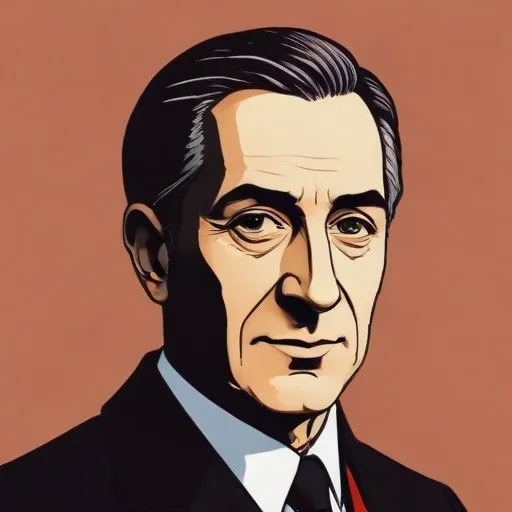
Antonio Possevino: The Jesuit Protagonist of Counter-Reformation
A Life of Diplomacy and Controversy
Antonio Possevino was a prominent Jesuit figure of the 16th century, renowned for his tireless efforts as a papal diplomat and controversialist during the Counter-Reformation. As the first Jesuit to visit Muscovy, Sweden, Denmark, Livonia, Hungary, Pomerania, and Saxony, Possevino championed the enterprising policies of
Pope Gregory XIII through multiple papal missions between 1578 and 1586.
Early Life and Education
Born on July 10, 1533, in Mantua, Italy, Possevino was part of a family of New Christians, recently admitted to the learned circles of the Renaissance court of Mantua and its Gonzaga dukes. His father, a Piedmontese from Asti, was a goldsmith who moved to Mantua and changed the family name from Cagliano to Possevino. Possevino's mother nursed him alongside Francesco III Gonzaga, Duke of Mantua, fostering a connection that would influence his future endeavors.
Possevino's older brother, Giovanni Battista, introduced him to the intellectual circles of Rome, where he studied and met prominent figures such as Fulvio Orsini and Paulus Manutius. In 1553, Possevino published his brother's posthumous work, the "Dialogo dell'Onore," which showcased his own literary skills.
Renaissance Humanist and Tutor
Possevino's early career as a Renaissance humanist and tutor laid the foundation for his later diplomatic endeavors. He dedicated his work, "Centones ex Vergilio," to the French poet Joachim Du Bellay, and in 1556, he defended his brother's writings against accusations of plagiarism in "Due Discorsi."
Papal Missions and Diplomacy
Possevino's extensive travels and diplomatic efforts earned him recognition as a prominent figure of the Counter-Reformation. During his papal missions, he sought to promote Catholicism and Counter-Reformation ideals in various European regions. His journeys took him to Muscovy, where he attempted to forge an alliance with Ivan IV, and to Sweden, Denmark, and Livonia, where he met with Protestant leaders.
Legacy and Controversy
Possevino's life was marked by controversy, particularly in his later years. His involvement in the papal missions sparked criticism and debate among his contemporaries. Despite this, his contributions to the Counter-Reformation and his diplomatic efforts left a lasting impact on the Catholic Church.
Major Works and Achievements
- "Dialogo dell'Onore" (1553) - published posthumously on behalf of his brother Giovanni Battista
- "Centones ex Vergilio" (1555) - dedicated to Joachim Du Bellay
- "Due Discorsi" (1556) - defended his brother's writings against plagiarism accusations
- Papal missions to Muscovy, Sweden, Denmark, Livonia, Hungary, Pomerania, and Saxony (1578-1586)
Personal Milestones and Key Life Events
- 1533 - Born in Mantua, Italy
- 1549 - Studied in Rome with his brother Giovanni Battista
- 1553 - Published "Dialogo dell'Onore" on behalf of his brother
- 1578-1586 - Undertook papal missions to various European regions
- 1611 - Passed away on February 26th
Philosophical Contributions and Beliefs
Possevino's works and diplomatic efforts reflect his unwavering commitment to Catholicism and the Counter-Reformation ideals. His writings and actions demonstrate a deep understanding of the complexities of his time, making him a significant figure in the intellectual and religious climate of the 16th century.
Historical Context and Legacy
Possevino's life and achievements are set against the backdrop of the Counter-Reformation, a time of great religious and political upheaval in Europe. His diplomatic efforts and writings played a crucial role in shaping the Catholic Church's response to the Protestant Reformation. As a prominent Jesuit figure, Possevino's legacy continues to influence Catholic thought and action to this day.
FAQ
What was Antonio Possevinos role in the Council of Trent?
Antonio Possevino played a significant role in the Council of Trent, serving as a papal legate and helping to shape the Catholic Churchs response to the Protestant Reformation.
How did Antonio Possevinos diplomacy impact the Catholic Church?
Antonio Possevinos diplomacy had a significant impact on the Catholic Church, helping to strengthen its position and promote unity among Catholics. He was a skilled negotiator and diplomat.
What were Antonio Possevinos accomplishments as a theologian?
Antonio Possevinos accomplishments as a theologian included his work on the Catechism of the Council of Trent and his writings on Catholic theology. He was a prominent figure in Catholic theology.
How did Antonio Possevinos missionary work impact the Catholic Church?
Antonio Possevinos missionary work had a significant impact on the Catholic Church, helping to promote Catholicism in Eastern Europe and strengthen ties between the Catholic Church and Eastern Orthodox Church.
What is Antonio Possevinos legacy in Catholic theology?
Antonio Possevinos legacy in Catholic theology is profound, with his work on the Catechism of the Council of Trent and his writings on Catholic theology remaining influential to this day.