


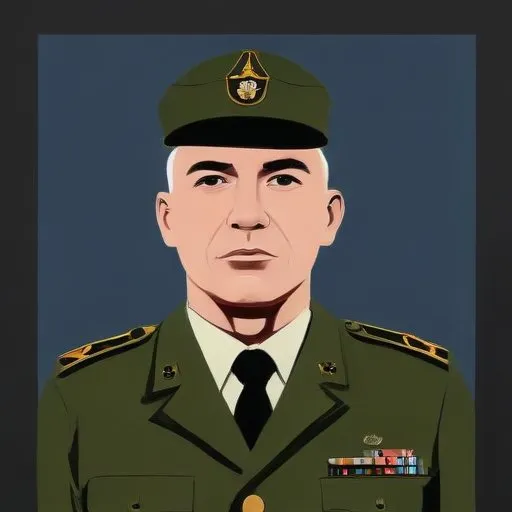
A U.S. Army officer who served as a military aide to U.S. presidents Theodore Roosevelt and William Howard Taft, and is best known for his heroic actions during the sinking of the RMS Titanic.
Archibald Willingham DeGraffenreid Clarendon Butt, a name that resonates in the corridors of American history, was a distinguished Army officer and trusted aide to two iconic presidents, Theodore Roosevelt and William Howard Taft. His profound impact on the presidencies, coupled with his untimely demise in the Titanic tragedy, has cemented his place as a fascinating figure in American politics.
Born on September 26, 1865, in Augusta, Georgia, Butt's early life was marked by hardship and loss. After his father's passing at the age of 14, he took on the responsibility of supporting his mother and siblings. This experience fostered a strong work ethic and determination that would serve him well in his future endeavors.
Butt's educational pursuits took him to the University of the South in Sewanee, Tennessee, where he developed a passion for journalism. He became the editor of the college newspaper, showcasing his writing skills and enthusiasm for current events.
In 1898, Butt was commissioned in the United States Volunteers and served in the Quartermaster Corps during the Spanish-American War. His military career was marked by brief postings in Washington, D.C., and Cuba, before being appointed as the First Secretary of the American embassy in Mexico.
Butt's diplomatic acumen and military experience made him an attractive candidate for the position of military aide to President Theodore Roosevelt. He served in this capacity from 1908 to 1912, advising the president on various matters, including foreign policy and military strategy.
In 1912, Butt continued his role as military aide under President William Howard Taft, providing counsel on issues such as labor disputes and infrastructure development. His insightful writings, known as the " Butt Papers," offer a unique perspective on the presidencies and provide valuable historical insights.
On April 10, 1912, Butt embarked on a voyage to Europe, traveling aboard the RMS Titanic. The ill-fated ship sank on April 15, 1912, after colliding with an iceberg, claiming Butt's life along with over 1,500 others.
Butt's untimely death was met with an outpouring of tributes and condolences from politicians, military personnel, and the general public. His legacy as a trusted advisor, skilled diplomat, and dedicated public servant continues to inspire and fascinate to this day.
Archibald Butt's influence on American politics and history is undeniable. His counsel and guidance played a significant role in shaping the presidencies of Roosevelt and Taft, and his writings provide a unique window into the inner workings of the White House.
Butt's story serves as a testament to the power of determination, hard work, and dedication. From humble beginnings to the heights of American politics, his remarkable journey continues to captivate and inspire future generations.
Born in 1858
A pioneering leader who championed progressive reforms, trust-busting, and conservation, earning a Nobel Peace Prize for mediating the Russo-Japanese War. He's also famous for his rugged outdoorsmanship and "big stick" diplomacy.
Born in 1857
The 27th President of the United States was a lawyer and jurist who served as the only person to hold the offices of President and Chief Justice of the United States. He's known for his significant contributions to the country's judicial system.
Born in 1845
A prominent lawyer and politician who served as Secretary of State, earning a Nobel Peace Prize for his diplomatic efforts. He's most known for his work in international arbitration and conflict resolution.
Born in 1867
A prominent figure in American politics, serving as Secretary of State and playing a key role in shaping foreign policy during World War II. He's also known for his advocacy of international cooperation and collective security.
Born in 1882
Led the United States through the Great Depression and World War II, implementing a series of reforms known as the New Deal and helping to establish the country as a global superpower.
Born in 1880
A highly decorated military leader and statesman who played a crucial role in shaping post-WWII foreign policy and was awarded the Nobel Peace Prize for his efforts. He's most known for authoring the Marshall Plan, a massive economic aid program that helped rebuild war-torn Europe.
Born in 1880
A highly decorated war hero and master strategist who led troops to victory in World War I and II, and later became a prominent figure in the occupation of Japan.
Born in 1890
Led the Allied forces to victory in World War II and later served as President, maintaining peace and prosperity during the Cold War era. He's known for his strategic leadership and diplomatic skills.
