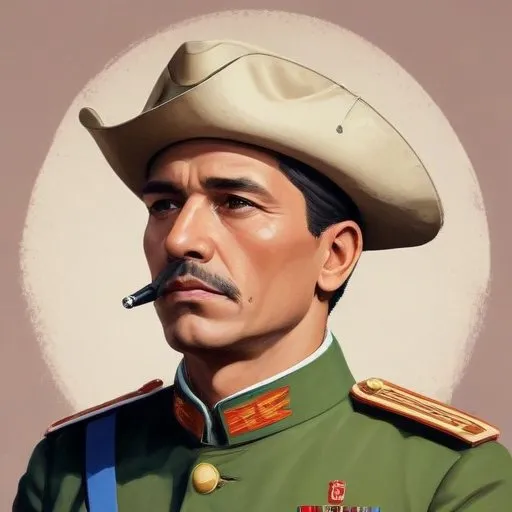
Augusto César Sandino: The Nicaraguan Revolutionary Who Defied American Imperialism
The Unyielding Defender of Nicaraguan Sovereignty
Augusto César Sandino is revered as a hero in Nicaragua and a symbol of resistance against American imperialism in Latin America. He led a rebellion between 1927 and 1933 against the United States occupation of Nicaragua, drawing units of the United States Marine Corps into an undeclared guerrilla war.
Early Life and Humble Beginnings
Sandino was born on May 18, 1895, in Niquinohomo, Masaya Department, Nicaragua. He was the illegitimate son of Gregorio Sandino, a wealthy landowner of Spanish descent, and Margarita Caldern, an indigenous servant with the Sandino family. His early life was marked by hardship, and he was forced to work menial jobs to support his family.
The Making of a Revolutionary
Sandino's experiences as a migrant worker in Honduras and Guatemala exposed him to the harsh realities of exploitation and oppression. He became politicized and radicalized, eventually returning to Nicaragua to organize a rebellion against the American occupation. He drew inspiration from the Mexican Revolution and the ideals of
Emiliano Zapata, committing himself to defend Nicaragua's sovereignty and independence.
The Guerrilla War Against American Imperialism
Sandino's military campaign against the United States Marine Corps was a testament to his bravery and strategic prowess. Despite being outnumbered and outgunned, he waged a successful guerrilla war, employing tactics such as ambushes, sabotage, and hit-and-run attacks. His exploits earned him the admiration of Latin Americans, who saw him as a hero and a symbol of resistance against American imperialism.
Assassination and Legacy
Tragically, Sandino's life was cut short when he was assassinated on February 21, 1934, by National Guard forces of General Anastasio Somoza García. However, his legacy endured, and his political descendants, the Sandinista National Liberation Front (FSLN), finally overthrew the Somoza government in 1979. In 2010, the Nicaraguan congress unanimously named Sandino a national hero, recognizing his contributions to the country's struggle for independence and self-determination.
Inspirational Quotes and Memorable Sayings
- "I am not a bandit, I am a patriot."
- "The duty of every revolutionary is to make the revolution."
- "Our war is not against the American people, but against the American government and its imperialist policies."
Historical Context and Legacy
Sandino's struggle against American imperialism must be understood within the context of the early 20th-century Latin American political landscape. His rebellion was part of a broader movement against colonialism and imperialism, inspiring similar movements across the region. Today, Sandino's legacy continues to shape Nicaragua's national identity, with his image and ideals remaining a powerful symbol of resistance against oppression.
Comparative Analysis with Contemporaries
Sandino's bravery and commitment to his cause evoke comparisons with other Latin American revolutionaries, such as Emiliano Zapata and Che Guevara. While their struggles were distinct, they shared a common goal: to challenge the dominant powers and fight for social justice and national liberation.
Personal Relationships and Anecdotes
Sandino's personal relationships were marked by simplicity and humility. He remained close to his mother, Margarita Caldern, throughout his life, and his faith in the Virgin Mary was a source of strength during his struggles. Despite his fame, Sandino remained a humble and unassuming individual, dedicated to his people and his cause.
FAQ
What was Augusto César Sandinos early life and education like?
Augusto César Sandino was born on May 18, 1895, in Niquinohomo, Nicaragua. He grew up in a poor family and received little formal education, but developed a passion for social justice and politics at an early age.
What were Augusto César Sandinos key military campaigns and battles?
Augusto César Sandino led a series of military campaigns against the Nicaraguan government and the US Marine occupation of Nicaragua, including the Battle of El Chipote and the Battle of San Fernando. He was known for his guerrilla tactics and his ability to evade capture.
How did Augusto César Sandinos ideals and politics influence his military actions?
Augusto César Sandino was a committed socialist and anti-imperialist who believed in the need for social and economic reform in Nicaragua. He saw his military actions as a way to resist foreign occupation and to promote national sovereignty and independence.
What was the significance of Augusto César Sandinos assassination?
Augusto César Sandinos assassination in 1934 was a devastating blow to the Nicaraguan people and marked the beginning of a period of dictatorship and repression in Nicaragua. It also galvanized the Sandinista movement, which would eventually come to power in 1979.
What is Augusto César Sandinos legacy in Nicaraguan history?
Augusto César Sandinos legacy is marked by his courage, his commitment to social justice, and his resistance to foreign occupation. He is celebrated as a national hero in Nicaragua and remains an important symbol of resistance and liberation.