


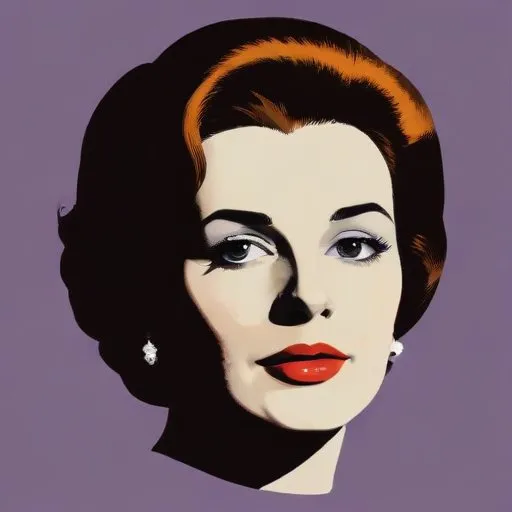
A prominent mistress of King Charles II, known for her beauty, cunning, and influence over the monarch, shaping English politics and history.
Barbara Palmer, 1st Duchess of Cleveland, is infamous for being the most notorious of the many mistresses of King Charles II of England, bearing him five children, all of whom were acknowledged and subsequently ennobled. Her tumultuous relationship with the king and her lavish lifestyle earned her a reputation as one of the most scandalous women of the Restoration era.
Born on November 27, 1640, as Barbara Villiers, she was the only child of the 2nd Viscount Grandison and his wife Mary Bayning. Tragedy struck early when her father died in 1643, leaving her mother and her in financial straits. Her mother remarried Charles Villiers, 2nd Earl of Anglesey, a cousin of her late husband.
After the execution of King Charles I in 1649, the Villiers family secretly transferred their loyalty to his son, Charles, Prince of Wales. Young Barbara, along with her family, would clandestinely celebrate the new king's birthday, drinking to his health in secrecy. It was during this period that Barbara's striking beauty and cunning nature began to make her a prominent figure in English society.
In 1659, Barbara married Roger Palmer, but the marriage was short-lived and tumultuous. It was during this time that she caught the eye of King Charles II, and their affair began. The king lavished her with gifts, titles, and wealth, earning her the nickname "The Uncrowned Queen." Her marriage to Palmer was eventually annulled in 1670, and she was created Duchess of Cleveland, Countess of Southampton, and Baroness Nonsuch.
Barbara was a patron of the arts, and her beauty inspired many portraits, including those by court painter Sir Peter Lely. Lely's portraits of Barbara are considered some of the most iconic of the Restoration era, capturing her stunning features and sensual allure.
Barbara Palmer, 1st Duchess of Cleveland, remains one of the most fascinating and scandalous figures of the Restoration era. Her tumultuous relationships, lavish lifestyle, and artistic patronage have captivated historians and the general public alike. Her legacy serves as a testament to the power and influence of women in a male-dominated society, as well as the enduring appeal of beauty, power, and scandal.
Barbara's cousin, Elizabeth Villiers, later Countess of Orkney, was also a prominent figure in English society, serving as the presumed mistress of King William III. While both women shared similar circumstances, Barbara's fiery personality and cunning nature set her apart from her cousin, earning her a more notorious reputation.
Born in 1650
A 17th-century actress and royal mistress, known for her beauty, wit, and influence on the English Restoration theatre, as well as her scandalous affair with the king.
Born in 1885
A pioneering figure in ragtime music, known for his unique blend of African-American musical traditions and European classical music styles, creating a distinctive sound that captivated audiences.
