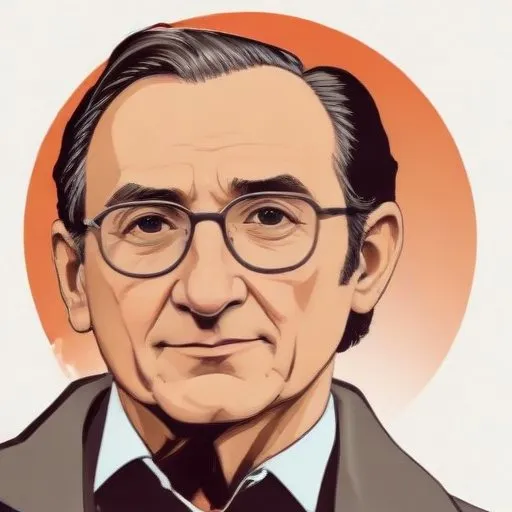
Barry Siegel: The Pulitzer Prize-Winning Journalist and Author
A Legacy of Investigative Journalism and Literary Excellence
Barry Siegel is renowned for his gripping narratives and in-depth investigations that have captivated readers for decades. Best known for his Pulitzer Prize-winning feature, "A Father's Pain, a Judge's Duty, and a Justice Beyond Their Reach," Siegel has established himself as a master of literary journalism.
Early Life and Education
Born on September 7, 1949, Siegel grew up with a passion for storytelling and a keen sense of observation. He honed his skills as a journalist and writer through his education, laying the foundation for his future successes.
Awards and Honors
Siegel's most notable achievement is his Pulitzer Prize for Feature Writing in 2002. This prestigious award recognized his outstanding work in "A Father's Pain, a Judge's Duty, and a Justice Beyond Their Reach," a heart-wrenching article that delved into the complexities of child abuse and the justice system.
Career Highlights and Major Works
In addition to his Pulitzer Prize-winning feature, Siegel has written several acclaimed books that showcase his expertise in literary journalism. Some of his notable works include:
- A Death in White Bear Lake, a true crime novel that sheds light on child abuse and its devastating consequences.
- Dreamers and Schemers: How an Improbable Bid for the 1932 Olympics Transformed Los Angeles from Dusty Outpost to Global Metropolis, a riveting account of Los Angeles' transformation into a global metropolis.
- Manifest Injustice: Claim of Privilege, A Mysterious Plane Crash, and a Landmark Supreme Court Case, and the Rise of State Secrets, a meticulous examination of a landmark Supreme Court case.
- After Snowden: Privacy, Secrecy, and Security in the Information Age, a co-authored book that delves into the complexities of privacy, secrecy, and security in the digital age.
Academic Pursuits and Literary Contributions
In 2003, Siegel was recruited by the University of California, Irvine to chair the school's new undergraduate degree program in literary journalism. This esteemed position allowed him to share his expertise with the next generation of journalists and writers, further solidifying his influence on the literary landscape.
Philosophical Contributions and Beliefs
Through his work, Siegel has consistently demonstrated a commitment to social justice, advocating for the voices of the marginalized and oppressed. His writing embodies a deep sense of empathy and compassion, inspiring readers to engage with complex social issues.
Personal Life and Milestones
Siegel currently resides in Sherman Oaks and Irvine, California, where he continues to write and teach. His dedication to his craft has earned him recognition as a prominent figure in the world of literary journalism.
Legacy and Impact
Barry Siegel's remarkable body of work has left an indelible mark on the world of journalism and literature. His commitment to truth-telling, social justice, and literary excellence has inspired countless readers and writers, cementing his place as a luminary in his field.
FAQ
What is Barry Siegels most notable work as a journalist?
Barry Siegel is best known for his Pulitzer Prize-winning article A Fathers Pain, a Judges Duty which explored the story of a judge who presided over a case involving his own son.
Where did Barry Siegel teach journalism?
Barry Siegel taught journalism at the University of California, Irvine, and was the director of the universitys Literary Journalism Program.
What award did Barry Siegel win for his journalism?
Barry Siegel won the Pulitzer Prize for Feature Writing in 2002 for his article A Fathers Pain, a Judges Duty.
What is Barry Siegels approach to literary journalism?
Barry Siegel is known for his lyrical and introspective approach to literary journalism, which blends traditional reporting with literary techniques.
What is Barry Siegels most recent work?
Barry Siegel has continued to write and teach, and his most recent work includes articles and essays on a range of topics, from politics to culture.