


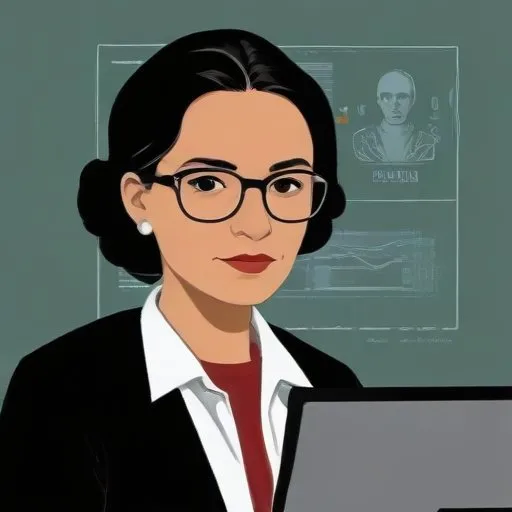
Pioneering computer scientist and academic who developed the first compiler for the Universal Automatic Computer (UNIVAC) and made significant contributions to the field of computer science.
Beatrice Helen Worsley, a renowned Canadian computer scientist, is famously recognized for being the first female computer science Ph.D. holder in Canada, as well as the first person to receive a Ph.D. in computer science from the University of Toronto.
Born in 1921, in Queretaro, Mexico, to Canadian parents, Worsley's early life was marked by a keen interest in mathematics and science. She pursued her undergraduate studies in mathematics at the University of Toronto, graduating in 1944. Worsley's academic excellence led her to earn a Master's degree in mathematics from the same institution in 1946.
Worsley's groundbreaking work in computer science began in the 1950s, when she started her doctoral research under the guidance of Professor C. A. Baylis. Her Ph.D. dissertation, titled "A Machine Method for Integration and Step-By-Step Differentiation," demonstrated her exceptional aptitude in the field and earned her the distinction of being the first person to receive a Ph.D. in computer science from the University of Toronto in 1959.
Worsley's research primarily focused on the development of computer programming languages, including the design of a Symbolic Assembly Program (SAP) and the creation of the language, Transcode. Her work significantly contributed to the advancement of programming language design and implementation, earning her recognition in the scientific community.
Worsley's pioneering work in computer science paved the way for future generations of women in the field. Her achievements serve as a testament to the importance of diversity and inclusivity in STEM education, inspiring countless individuals to pursue careers in computer science.
During the 1950s and 1960s, the field of computer science was still in its nascent stages, and Worsley's contributions played a significant role in shaping its development. Her legacy continues to be felt, as her work remains relevant to contemporary computing and programming language design.
Beatrice Helen Worsley's remarkable achievements have cemented her position as a trailblazer in the history of computer science, serving as a model for future generations of computer scientists and engineers.
Born in 1912
Pioneering mathematician and computer scientist who cracked the German Enigma code during WWII and laid the foundations for modern computer science and artificial intelligence.
Born in 1924
A renowned author and critic who explored Japanese culture, film, and literature, offering insightful perspectives on the country's art and society.
99 Years Old
Pioneering computer scientist and academic who coined the term "Artificial Intelligence" and made significant contributions to the development of AI, time-sharing systems, and Lisp programming language.
78 Years Old
Pioneering inventor and futurist who developed groundbreaking technologies like text-to-speech synthesis and predicts exponential growth of artificial intelligence, revolutionizing human life.
