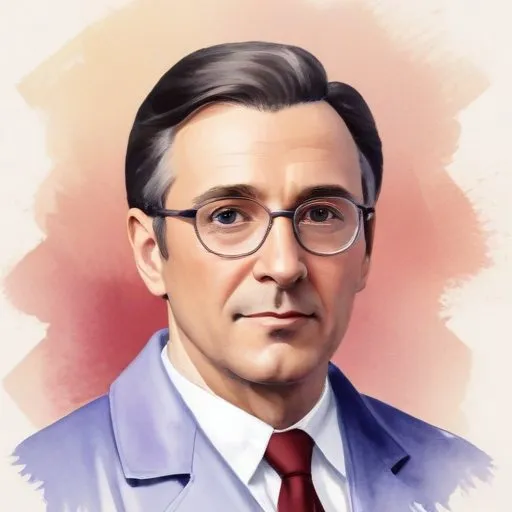
Bernard Babior: A Pioneering Research Biochemist
Pioneering Contributions to Biochemistry and Medicine
Bernard Babior, a renowned American physician and research biochemist, is best known for his groundbreaking work on the role of free radicals in biological processes, particularly in the context of chronic granulomatous disease. Through his research, Babior demonstrated that the highly reactive oxygen derivative, superoxide, is produced by white blood cell NADPH oxidase as a mechanism to kill invading bacteria, shedding light on the etiology of this rare genetic immunodeficiency disease.
Early Life and Education
Born on November 10, 1935, in Los Angeles, California, Babior pursued his M.D. degree at the University of California, San Francisco. Following his internship at Peter Bent Brigham Hospital, he joined the laboratory of Konrad Bloch at Harvard University, where he was awarded a Ph.D. degree in 1965. Babior further honed his skills at The National Institutes of Health, Harvard University, and Tufts University.
Research Career and Contributions
Babior's research career was marked by significant milestones, including his recognition of the importance of free radicals in biological processes. His work on NADPH oxidase and superoxide production led to a deeper understanding of the mechanisms underlying chronic granulomatous disease. Furthermore, Babior's research demonstrated that the same mechanisms that protect the body against microbial invasion can also contribute to various diseases, such as arthritis, arteriosclerosis, and Alzheimer's disease.
Awards and Honors
Babior's contributions to the field of biochemistry and medicine were recognized through numerous honors and awards, including:
- Membership in the American Society for Clinical Investigation
- Fellowship in the American Association for the Advancement of Science
- Election to the National Academy of Sciences in 1999, a rare distinction for a practicing physician
- Fellowship in the American Academy of Arts and Sciences, also in 1999
Editorial Contributions and Legacy
Babior served on the editorial boards of several prestigious academic journals, including the Journal of Clinical Investigation, Blood, and the Journal of Biological Chemistry. Throughout his career, he published over 250 scientific papers, leaving a lasting impact on the scientific community.
Historical Context and Legacy
Babior's work has had a profound impact on our understanding of biological processes and the role of free radicals in disease. His research has paved the way for further investigation into the mechanisms underlying chronic granulomatous disease and other related conditions. As a pioneering research biochemist, Babior's contributions continue to influence the field of biochemistry and medicine, inspiring future generations of scientists and researchers.
Personal Milestones and Key Life Events
Babior's personal milestones include his move to California in 1986, where he became a staff physician at Scripps Clinic and Head of the Division of Biochemistry at The Scripps Research Institute. Throughout his life, he remained dedicated to his research and contributed significantly to the advancement of biochemistry and medicine. Bernard Babior passed away on June 29, 2004, leaving behind a legacy of groundbreaking research and a profound impact on the scientific community.
FAQ
What is Bernard Babiors background in biochemistry?
Bernard Babior is an American physician and biochemist with a strong background in biochemistry, having made significant contributions to the field of biochemistry and medicine.
What are Bernard Babiors most notable discoveries in biochemistry?
Bernard Babiors most notable discoveries in biochemistry include the discovery of the enzyme NADPH oxidase and its role in the production of reactive oxygen species.
What is Bernard Babiors research focus in biochemistry?
Bernard Babiors research focus in biochemistry is on the areas of reactive oxygen species, antioxidants, and redox biology, among others.
What is Bernard Babiors legacy in American biochemistry?
Bernard Babiors legacy in American biochemistry is one of groundbreaking research and academic excellence, inspiring future generations of biochemists to follow in his footsteps.
What awards has Bernard Babior received for his work?
Bernard Babior has received several awards and honors for his work, including the National Medal of Science and election to the National Academy of Sciences.