


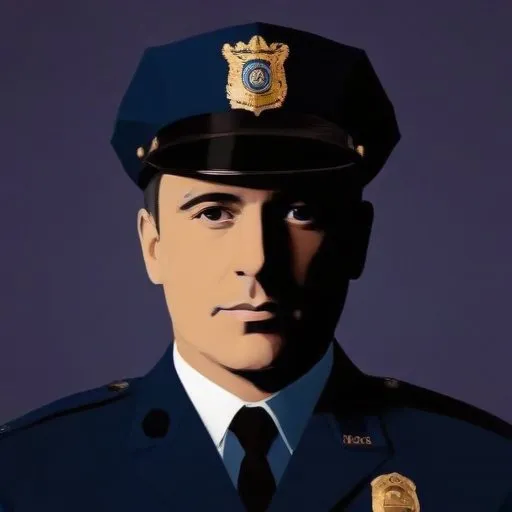
A pioneering African American police officer who rose through the ranks to become the Chief of the Los Angeles Police Department, known for his efforts to reform the department and improve community relations.
Bernard C. Parks, a pioneering figure in American law enforcement and politics, is best known for serving as the Chief of the Los Angeles Police Department (LAPD) from 1997 to 2002 and later, as a member of the Los Angeles City Council representing the 8th district in South Los Angeles from 2003 to 2015.
As a prominent Democrat, Parks' career has been marked by significant milestones, controversies, and contributions to the fields of law enforcement, politics, and public administration.
Born on December 7, 1943, Parks graduated from Daniel Murphy High School and attended Los Angeles City College. He earned a Bachelor's degree from Pepperdine University and a Master's degree in public administration from the University of Southern California.
Parks' tenure as LAPD Chief was marred by the infamous Rampart scandal, which involved corruption and police brutality within the department's elite C.R.A.S.H. antigang unit. The scandal led to his ousting as police chief in 2002. Despite this setback, Parks went on to win a seat on the Los Angeles City Council in 2003, representing the 8th district in South Los Angeles.
Throughout his career, Parks has received various awards and honors, including recognition for his contributions to law enforcement and community service.
Parks' career has been dogged by controversy, including allegations of police brutality and corruption during his tenure as LAPD Chief. His ousting as chief was seen as a significant blow to his reputation, and his subsequent political campaigns were marked by mixed results.
Term limits forced Parks out of the city council office in 2015, marking the end of his 12-year tenure. Marqueece Harris-Dawson won the District 8 election, replacing Parks on July 1, 2015.
Bernard C. Parks' legacy is a complex one, marked by both significant contributions to law enforcement and politics and controversies that marred his career. Despite this, his impact on the fields of public administration and law enforcement remains significant, serving as a testament to his enduring influence on modern society.
99 Years Old
Creator of the D.A.R.E. Program, a widely implemented anti-drug education initiative aimed at school children, which became a cultural phenomenon in the 80s and 90s.
61 Years Old
African American man brutally beaten by Los Angeles police officers in 1991, sparking widespread protests and calls for police reform. The incident was caught on video, making it a catalyst for the national conversation on racial profiling and police brutality.
79 Years Old
A charismatic athlete-turned-actor who became infamous for a highly publicized murder trial and acquittal, later convicted of armed robbery. He's a household name synonymous with scandal and controversy.
Born in 1925
A Navy officer, lawyer, and politician who served as US Attorney General, playing a key role in the Civil Rights Movement and advocating for social justice. He was a prominent figure in American politics during the 1960s.
Born in 1891
The 14th Chief Justice of the United States, a jurist and politician who led the Supreme Court through a transformative era of civil rights and social change, issuing landmark rulings like Brown v. Board of Education.
