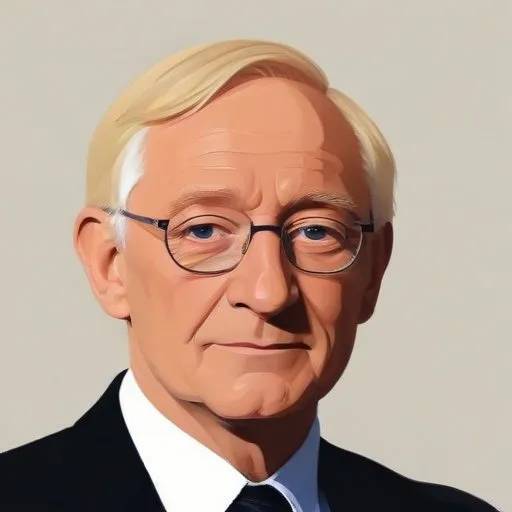
Bill Rowling: The Leader Who Shaped New Zealand's Political Landscape
A Legacy of Leadership
Bill Rowling, the 30th Prime Minister of New Zealand, left an indelible mark on the country's political history. From 1974 to 1975, he led the Labour Party, navigating the nation through tumultuous times and implementing policies that would shape the country's future.
Early Life and Education
Born on November 15, 1927, in a rural suburb of Motueka, near Nelson, Bill Rowling grew up in a farming family with strong ties to the Labour Party. His father, Arthur Rowling, was the chairman of the Motueka Labour Representation Committee, and prominent Labour politicians, including
Michael Joseph Savage and
Peter Fraser, would often visit their home. This exposure instilled in Bill a strong sense of social responsibility and political awareness. He attended Nelson College and later went on to earn a master's degree in economics from the University of Canterbury.
A Career in Politics
Bill Rowling's foray into politics began in 1962, when he won the Buller byelection and became a Member of Parliament. He quickly rose through the Labour Party's internal hierarchy, becoming Party President from 1970 to 1973. As Minister of Finance from 1972 to 1974, he played a crucial role in shaping the country's economic policies.
A Tenure Marked by Challenges
After the sudden death of Prime Minister
Norman Kirk, Bill Rowling took the reins of the Labour Party in 1974. His government faced numerous challenges, including an economic downturn and rising unemployment. Despite these obstacles, Rowling remained committed to his party's ideals, implementing policies aimed at reducing poverty and promoting social justice.
Loss and Legacy
The National Party's upset victory in the 1975 general election marked the end of Rowling's tenure as Prime Minister. He continued to lead the Labour Party, but failed to win the next two general elections. Upon retiring from politics in 1983, he was knighted for his services to New Zealand.
A New Chapter: Diplomacy and Education
Bill Rowling's post-politics career was marked by his appointment as Ambassador to the United States from 1985 to 1988. He also remained committed to education, working as a professor at the University of Canterbury.
Impact on Modern Society
Bill Rowling's legacy extends far beyond his time in office. His commitment to social justice and economic reform helped shape New Zealand's political landscape. He remains an influential figure, inspiring future generations of politicians and policymakers.
Personal Milestones and Key Life Events
- 1939: Attempted to enlist in the New Zealand Army to serve in J Force during the occupation of Japan, but was prevented due to being under 18.
- 1954: Earned a master's degree in economics from the University of Canterbury.
- 1962: Won the Buller byelection and became a Member of Parliament.
- 1970-1973: Served as Party President of the Labour Party.
- 1974-1975: Served as Prime Minister of New Zealand.
- 1983: Retired from politics and was knighted.
- 1985-1988: Served as Ambassador to the United States.
Controversies and Public Perception
Throughout his career, Bill Rowling faced criticism for his government's handling of the economy and its response to the 1973 oil crisis. However, his commitment to social justice and his unwavering dedication to his party's ideals have cemented his place as one of New Zealand's most respected politicians.
A Lasting Legacy
Bill Rowling's life was a testament to his unwavering commitment to public service and his passion for creating a more just and equitable society. His legacy continues to inspire future generations, and his impact on New Zealand's political landscape will be felt for years to come.
FAQ
What were Bill Rowlings key accomplishments as Prime Minister of New Zealand?
During his tenure as Prime Minister from 1974 to 1975, Bill Rowling implemented several major reforms, including the introduction of a national superannuation scheme and significant changes to the countrys taxation system.
How did Bill Rowlings experience shape his political views?
Bill Rowlings background as a teacher and trade unionist influenced his political views, which emphasized social justice, equality, and workers rights.
What were Bill Rowlings views on economic development?
Bill Rowling believed in a mixed economy, where the government played a role in regulating industries and providing essential services, while also promoting private enterprise and innovation.
How did Bill Rowling approach foreign policy?
Bill Rowling was a strong supporter of New Zealands independence and sovereignty, and he played a key role in shaping the countrys foreign policy, particularly in relation to its Pacific neighbors.
What legacy did Bill Rowling leave behind?
Bill Rowlings legacy is marked by his commitment to social justice, his pragmatic approach to governance, and his role in shaping New Zealands economic and foreign policy directions.