


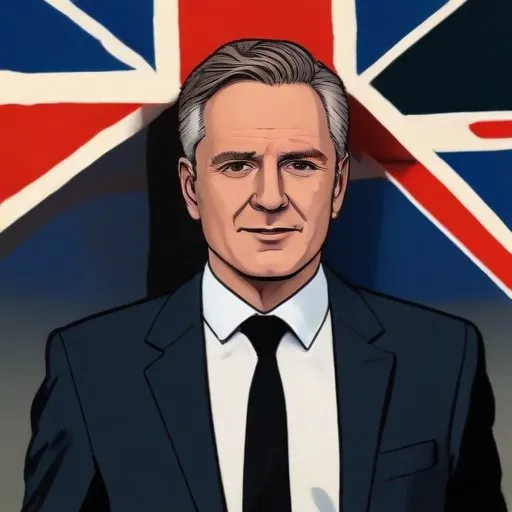
Scottish-New Zealand journalist and politician who served as the 24th Prime Minister of New Zealand, leading the country through significant social and economic reforms. He's known for his progressive policies and strong leadership during wartime.
Peter Fraser is remembered as one of New Zealand's most influential politicians, serving as the country's 24th Prime Minister from 1940 to 1949 and leading the nation through the tumultuous years of World War II. With a tenure spanning over nine years, he remains the longest-serving Labour Prime Minister in New Zealand's history.
Born on August 28, 1884, in the Scottish Highlands, Fraser was forced to leave education early to support his family. He later moved to London in 1908, where he joined the Independent Labour Party. However, unemployment led him to emigrate to New Zealand in 1910, seeking better opportunities.
In Auckland, Fraser found work as a wharfie and became involved in union politics, joining the New Zealand Socialist Party. His involvement in the labour movement led to his participation in the foundation of the unified Labour Party in 1916. During World War I, Fraser was imprisoned for a year for speaking out against conscription, a move that would later solidify his stance as a champion of social reform.
In 1918, Fraser won a Wellington byelection and entered the House of Representatives, marking the beginning of his political career. He became a cabinet minister in 1935, serving under Michael Joseph Savage, and held several portfolios, including Education and Health.
As Minister of Health, Fraser introduced the Social Security Act 1938, which established a universal healthcare service in New Zealand. This landmark legislation cemented his reputation as a champion of social reform and improved the lives of countless New Zealanders.
Following Savage's death in 1940, Fraser became the Leader of the Labour Party and Prime Minister of New Zealand. During World War II, he played a crucial role in mobilizing the nation's resources, supplies, and volunteers to support Britain. Under his leadership, New Zealand's economy flourished, and home front morale remained high.
Fraser's wartime efforts were marked by his ability to form a war cabinet that included political opponents, demonstrating his commitment to national unity. Although Labour suffered significant losses in the 1943 election, Fraser's leadership ensured the party retained its majority.
After the war, Fraser played an active role in Commonwealth affairs, increasing New Zealand's international stature and solidifying its position on the global stage. His diplomatic efforts helped shape the country's foreign policy, paving the way for future generations of leaders.
Peter Fraser's legacy is one of devoted public service, social reform, and leadership during times of crisis. His contributions to New Zealand's development, both domestically and internationally, have secured his place as one of the nation's most revered politicians.
Peter Fraser's remarkable journey from humble beginnings to becoming New Zealand's longest-serving Labour Prime Minister serves as a testament to his dedication, perseverance, and vision for a better society.
Born in 1872
A pioneering politician who championed social welfare and unity, leading New Zealand through the Great Depression and World War II, implementing groundbreaking reforms and earning a revered legacy.
Born in 1884
Scottish-New Zealand journalist and politician who served as the 24th Prime Minister of New Zealand, leading the country through significant social and economic reforms. He's known for his progressive policies and strong leadership during wartime.
Born in 1882
A lawyer-turned-politician who served as New Zealand's Prime Minister, implementing significant economic and social reforms, including the establishment of the country's welfare state.
Born in 1904
A farmer-turned-politician who served as Prime Minister of New Zealand, known for his leadership during a period of significant economic and social change. He's remembered for his pragmatic and consensus-driven approach to governance.
Born in 1923
A pioneering leader who championed social justice and environmental causes, serving as New Zealand's Prime Minister from 1972 to 1974. He's revered for his progressive policies and commitment to Maori rights.
98 Years Old
The 30th Prime Minister of New Zealand, serving from 1974 to 1975, known for his brief but significant tenure during a time of economic crisis and social change.
74 Years Old
A renowned cancer researcher and professor who made significant contributions to the understanding and treatment of cancer, particularly in the field of p53 tumor suppressor gene.
91 Years Old
The 35th Prime Minister of New Zealand, serving from 1990 to 1997, known for leading the country through significant economic reforms and free trade agreements. He's also recognized for his role in shaping New Zealand's modern economy.
