


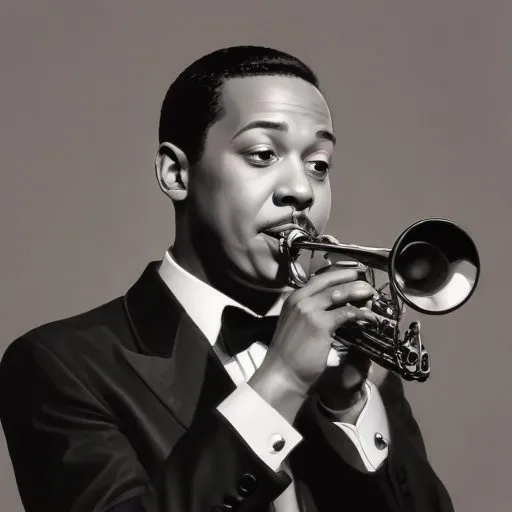
A velvety-voiced singer and trumpet player who helped popularize jazz and blues, known for his smooth, soulful sound and hits like "Misty" and "My Foolish Heart".
Billy Eckstine, a legendary American jazz and pop singer, and bandleader, is best known for his rich, almost operatic bass-baritone voice that mesmerized audiences during the swing and bebop eras. With a career spanning over five decades, Eckstine's smooth, velvety tone and charismatic stage presence made him a household name, earning him the nickname "Mr. B."
Born on July 8, 1914, in Pittsburgh, Pennsylvania, Eckstine was the son of a chauffeur and a seamstress. His paternal grandparents, William F. Eckstein and Nannie Eckstein, were a mixed-race couple who lived in Washington, D.C. Eckstine's early life was marked by a strong educational foundation, attending Peabody High School in Pittsburgh, where he was classmates with notable alumni such as Gene Kelly and Romare Bearden.
Eckstine's music career began in 1933, after winning first place in an amateur talent contest at Washington's Howard Theatre. He joined Earl Hines' Grand Terrace Orchestra in 1939 as a vocalist and trumpeter, performing alongside other jazz greats such as Dizzy Gillespie and Charlie Parker. Eckstine's stint with Hines' orchestra lasted until 1943, after which he formed his own band, becoming one of the first African American bandleaders of a major swing band.
Eckstine's impact on the jazz scene was immense. His smooth, soulful voice and elegant stage presence influenced a generation of singers, including Earl Coleman, Johnny Hartman, Joe Williams, Arthur Prysock, and Lou Rawls. His recording of "I Apologize" (MGM, 1951) earned him a Grammy Hall of Fame Award in 1999, and he was posthumously awarded the Grammy Lifetime Achievement Award in 2019.
Eckstine's music was not only a reflection of his artistic talent but also a testament to his strong sense of social justice. He was a vocal advocate for racial equality and used his platform to promote unity and understanding between different cultures.
Billy Eckstine's legacy extends beyond the jazz community. His music and style have influenced generations of musicians, from Frank Sinatra to Prince. His impact on popular culture is evident in the many tributes and homages paid to him by artists across genres.
Billy Eckstine's remarkable life and career are a testament to his dedication to his craft and his unwavering commitment to promoting unity and understanding through music. His legacy continues to inspire and influence new generations of musicians and music lovers alike.
Born in 1917
A virtuosic trumpet player and composer who revolutionized jazz with his lightning-fast solos and iconic puffy cheeks, creating a new language for the instrument. He's synonymous with bebop and modern jazz.
Born in 1920
A pioneering jazz saxophonist and composer, known for his lightning-fast solos and innovative bebop style that revolutionized jazz music. 82
Born in 1917
A jazz legend who revolutionized piano playing and composition with unorthodox techniques and harmonies, creating a unique, improvisational style that continues to inspire generations of musicians.
Born in 1926
A legendary jazz musician who revolutionized the genre with his improvisational style and iconic albums like "Kind of Blue". He's synonymous with cool, jazzy sophistication.
Born in 1926
A legendary jazz saxophonist and composer who revolutionized the genre with his innovative, spiritually-driven improvisations and iconic albums like "A Love Supreme".
Born in 1917
A virtuosic jazz vocalist known for her pure, expressive tone, impeccable phrasing, and incredible scat singing abilities. She won 13 Grammy Awards and recorded over 200 albums.
Born in 1901
A legendary jazz musician who revolutionized the genre with his unique trumpet playing and raspy vocals, leaving an indelible mark on American music.
Born in 1904
A legendary jazz pianist and bandleader who led a iconic orchestra, blending swing and blues to create a unique sound that influenced generations of musicians. Known for his distinctive "less-is-more" style and hits like "April in Paris" and "One O'Clock Jump".
