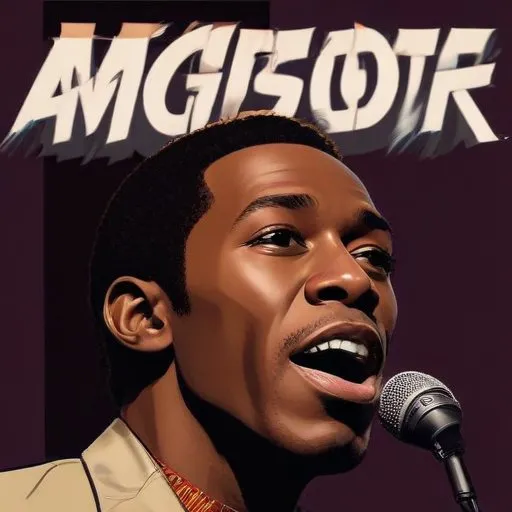
Bobby Hebb: The Soulful Singer-Songwriter Behind the Timeless Hit "Sunny"
Rise to Fame with a Ray of Sunshine
Bobby Hebb, the American R&B and soul singer-songwriter, is best known for his 1966 hit single "Sunny," a song that has become a timeless classic, transcending generations and music genres. With its optimistic vibe and catchy melody, "Sunny" peaked at No. 2 on the Billboard Hot 100 chart, solidifying Hebb's place in the music industry.
Early Life and Musical Beginnings
Born Robert Alvin Von Hebb on July 26, 1938, in Nashville, Tennessee, Bobby Hebb grew up in a musical family. His parents, William and Ovalla Hebb, were both blind musicians who encouraged their sons to pursue music from a young age. Bobby and his older brother, Harold, formed a song-and-dance team, performing in Nashville and eventually catching the attention of country music legend
Roy Acuff. Hebb went on to play spoons and other instruments in Acuff's band.
Brotherly Love and Tragedy
Tragedy struck on November 23, 1963, when Bobby's brother Harold was killed in a knife fight outside a Nashville nightclub, just a day after the assassination of President
John F. Kennedy. Hebb was devastated by the loss of his brother and the shock of the nation. He found solace in songwriting, pouring his emotions into his music.
The Birth of "Sunny"
Contrary to popular belief, Hebb didn't write "Sunny" specifically about his brother's passing or the Kennedy assassination. Instead, he aimed to create a song that would bring people together and offer a glimmer of hope during a tumultuous time. Hebb drew inspiration from the
Gerald Wilson album "You Better Believe It!" and sought to craft a song that would be a "different approach" to the themes explored in Johnny Ray's "Just Walkin' in the Rain." The result was "Sunny," a song that would go on to become an iconic hit.
Awards and Accolades
"Sunny" was recorded in New York City and released as a single in 1966. The song's success was swift, reaching No. 2 on the Billboard Hot 100 chart, No. 3 on the R&B charts, and No. 12 in the United Kingdom. Hebb's tour with The Beatles in 1966 saw "Sunny" outperforming any Beatles song on the Billboard Hot 100 chart at the time.
Legacy and Impact
Bobby Hebb's contribution to music extends beyond his hit single. He played a significant role in bridging the gap between R&B, soul, and pop music, paving the way for future generations of musicians. "Sunny" has been covered by numerous artists, including Boney M,
Andy Williams, and Cher, and has been featured in various films, TV shows, and commercials.
Personal Life and Later Years
Hebb continued to perform and record music throughout his life, though he never quite reached the same level of success as he did with "Sunny." He passed away on August 3, 2010, leaving behind a legacy that continues to inspire and uplift audiences to this day.
Trivia and Fun Facts
- Bobby Hebb sang backup on Bo Diddley's "Diddley Daddy."
- Hebb replaced Mickey Baker in Mickey and Sylvia.
- Hebb played trumpet in a United States Navy jazz band.
Bobby Hebb's story serves as a testament to the power of music to heal, inspire, and bring people together. His timeless classic "Sunny" remains an integral part of our collective cultural heritage, a ray of sunshine that continues to brighten our days.