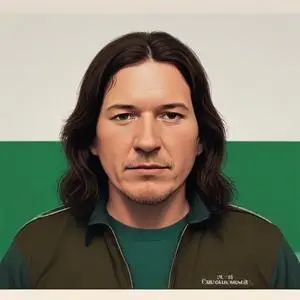
Bobby Sands: The Hunger Striker Who Became a Symbol of Irish Republicanism
A Leader in the Fight for Irish Independence
Bobby Sands was a member of the Provisional Irish Republican Army (IRA) who died on hunger strike in 1981 while imprisoned at HM Prison Maze in Northern Ireland. He is known for leading the 1981 hunger strike, in which Irish republican prisoners protested against the removal of Special Category Status, and for being elected to the British Parliament as an Anti H-Block candidate during his strike.
Early Life and Activism
Born on March 9, 1954, in Dunmurry, Northern Ireland, Sands grew up in a Catholic family that experienced harassment and intimidation from their neighbors. His family was forced to abandon their home and relocate to a nearby development, where Sands developed a strong sense of community and social justice. He became involved in the Irish republican movement at a young age, inspired by the civil rights movement and the struggle for Irish independence.
The Hunger Strike and International Attention
In 1981, Sands led a hunger strike of Irish republican prisoners, protesting the removal of Special Category Status, which had previously given prisoners the same rights as prisoners of war. The strike lasted for 66 days, during which time Sands was elected to the British Parliament as an Anti H-Block candidate. The hunger strike drew international attention, with many around the world condemning the British government's treatment of Irish prisoners. Sands' death, along with that of nine other hunger strikers, sparked a surge in IRA recruitment and activity, and cemented Sands' status as a symbol of Irish republicanism.
Philosophical Contributions and Beliefs
Sands' writings and statements during his hunger strike reveal a deep commitment to Irish republicanism and a strong sense of social justice. He believed that the struggle for Irish independence was not only a political fight, but also a moral and spiritual one. Sands saw himself as part of a long tradition of Irish republicans who had fought for independence and self-determination.
Personal Milestones and Key Life Events
- March 9, 1954: Born in Dunmurry, Northern Ireland
- 1976: Involved in the Balmoral Furniture Company bombing, which led to his arrest and imprisonment
- 1981: Led the hunger strike of Irish republican prisoners
- April 9, 1981: Elected to the British Parliament as an Anti H-Block candidate
- May 5, 1981: Died on hunger strike at HM Prison Maze
Influence on Modern Society
Sands' legacy extends far beyond his own life and death. He inspired a generation of Irish republicans and social justice activists around the world. His hunger strike and subsequent death drew international attention to the plight of Irish prisoners and the struggle for Irish independence. Sands' sacrifice has also inspired numerous works of art, literature, and music.
Quotes and Memorable Sayings
- "Our revenge will be the laughter of our children."
- "I am standing on the threshold of another trembling world. May God have mercy on my soul."
Historical Context and Legacy
Sands' life and death must be understood within the context of the Troubles, a period of sectarian violence and political unrest that lasted from the late 1960s to the late 1990s. His sacrifice was part of a long tradition of Irish republicanism, and his legacy continues to inspire and motivate social justice activists today.
Comparative Analysis with Contemporaries
Sands' activism and sacrifice can be compared to that of other Irish republicans, such as
Patrick Pearse and
James Connolly, who also gave their lives in the fight for Irish independence. Like these figures, Sands was driven by a deep sense of patriotism and a commitment to social justice.
Personal Relationships and Anecdotes
Sands' family played a significant role in his life and activism. His parents, John and Rosaleen Sands, were both strong supporters of the Irish republican movement, and Sands' sisters, Marcella and Bernadette, were also involved in the movement.
Impact on Pop Culture
Sands' life and death have inspired numerous works of art, literature, and music, including songs by U2, The Cranberries, and
Christy Moore. His legacy continues to inspire artists and musicians today.
Awards and Honors
Sands' sacrifice was recognized by the Irish government, which awarded him the Irish Republic Medal in 1981. He was also posthumously awarded the honorary degree of Doctor of Laws by the University of
Gerry Adams in 2001.
Educational Contributions and Influence
Sands' writings and statements during his hunger strike have been widely studied and analyzed by scholars and activists around the world. His legacy has inspired numerous educational initiatives and programs focused on social justice and human rights.
Scandals and Redemption Stories
Sands' death was met with international condemnation, with many around the world criticizing the British government's treatment of Irish prisoners. The scandal surrounding his death led to increased scrutiny of the British government's human rights record, and ultimately contributed to the implementation of reforms aimed at improving the treatment of prisoners.
Visual Timelines and Milestones
- 1954: Born in Dunmurry, Northern Ireland
- 1961: Family forced to abandon home due to harassment and intimidation
- 1976: Involved in Balmoral Furniture Company bombing
- 1981: Led hunger strike of Irish republican prisoners
- 1981: Elected to British Parliament as Anti H-Block candidate
- 1981: Died on hunger strike at HM Prison Maze
Inspirational Stories and Motivations
Sands' sacrifice has inspired countless individuals around the world to take action in the fight for social justice. His legacy serves as a powerful reminder of the importance of standing up for what is right, even in the face of overwhelming opposition.
Predictions and Speculations
It is impossible to predict with certainty what Sands would have achieved if he had lived. However, it is clear that he would have continued to play a leading role in the Irish republican movement, and would have remained a powerful voice for social justice and human rights.