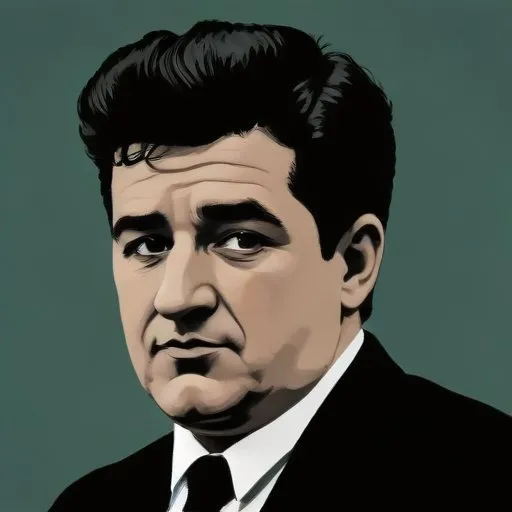
Brendan Behan: The Rebel Poet and Playwright
A Life of Literary Genius and Turbulence
Brendan Behan, the Irish poet, novelist, and playwright, is best known for his provocative works that often blurred the lines between literature and politics. With a life marked by rebellion, activism, and a tumultuous struggle with addiction, Behan's writing continues to be celebrated for its raw emotion, wit, and unflinching honesty.
A Childhood Steeped in Irish Heritage
Born on February 9, 1923, in Dublin, Ireland, Behan was raised in a staunchly republican family that instilled in him a deep love for Irish history and culture. His home was filled with literature and patriotic ballads, which would later influence his writing. At the tender age of 14, Behan joined the Fianna Éireann, the Irish Republican Army's youth organization, setting him on a path of activism and creative expression.
Imprisonment and Self-Discovery
In 1942, Behan was sentenced to three years in a borstal youth prison in the United Kingdom for his involvement with the IRA. It was during this time that he began to study and became a fluent speaker of the Irish language. His experiences in prison would later inform his writing, particularly in his first play,
The Quare Fellow.
Rise to Literary Prominence
Behan's breakthrough came in 1954 with the production of
The Quare Fellow in Dublin. Although well-received, it was the 1956 production at
Joan Littlewood's Theatre Workshop in Stratford, London, that catapulted him to fame. A notorious drunken interview with
Malcolm Muggeridge on BBC television only added to his notoriety.
Major Works and Adaptations
- The Quare Fellow (1954): A play that explores the complexities of prison life and the human condition.
- An Giall (1958): A play written in Irish, which was later adapted into The Hostage, met with international acclaim.
- Borstal Boy (1958): An autobiographical novel that recounts Behan's experiences in a borstal youth prison.
A Turbulent Life and Legacy
Behan's life was marked by struggles with addiction, which ultimately contributed to his premature death on March 20, 1964. Despite his personal demons, Behan's work continues to inspire generations of writers, poets, and playwrights. His legacy serves as a testament to the power of creative expression and the importance of staying true to one's artistic vision.
Controversies and Public Perception
In recent years, allegations of sexual misconduct have surfaced, tarnishing Behan's legacy. However, it is essential to acknowledge the complexities of his life and work, recognizing both the genius and the flaws that defined him.
Quotes and Memorable Sayings
"I have a total irreverence for anything connected with society except that which makes the roads safer, the beer stronger, the food cheaper, and the old men and old women warmer in the winter and happier in the summer." – Brendan Behan
FAQ
What was Brendan Behans early life like?
Brendan Behan was born on February 9, 1923, in Dublin, Ireland. He grew up in a family of modest means and developed a passion for writing and storytelling.
What was Brendan Behans writing career like?
Behan was a prolific writer who produced several plays, novels, and poems. His most famous work is the play The Hostage, which premiered in 1958.
What was Brendan Behans personal life like?
Behan was known for his love of drinking and his larger-than-life personality. He was a popular figure in Dublins literary circles and was friends with many prominent writers and artists.
What awards and honors did Brendan Behan receive?
Behan received several awards for his writing, including the Evening Standard Theatre Award for Best Play for The Hostage.
What was Brendan Behans legacy?
Behans legacy is one of creativity and originality. He was a true Irish original who brought a unique voice to the world of literature.