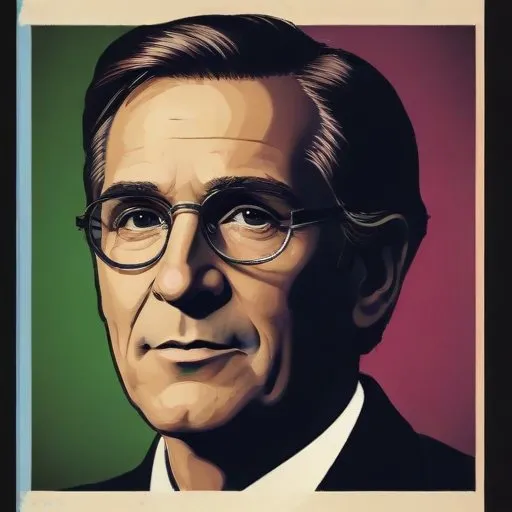
Bruce Catton: The Pioneering Historian Who Brought the American Civil War to Life
A Masterful Storyteller of the Civil War Era
Bruce Catton is renowned for his captivating historical accounts of the American Civil War, earning him the reputation as one of the most beloved and respected historians of his time. His meticulously researched works, infused with vivid storytelling and memorable characters, have captivated readers for generations, making him a household name in the world of historical non-fiction.
Early Life and Inspiration
Born on October 9, 1899, in Petoskey, Michigan, Catton grew up in Benzonia, Michigan, where his father, George R. Catton, a Congregationalist minister, shared tales of the Civil War with his family. These stories, recounted by aged veterans, left an indelible mark on the young Catton, sparking a lifelong passion for understanding the complexities of the human experience during wartime.
Journalism Career and Early Writing
After attending Oberlin College, Catton served briefly in the United States Navy during World War I. He then began his journalism career as a reporter and editor for various newspapers, including The Cleveland News, the Boston American, and The Plain Dealer. During this time, he honed his writing skills, eventually joining the Newspaper Enterprise Association, a Scripps-Howard syndicate, where he worked from 1926 to 1941.
Rise to Prominence: The Army of the Potomac Trilogy
Catton's historical writing career truly took off with the publication of his Army of the Potomac trilogy, consisting of
Mr. Lincoln's Army (1951),
Glory Road (1952), and
A Stillness at Appomattox (1953). This trilogy cemented his reputation as a masterful narrative historian, earning him the Pulitzer Prize for History and the National Book Award for Nonfiction in 1954.
Historical Contributions and Legacy
Throughout his career, Catton's work has been characterized by meticulous research, engaging storytelling, and a deep understanding of the human experience during times of war. His contributions to the field of historical non-fiction have inspired generations of historians, writers, and readers alike. Today, his work remains a testament to the power of storytelling in understanding and learning from the past.
Notable Works and Awards
- A Stillness at Appomattox (1953) - Pulitzer Prize for History and National Book Award for Nonfiction
- Mr. Lincoln's Army (1951) - First volume of the Army of the Potomac trilogy
- Glory Road (1952) - Second volume of the Army of the Potomac trilogy
- Waiting for the Morning Train (1972) - Memoir
Personal Life and Later Years
Catton passed away on August 28, 1978, leaving behind a legacy of captivating historical accounts that continue to captivate readers to this day. His personal life, marked by a deep love for his family and a passion for storytelling, serves as a testament to the power of dedication and hard work.
Impact on Modern Society
Bruce Catton's work has not only shaped our understanding of the American Civil War but has also inspired a deeper appreciation for the importance of preserving historical memory. His legacy continues to influence historians, writers, and educators, ensuring that the lessons of the past remain relevant and accessible to future generations.
FAQ
What is Bruce Cattons significance in American historiography?
Bruce Catton is considered one of the most important American historians of the 20th century. He is known for his comprehensive and engaging accounts of the American Civil War.
What are Bruce Cattons most notable writings?
Catton wrote several influential books on the American Civil War, including the Centennial History of the Civil War trilogy and A Stillness at Appomattox. He also wrote The Army of the Potomac and U.S. Grant and the American Military Tradition.
What was Bruce Cattons approach to historical writing?
Catton was known for his narrative style, which made history accessible and engaging to a wide range of readers. He focused on the human aspects of historical events, rather than just the facts and figures.
What awards did Bruce Catton receive for his writing?
Catton received the Pulitzer Prize for History in 1954 for A Stillness at Appomattox, as well as the National Book Award and the Parkman Prize.
What is Bruce Cattons legacy in American historiography?
Cattons work has had a profound impact on American historiography, influencing generations of historians and writers. He is remembered as one of the most important and influential historians of the 20th century.