


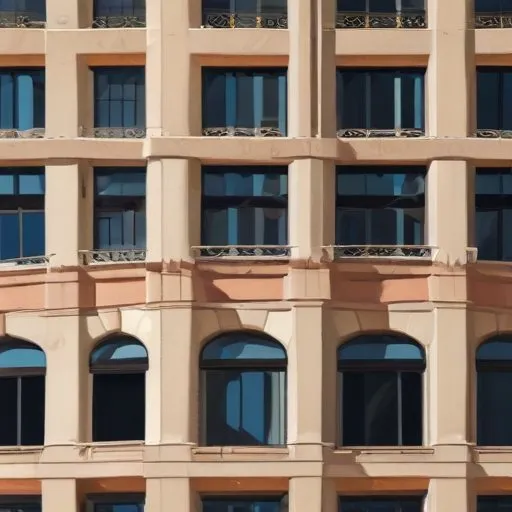
Designed iconic buildings in New York City, including the American Surety Building and Bank of the Metropolis, showcasing innovative architectural styles.
Bruce Price, an American architect, is renowned for his innovative designs that spearheaded the Shingle Style movement, influencing modernist architects like Frank Lloyd Wright and Robert Venturi. His remarkable cottages in Tuxedo Park, New York, showcased stark geometry and compact massing, paving the way for a new era in architecture.
Born on December 12, 1845, in Cumberland, Maryland, Price was the son of William and Marian Bruce Price. After studying at Princeton University, he interned at the office of Baltimore architects Niernsee & Neilson from 1864 to 1868. He then partnered with Ephraim Francis Baldwin in Baltimore before embarking on a brief study trip to Europe. Upon his return, he opened an office in Wilkes-Barre, Pennsylvania, where he practiced from 1873 to 1876.
In 1877, Price settled in New York City, where he worked on various domestic projects. His big break came when he designed and laid out the exclusive 7,000-acre planned community of Tuxedo Park between 1885 and 1886. This project, created by Pierre Lorillard IV, showcased Price's innovative designs, which were highly influential in the architectural profession. In fact, eight of his houses, including five from Tuxedo Park, were featured in George William Sheldon's landmark survey of American domestic architecture, Artistic Country-Seats (1886-1887).
Price's designs were characterized by their severe geometry, compact massing, and axial plans. His philosophy was to blend buildings with their surroundings, as evident in his Tuxedo Park creations. His daughter wrote in 1911, "In beginning Tuxedo, the architect's idea was to fit buildings with the surrounding woods, and the gate-lodge and cottages were designed to blend with the landscape."
Bruce Price's designs and philosophy have had a lasting impact on modern architecture. His Shingle Style cottages have inspired generations of architects, and his emphasis on blending buildings with their surroundings has contributed to the development of sustainable and eco-friendly architecture.
Price's legacy extends beyond his architectural contributions. He played a significant role in shaping the cultural and social landscape of Tuxedo Park, which became a hub for the wealthy and influential. His designs also reflect the era's social and economic changes, making him an important figure in American cultural history.
Bruce Price passed away on May 29, 1903. Throughout his career, he was driven by his passion for innovative design and his commitment to creating harmony between buildings and their surroundings. His remarkable legacy continues to inspire architects, designers, and environmentalists alike.
Today, Price's work serves as a testament to the power of visionary design and its ability to shape our built environment. As we strive to create more sustainable and eco-friendly spaces, Bruce Price's pioneering spirit and architectural innovations remain a pivotal part of our cultural heritage.
Born in 1822
Co-designer of iconic public spaces, including Central Park, revolutionizing urban landscape architecture. Known for harmoniously blending nature and urban development.
Born in 1850
A pioneering architect of the late 19th century, renowned for designing iconic Chicago landmarks that redefined urban skyscrapers. His innovative use of steel frames and ornate details set a new standard for modern architecture.
Born in 1846
Designed the iconic World's Columbian Exposition in Chicago, showcasing innovative neoclassical architecture that influenced urban planning and design. This visionary's work continues to inspire modern cityscapes.
Born in 1856
Designed iconic buildings that blended functionality with ornate details, revolutionizing American architecture with his innovative "form follows function" philosophy.
