


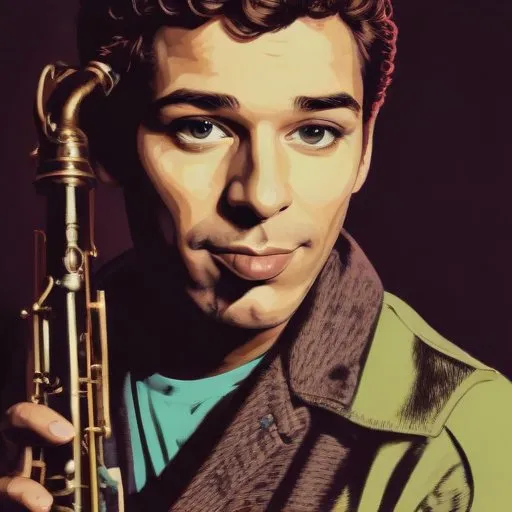
A renowned jazz musician, he was a master of the saxophone and clarinet, known for his soulful, bluesy sound and influential contributions to the New Orleans jazz scene.
Buddy Boudreaux, the revered big band and jazz musician, left an indelible mark on the music scene of Baton Rouge, Louisiana. For over seven decades, he directed and played in numerous bands, backing legendary artists and touring the southern United States.
Born on December 27, 1917, in Donaldsonville, Louisiana, Boudreaux's love affair with music began at a tender age. His mother, Rena Marie Landry Boudreaux, a skilled pianist, encouraged his interest in music, often staying up late to listen to live radio broadcasts of big bands with him. This early exposure sparked a passion that would define his life's work.
With the help of a music teacher, Boudreaux began taking saxophone lessons at age 12. He later enrolled in Baton Rouge High School, where he played in the band, and subsequently attended Louisiana State University, participating in the LSU Tiger Marching Band. Although he dropped out of college to pursue a music career, his love for music never wavered.
Boudreaux's contributions to Baton Rouge's music scene are unparalleled. He co-authored "My Baton Rouge," which was declared the city's official song in 1998. His bands backed numerous legendary performers, including Andy Williams, Bernadette Peters, Doc Severinsen, and Dionne Warwick, among many others. He also opened shows for Tony Bennett, Tony Orlando, and The Beach Boys, cementing his reputation as a master of his craft.
The State-Times newspaper dubbed Boudreaux "the city's sound of big band," a testament to his enduring influence on the local music scene.
Boudreaux's love for jazz and big band music was rooted in his desire to bring people together through the universal language of music. He believed in the power of music to transcend boundaries and foster community, often stating that "music is the thread that weaves humanity together."
Boudreaux's legacy extends beyond the realm of music. He played a pivotal role in shaping Baton Rouge's cultural identity, inspiring generations of musicians and music enthusiasts. His contributions to the city's vibrant music scene have left a lasting impact, solidifying his place as a beloved cultural icon.
Buddy Boudreaux's remarkable life and career serve as a testament to the power of passion, dedication, and community. His legacy continues to resonate, inspiring new generations of artists and music lovers alike.
96 Years Old
A renowned jazz clarinetist celebrated for his lively, energetic performances and iconic New Orleans-style jazz sound, blending traditional and modern elements.
Born in 1922
Renowned for his virtuosic trumpet playing and charismatic stage presence, he led his own jazz band and recorded many popular albums, including the hit song "Java".
Born in 1909
A virtuosic clarinetist and bandleader, known as the "King of Swing," who revolutionized jazz music with his energetic and sophisticated style, leading a racially integrated orchestra in the 1930s.
Born in 1910
A virtuosic clarinetist and innovative bandleader, he revolutionized the swing era with his unique sound and iconic hits like "Begin the Beguine" and "Stardust".
Born in 1913
A legendary jazz musician and bandleader, known for his virtuosic saxophone and clarinet playing, and leading his iconic orchestra through the swing and bebop eras.
Born in 1899
A legendary jazz pianist, composer, and bandleader who revolutionized the genre with his unique style and iconic compositions, such as "Take the A Train" and "Mood Indigo".
Born in 1904
A legendary jazz pianist and bandleader who led a iconic orchestra, blending swing and blues to create a unique sound that influenced generations of musicians. Known for his distinctive "less-is-more" style and hits like "April in Paris" and "One O'Clock Jump".
Born in 1907
A legendary jazz musician who played saxophone and trumpet, and composed music for films and TV shows, leaving a lasting impact on the jazz genre.
