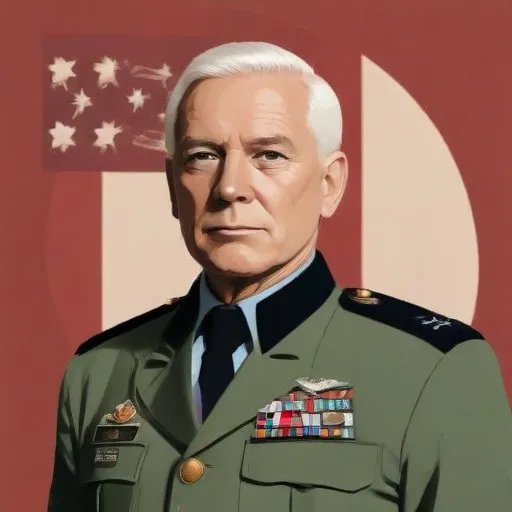
C. Gordon Fullerton: The Pioneering Astronaut and Research Pilot
A Trailblazer in Space Exploration
C. Gordon Fullerton was a renowned American astronaut, research pilot, and United States Air Force colonel who played a pivotal role in the development of space exploration. With over 380 hours of space flight under his belt, Fullerton was a pioneer in the field, contributing significantly to the success of numerous NASA missions.
Early Life and Education
Born on October 11, 1936, in Rochester, New York, Fullerton graduated from
Ulysses S. Grant High School in Portland, Oregon, in 1953. He went on to earn a Bachelor of Science and Master of Science in mechanical engineering from the California Institute of Technology in 1957 and 1958, respectively.
Air Force Career
Fullerton entered the U.S. Air Force in July 1958, where he underwent training as an F86 interceptor pilot and later became a B47 bomber pilot at Davis-Monthan Air Force Base, Arizona. In 1964, he was selected to attend the Air Force Aerospace Research Pilot School, where he honed his skills as a test pilot.
NASA Astronaut and Research Pilot
In September 1969, Fullerton was selected as a NASA astronaut, a role that would see him log over 380 hours of space flight. As a research pilot at NASA's Dryden Flight Research Facility, he flew a range of aircraft, including the B-52 launch aircraft and the Boeing 747 Shuttle Carrier Aircraft. Fullerton's expertise was instrumental in the success of numerous NASA missions, including the Space Shuttle program.
Career Highlights
- Logged over 380 hours of space flight
- Flew on NASA's B-52 launch aircraft and Boeing 747 Shuttle Carrier Aircraft
- Played a key role in the development of the Space Shuttle program
- Retired from the U.S. Air Force in 1988 with the rank of colonel
Personal Life
Fullerton resided in Lancaster, California, with his wife and two children. Throughout his life, he remained committed to his work, dedicating himself to the pursuit of excellence in space exploration.
Legacy
C. Gordon Fullerton's remarkable achievements have left a lasting impact on the field of space exploration. His pioneering spirit, exceptional skill, and dedication to his craft have inspired generations of astronauts and researchers. As a true pioneer in space travel, Fullerton's legacy continues to soar, inspiring us to reach for the stars.
FAQ
What was C. Gordon Fullertons role in the space program?
C. Gordon Fullerton was a NASA astronaut and engineer who played a key role in the development of the space shuttle program. He flew on two space missions, STS-3 and STS-51-F, and was a highly respected figure in the astronaut corps.
What were C. Gordon Fullertons achievements in the space program?
C. Gordon Fullertons achievements in the space program include piloting the space shuttle on two missions, conducting extensive research on spaceflight operations, and developing new technologies for space exploration. He was also a key figure in the development of the space shuttles robotic arm.
How did C. Gordon Fullerton contribute to the development of robotic systems?
C. Gordon Fullerton made significant contributions to the development of robotic systems, including the space shuttles robotic arm. He was a pioneer in the field of robotics and artificial intelligence, and his work helped to pave the way for future advancements in these areas.
What awards did C. Gordon Fullerton win?
C. Gordon Fullerton won numerous awards for his achievements in the space program, including the NASA Distinguished Service Medal, the NASA Exceptional Service Medal, and the American Institute of Aeronautics and Astronautics (AIAA) Engineer of the Year award.
How did C. Gordon Fullertons military background influence his work in the space program?
C. Gordon Fullertons military background had a significant impact on his work in the space program, shaping his approach to spaceflight operations and his commitment to safety and excellence. His military experience also helped him to develop strong leadership skills, which he used to great effect during his time at NASA.