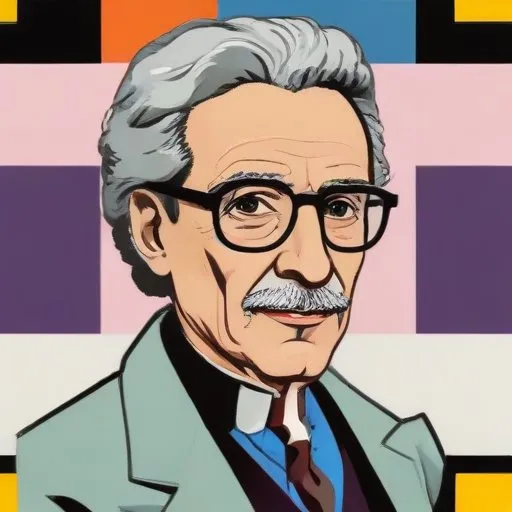
C. P. Snow: The Visionary Bridging the Gap between Science and Literature
A Champion of Interdisciplinary Understanding
C. P. Snow, a renowned English novelist and physical chemist, is best known for his seminal lecture, "The Two Cultures," which lamented the growing chasm between scientists and literary intellectuals. His groundbreaking work, "Strangers and Brothers," a series of novels that spanned over four decades, showcased his remarkable ability to weave together the intricacies of human relationships and the complexities of science.
Early Life and Education
Born on October 15, 1905, in Leicester, England, Charles Percy Snow was the second of four brothers to William Snow, a church organist, and Ada Snow. He was educated at Alderman Newton's School, where he developed a passion for science and literature. Snow's academic prowess earned him a first-class degree in chemistry from the University of London in 1927, followed by a Master's degree in the same field the next year. His subsequent PhD in physics from Cambridge University in 1930 solidified his reputation as a brilliant scientist.
Academic Contributions and Civil Service Career
Snow's academic career was marked by significant contributions to the field of physical chemistry. His research on infrared spectra of simple diatomic molecules led to several publications, including a paper in Nature. Although his work on synthesizing Vitamin A was later found to be incorrect, it did not deter him from pursuing a career in the civil service. Snow served as technical director of the Ministry of Labour from 1940 to 1944 and later as a civil service commissioner from 1945 to 1960. His dedication to public service earned him a Commander of the Order of the British Empire (CBE) in 1943.
The Two Cultures: A Call to Action
Snow's most influential work, "The Two Cultures," was a lecture delivered at Cambridge University in 1959. In it, he argued that the intellectual life of Western society was divided into two distinct cultures: the scientific and the literary. Snow implored scientists and literary intellectuals to bridge this gap, fearing that the lack of understanding between these two groups would lead to grave consequences. His words resonated with scholars, policymakers, and the general public, sparking a national debate about the role of science and literature in modern society.
Major Works and Literary Legacy
Snow's literary career spans over four decades, with his most notable work being the "Strangers and Brothers" series. This collection of novels, which includes "Time of Hope," "George Passant," and "Corridors of Power," explores the complexities of human relationships, morality, and the intersection of science and politics. Snow's writing style, characterized by its lucidity, nuance, and depth, has been praised by literary critics and scholars alike.
Influence on Modern Society
C. P. Snow's work has had a profound impact on modern society. His advocacy for interdisciplinary understanding has inspired generations of scholars, policymakers, and scientists to engage in meaningful dialogue. His "Two Cultures" lecture has been widely referenced in discussions about the role of science and literature in shaping our understanding of the world. Snow's commitment to public service has also inspired countless individuals to pursue careers in the civil service and government.
Awards and Honors
Snow's contributions to science, literature, and public service have been recognized with several awards and honors. He was appointed a Commander of the Order of the British Empire (CBE) in 1943 and was elevated to the peerage as Baron Snow in 1964.
Personal Milestones and Key Life Events
Marriage and Family
In 1950, Snow married Pamela Hansford Johnson, a novelist and playwright. The couple had no children, but their marriage was marked by a deep understanding and respect for each other's intellectual pursuits.
Later Life and Legacy
C. P. Snow passed away on July 1, 1980, leaving behind a rich legacy of literary works, scientific contributions, and a lasting impact on modern society. His advocacy for interdisciplinary understanding continues to inspire scholars, policymakers, and scientists to engage in meaningful dialogue, ensuring that his influence will be felt for generations to come.
Quotes and Memorable Sayings
- "The rivalry between science and literature is a perpetual struggle between two forms of the human imagination."
- "The greatest of all human delusions is the notion that we are the pinnacle of creation."
Historical Context and Legacy
C. P. Snow's life and work are a testament to the power of interdisciplinary understanding. In an era marked by increasing specialization, Snow's work serves as a beacon, reminding us of the importance of dialogue between scientists, literary intellectuals, and policymakers. His legacy continues to inspire scholars, writers, and scientists to engage in meaningful discussions, ensuring that the gap between the two cultures remains a bridgeable chasm.