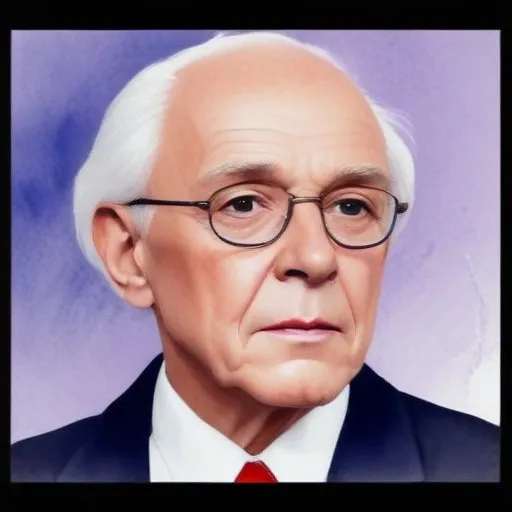
Carl Dennis: A Life of Poetic Mastery
A Pulitzer Prize Winning Poet
Carl Dennis, born on September 17, 1939, is an American poet and educator renowned for his mastery of crafting poetry that delves into the intricacies of everyday life. His book,
Practical Gods, earned him the prestigious Pulitzer Prize for Poetry in 2002, cementing his position as a prominent voice in the world of literature.
Early Life and Education
Dennis was born in St. Louis, Missouri, and pursued his higher education at Oberlin College and the University of Chicago. He received his bachelor's degree from the University of Minnesota in 1961. Later, he earned his Ph.D. in English literature from the University of California, Berkeley in 1966.
A Professor and a Poet
That same year, Dennis became an assistant professor of English at the University at Buffalo, a position he held for most of his career. In 2002, he was appointed as an artist-in-residence at the same institution. He has also served on the faculty of the graduate program at Warren Wilson College.
Awards and Honors
Dennis's poetic prowess has been recognized with numerous accolades, including:
- Fellowship at the Rockefeller Study Center in Bellagio, Italy
- Guggenheim Fellowship (1984)
- National Endowment for the Arts Fellowship in Poetry (1988)
- Ruth Lilly Poetry Prize (2000)
- Pulitzer Prize for Poetry (2002)
Poetic Style and Themes
Dennis's poetry is characterized by its ability to uncover the extraordinary within the ordinary. His poems often explore middle-class life, but beneath the surface, they reveal unexpected possibilities, contrasts, and vibrancy. His unique style has been praised for its accessibility and ability to convey complex ideas through simple, yet powerful language.
Influences and Legacy
Dennis's work has been influenced by the likes of
William Stafford and
Louis Simpson, and his poetry has, in turn, inspired a new generation of writers. His legacy is a testament to the power of poetry to illuminate the human experience and to inspire us to see the beauty in the everyday.
Personal Life
Dennis is the brother of American composer Robert Dennis. His personal life has been marked by a dedication to his craft, and he continues to write and teach, inspiring countless students and readers alike.
Major Works
Some of Dennis's notable works include:
- Practical Gods (2001)
- The Near World (1984)
- New and Selected Poems (1996)
A Lasting Impact
Carl Dennis's contribution to American poetry is immeasurable. His poetry has touched the hearts of many, and his legacy will continue to inspire and educate future generations of writers and readers.
FAQ
What is Carl Denniss background in poetry?
Carl Dennis is an American poet and educator who has made significant contributions to contemporary poetry. He is known for his lyric poetry, which explores themes of love, nature, and the human condition.
What are some of Carl Denniss most notable collections of poetry?
Carl Dennis has published numerous collections of poetry, including New and Selected Poems and Callings. His work is known for its musicality, nuance, and depth, and has been praised by critics and readers alike.
How does Carl Denniss poetry reflect his cultural heritage?
Carl Denniss poetry reflects his cultural heritage as an American, drawing on traditions of American poetry and culture. He has also been influenced by classical Greek and Roman poetry, and has incorporated elements of mythology and folklore into his work.
What awards and honors has Carl Dennis received for his poetry?
Carl Dennis has received numerous awards and honors for his poetry, including the Pulitzer Prize for Poetry and the Mellon Professorship. He has also been recognized for his contributions to literature and education through various tributes and retrospectives.
How has Carl Denniss poetry influenced other writers?
Carl Denniss poetry has influenced a wide range of writers, from established poets such as Mark Doty and Mary Oliver to emerging writers and students. His work has been praised for its accessibility and lyricism, and has inspired generations of poets and readers.