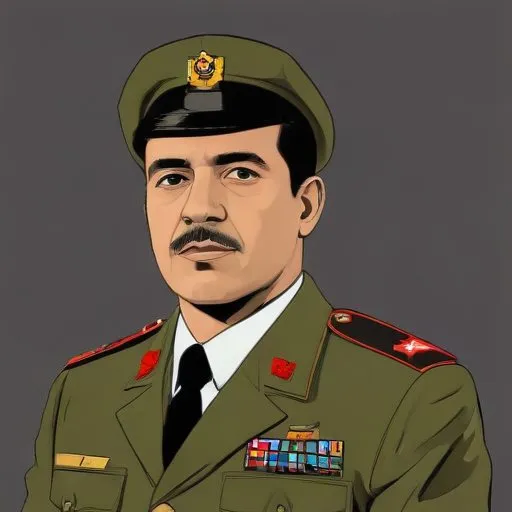
Carlos Alberto Brilhante Ustra: The Infamous Brazilian Army Officer
Notoriety and Recognition
Carlos Alberto Brilhante Ustra is notoriously known for being the first Brazilian military officer to be denounced as a torturer during the country's military dictatorship (1964-1985). His reputation as a ruthless interrogator and torturer of political prisoners has earned him a permanent place in Brazil's dark history.
Early Life and Career
Born on July 28, 1932, in Santa Maria, Rio Grande do Sul, Brazil, Ustra pursued a military career, enlisting in the Brazilian Army in 1951. He rose through the ranks, becoming an officer in 1955. Ustra's involvement in the military dictatorship began in 1964, when he joined the Army's Information Center ( Centro de Informações do Exército, CIEx), an intelligence agency responsible for suppressing political dissent.
Torture and Human Rights Violations
Ustra's notoriety stems from his role as the commander of DOI-CODI ( Destacamento de Operações de Informações - Centro de Operações de Defesa Interna), a clandestine prison and torture center in São Paulo. During his tenure from 1970 to 1974, Ustra oversaw the detention, interrogation, and torture of numerous political prisoners, including students, trade unionists, and intellectuals. His methods were notoriously brutal, involving electric shock, beatings, and psychological manipulation.
Denouncement and Consequences
In 1977, Ustra was denounced as a torturer by former political prisoner and journalist, Inês Etienne Romeu. This public accusation marked a turning point in Brazil's struggle for democracy and human rights. Ustra was subsequently dismissed from the Army in 1983, and in 2008, he was officially declared a torturer by the Brazilian government.
Legacy and Historical Context
Ustra's actions during the military dictatorship have left an indelible mark on Brazilian history. His reign of terror and human rights violations are a testament to the darker aspects of the country's recent past. As a symbol of the regime's brutality, Ustra's legacy serves as a reminder of the importance of protecting human rights and promoting accountability for those responsible for such atrocities.
Personal Life and Later Years
Little is known about Ustra's personal life, as he has maintained a low profile since his dismissal from the Army. He passed away on October 15, 2015, at the age of 83, without ever facing criminal charges or imprisonment for his crimes.
Quotes and Memorable Sayings
"I never tortured anyone. I only defended my country."
— Carlos Alberto Brilhante Ustra, in a 2008 interview
Historical Impact and Comparative Analysis
Ustra's actions must be considered within the broader context of Brazil's military dictatorship and the global phenomenon of state-sponsored torture during the Cold War era. His notoriety is comparable to that of other infamous torturers, such as Chile's
Manuel Contreras and Argentina's
Alfredo Astiz, highlighting the need for continued vigilance and accountability in the face of human rights abuses.
Trivia and Fun Facts
- Ustra was a decorated officer, receiving the Medal of Military Merit in 1973.
- He was known as "Dr. Tibiriçá" among his victims, a nickname that has become synonymous with brutality and terror.
FAQ
What was Carlos Alberto Brilhante Ustras role in the Brazilian military?
Carlos Alberto Brilhante Ustra was a Brazilian colonel who served as the commander ofDOI-CODI, a intelligence agency during the Brazilian military dictatorship. He was known for his involvement in human rights abuses and torture.
What human rights abuses was Carlos Alberto Brilhante Ustra accused of?
Carlos Alberto Brilhante Ustra was accused of numerous human rights abuses, including torture, forced disappearance, and murder, during his time as commander of DOI-CODI.
What was the outcome of Carlos Alberto Brilhante Ustras trial?
In 2013, Carlos Alberto Brilhante Ustra was convicted of human rights abuses and sentenced to 2 years and 6 months in prison.
What is Carlos Alberto Brilhante Ustras legacy in Brazilian history?
Carlos Alberto Brilhante Ustras legacy is marked by controversy and human rights abuses, and he is widely seen as a symbol of the brutality of the Brazilian military dictatorship.
What is the significance of Carlos Alberto Brilhante Ustras case in modern Brazil?
Carlos Alberto Brilhante Ustras case is significant in modern Brazil as it highlights the need for accountability and justice for human rights abuses committed during the military dictatorship era.