


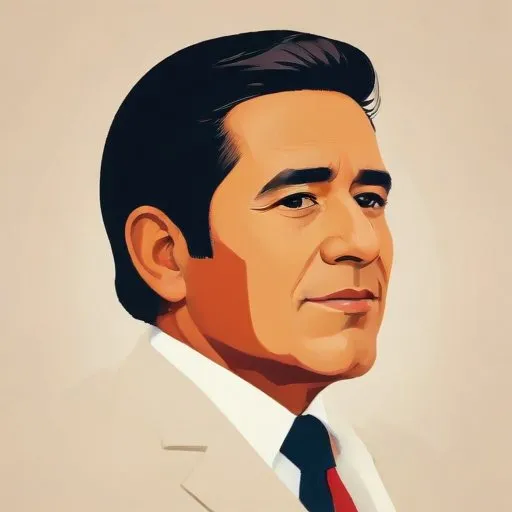
Bolivian president from 1931 to 1935, known for his efforts to modernize the country and his role in the Chaco War.
Carlos Blanco Galindo, a prominent figure in Bolivian history, is best known for serving as the 32nd president of Bolivia on a de facto interim basis from 1930 to 1931, during a time of great political upheaval. His leadership played a crucial role in navigating the country through the Great Depression and the subsequent Chaco War with Paraguay.
Blanco Galindo was born on March 12, 1882, in Cochabamba, Bolivia, and went on to pursue a career as a military officer and lawyer. His commitment to public service led him to become one of the leaders of the insurrection that toppled President Hernando Siles from power in 1930.
In the aftermath of Siles' resignation, Blanco Galindo allied himself with the opposition parties and led a coup against the interim cabinet. This bold move propelled him to the forefront of Bolivian politics, and he was subsequently sworn in as president.
During his short but eventful tenure, Blanco Galindo's primary focus was on calling new elections, which took place within seven months of his swearing-in. He delegated authority to his capable technocratic cabinet, led by Daniel Sánchez Bustamante, allowing them to tackle the country's pressing issues. This decision enabled Bolivia to transition to a new government, stabilizing the political landscape.
After completing his term, Blanco Galindo was appointed Ambassador to Uruguay. However, he returned to active service during the Chaco War, demonstrating his unwavering commitment to his country. In his later years, he wrote several books, leaving behind a rich literary legacy.
Blanco Galindo's presidency was a pivotal moment in Bolivian history, as it marked a transition from authoritarian rule to a more democratic government. His leadership during this tumultuous period has been remembered as a crucial step towards stabilizing the country.
Although there are no recorded quotes from Blanco Galindo, his actions spoke louder than words, demonstrating his commitment to democracy and the welfare of the Bolivian people.
Blanco Galindo's most notable achievement was his role in leading the Bolivian government during a time of great crisis. His leadership and vision paved the way for future generations of Bolivian politicians.
His written works, although not extensively documented, are a testament to his intellectual curiosity and passion for politics.
Born in 1907
Led Bolivia through a period of rapid modernization and economic growth, implementing land reforms and nationalizing key industries. He's remembered for his progressive policies and commitment to social justice.
Born in 1918
Bolivian general and politician who served as the 56th President of Bolivia, known for his role in the 1969 coup and subsequent presidency marked by economic and social reforms.
Born in 1919
Led a military coup and later became president, implementing reforms and modernizing the country. He's known for his efforts to industrialize and develop Bolivia's economy.
