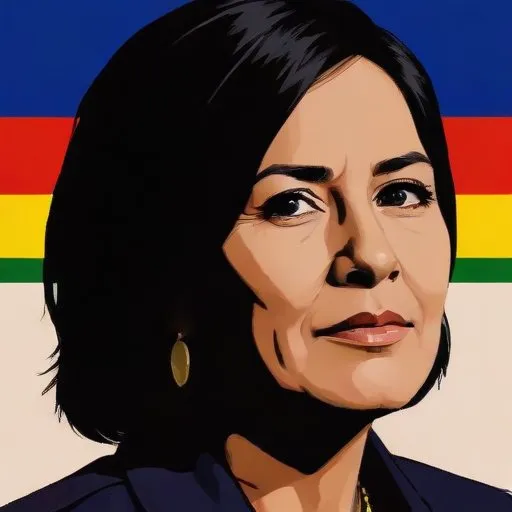
Ren Barrientos: The Bolivian President Who Shaped a Nation
A Legacy of Power and Controversy
Ren Barrientos Ortuo, the 47th President of Bolivia, is known for his tumultuous reign that spanned two non-consecutive terms from 1964 to 1966 and 1966 to 1969. During his tenure, he shared power with Alfredo Ovando as co-president and prior to that served as the 30th Vice President of Bolivia in 1964, leaving an indelible mark on the country's history.
A Childhood of Resilience
Born on May 30, 1919, in Tarata, Cochabamba, Barrientos' early life was marked by hardship. After his father's untimely death, he was sent to a Franciscan orphanage, where he spent his formative years. Despite the challenges, he persevered, attending a private high school while working odd jobs to pay his tuition.
A Military Career and Rise to Power
Barrientos' entry into the military academy in La Paz marked the beginning of a distinguished career. He graduated in 1943 and earned his pilot's license in 1945. His association with the reformist Revolutionary Nationalist Movement (MNR) party of Victor Paz Estenssoro catapulted him to prominence. He played a pivotal role in the Bolivian National Revolution of 1952, which toppled the established order, and was rewarded with the command of the Bolivian Air Force in 1957.
A New Kind of General
Barrientos' public displays of valor and bravery earned him widespread recognition. In 1960, he made a daring live parachute jump, solidifying his reputation as a fearless leader.
Rise to the Presidency
The 1964 Bolivian coup d'état brought Barrientos to power, and he served as President until 1966. He returned to the presidency in 1966 and remained in office until his untimely death in 1969.
Suppression of Leftist Opposition
During his presidency, Barrientos faced stiff opposition from leftist groups, including a guerrilla movement led by Che Guevara in 1967. The government responded with force, leading to a surge in human rights abuses and political repression.
Legacy and Impact
Barrientos' complex legacy is marked by both achievements and controversies. He implemented several reforms, including the nationalization of the tin industry, but his regime was also marred by human rights abuses and political repression. Despite this, his impact on Bolivian politics and society remains significant.
Personal Milestones
- May 30, 1919: Born in Tarata, Cochabamba
- 1943: Graduated from the military academy
- 1945: Earned his pilot's license
- 1952: Played a key role in the Bolivian National Revolution
- 1957: Named commander of the Bolivian Air Force
- 1964: Became the 47th President of Bolivia
- 1966: Returned to the presidency
- April 27, 1969: Died in a helicopter crash
Quotes and Memorable Sayings
"I am not a politician, I am a soldier who has been called to serve my country." - Ren Barrientos
FAQ
What was René Barrientoss role in Bolivian politics?
During his presidency, Barrientos implemented several reforms, including land redistribution and nationalization of the oil industry, which aimed to reduce foreign influence and promote economic development.
What was René Barrientoss background before entering politics?
Before entering politics, René Barrientos was a Bolivian general and served in various military roles, including as the Commander of the Bolivian Air Force. This experience shaped his leadership style and later influenced his political decisions.
How did René Barrientos rise to power in Bolivia?
Barrientos rose to power through his role in the 1964 Bolivian coup, which overthrew the government of Víctor Paz Estenssoro. He then became president and implemented his vision for Bolivias development.
What was René Barrientoss impact on Bolivian economy?
Barrientoss economic policies aimed to reduce Bolivias dependence on foreign capital and promote national industries. His government nationalized key sectors, such as oil and mining, and implemented land reform to redistribute land to peasants.
How is René Barrientos remembered in Bolivian history?
René Barrientos is remembered as a significant figure in Bolivian history, known for his nationalist policies and efforts to promote economic development. His legacy is still debated among historians and politicians, with some viewing him as a hero and others criticizing his authoritarian methods.