


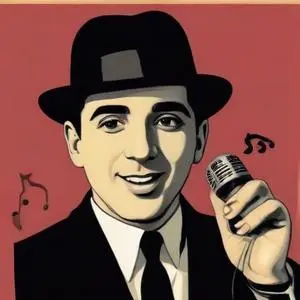
A legendary tango singer-songwriter and actor, known for his smooth, baritone voice and iconic songs that captured the essence of Argentine culture. He's often referred to as the "King of Tango".
Carlos Gardel, known as "El Zorzal" (The Song Thrush), is the most famous and influential tango singer of all time, leaving an indelible mark on the world of music. With his rich, velvety voice and dramatic phrasing, he charmed audiences globally, becoming an iconic figure in the history of tango.
Gardel was born Charles Romuald Gards on December 11, 1890, in Toulouse, France, to a 25-year-old laundress, Berthe Gards. His father, listed as unknown on his birth certificate, was later revealed to be Paul Laserre, a married man who had left Toulouse before Gardel's birth.
At a young age, Gardel moved to Buenos Aires, Argentina, where he began his music career, initially performing in local bars and cafes. His talent and charisma soon earned him recognition, and he started recording music in the early 1910s.
Gardel's breakthrough came in the 1920s, when he teamed up with lyricist Alfredo Le Pera, with whom he wrote some of the most iconic tangos of all time. Their collaboration resulted in classics like "Mi Buenos Aires Querido" and "Volver," which showcased Gardel's exceptional vocal range and emotional depth.
He became a sensational performer, known for his captivating stage presence, impeccable style, and effortless charisma. His music transcended borders, appealing to audiences in Europe, North America, and Latin America.
On June 24, 1935, tragedy struck when Gardel died in a plane crash in Medellín, Colombia, at the height of his career. The news of his death sent shockwaves across the world, and he became an archetypal tragic hero, mourned by millions.
Despite his untimely demise, Gardel's legacy endured. He remains the most celebrated figure in tango history, and his music continues to inspire new generations of artists and fans. His influence extends beyond the tango genre, with his music influencing popular culture, from film to literature.
Gardel's legacy extends beyond the world of tango. He has inspired countless artists, from Julio Iglesias to Madonna, and his music has been featured in films, TV shows, and commercials. He remains an cultural icon, symbolizing the passion, elegance, and sophistication of Argentina.
In the words of Argentine writer, Jorge Luis Borges, "Gardel's voice was the voice of Buenos Aires, the voice of the streets, the voice of the people."
"I am not a man of words, but of songs."
"Tango is not just a dance, it's a way of living."
Gardel's story serves as a testament to the power of passion, hard work, and talent. His legacy continues to captivate audiences, and his music remains an integral part of Argentine culture, a symbol of beauty, creativity, and emotional depth.
Born in 1899
A virtuosic violinist, composer, and conductor who revolutionized Argentine tango music with his innovative and expressive style, blending traditional folk with classical and jazz elements.
Born in 1895
The authoritarian leader who ruled Argentina with his charismatic wife Eva, implementing populist economic policies and promoting nationalism, while suppressing opposition and civil liberties.
Born in 1919
A former actress who used her charisma and influence to advocate for women's suffrage and workers' rights, becoming a beloved and powerful figure in Argentine politics.
