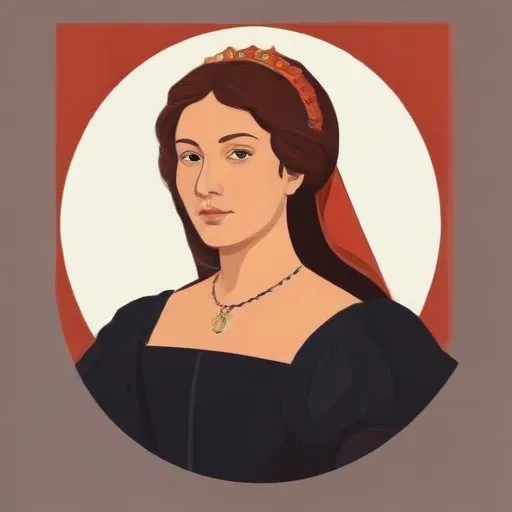
Carola of Vasa: The Philanthropic Queen of Saxony
A Life Dedicated to Charity and Social Reform
Carola of Vasa, the last queen consort of Saxony, is renowned for her unwavering commitment to charitable causes and social institutions. Through her tireless efforts, she improved the lives of countless individuals, earning herself a revered place in the annals of Saxon history.
Early Life and Royal Heritage
Born on August 5, 1833, in the Kaiserstückl, an annex of Schönbrunn Palace in Vienna, Carola was the only daughter of Prince Gustav of Vasa and Princess Louise Amelie of Baden. Her father, a member of the deposed Swedish House of Holstein-Gottorp, adopted the surname Vasa, which Carola inherited. Her evangelical baptism took place on August 7, 1833, with the full name of Caroline Friederike Franziska Stephanie Amalie Ccilie.
A Marriage of Devotion and Duty
In 1853, Carola married Albert, the Crown Prince of Saxony, and upon his accession to the throne in 1873, she became the queen consort. Throughout their marriage, Carola stood by her husband's side, dedicating herself to charitable and social causes.
Philanthropic Pioneering
Carola's most notable achievement was the founding of the Albert Association (German: Albertverein) in 1867, which aimed to improve the care of the wounded, sick, and poor. She also established numerous nursing and training institutions, rendering invaluable services to the people of Saxony. Her philanthropic endeavors earned her the Order of Sidonia and inspired the creation of the Carola Medal, awarded for outstanding charitable contributions.
A Champion of the Disadvantaged
Carola's compassion extended to various segments of society, including children, women, and the disadvantaged. She actively supported organizations that promoted their welfare, leaving an indelible mark on Saxon society.
Legacy and Recognition
Carola's selfless devotion to philanthropy and social reform has been immortalized in the many places named after her, particularly in Dresden. Her remarkable life and achievements continue to inspire generations, cementing her status as a paragon of benevolence and charitable virtue.
Personal Milestones and Honors
- Marriage to Albert, Crown Prince of Saxony (1853)
- Founding of the Albert Association (1867)
- Receipt of the Order of Sidonia
- Creation of the Carola Medal for charitable contributions
- Places named after her, including Carola Bridge, Carola Square, and Carola Street in Dresden
Historical Context and Legacy
Carola's remarkable life and achievements are a testament to her strength, compassion, and unwavering dedication to improving the lives of others. As the last queen consort of Saxony, she leaves behind a legacy that continues to inspire and uplift generations, solidifying her place as one of the most revered figures in Saxon history.
FAQ
What was Carola of Vasas role in the royal family?
Carola of Vasa was a member of the Swedish royal family, the daughter of Crown Prince Gustav of Sweden and Crown Princess Louise of Sweden. She played a significant role in promoting Swedish culture and supporting charitable causes.
What were Carola of Vasas interests and hobbies?
Carola of Vasa was interested in music, art, and literature. She was a patron of the arts and supported several cultural institutions in Sweden.
What was Carola of Vasas marriage like?
Carola of Vasa married King Albert of Saxony, with whom she had seven children. Her marriage was marked by a strong sense of duty and a commitment to her royal responsibilities.
What is Carola of Vasas legacy in Swedish history?
Carola of Vasas legacy in Swedish history is that of a dedicated and compassionate member of the royal family, who used her position to promote Swedish culture and support charitable causes.
What were Carola of Vasas relationships with her family members like?
Carola of Vasa was close to her family members, particularly her parents and siblings. She was known for her kind and gentle nature, which earned her the respect and admiration of those around her.