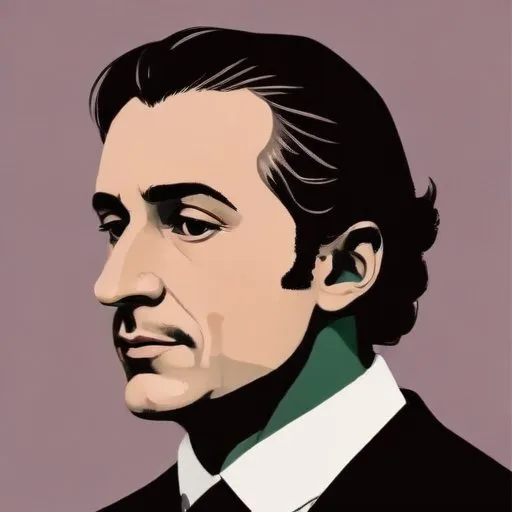
Casimir Delavigne: The French Poet and Dramatist Who Ignited Patriotism
Casimir Delavigne is renowned for his impassioned poems and plays that reflected the tumultuous era of the French Revolution and the Bourbon Restoration. His works, particularly his "Messniennes," resonated deeply with the French people, earning him widespread acclaim and recognition.
Early Life and Education
Born on April 4, 1793, in Le Havre, France, Delavigne was sent to Paris to pursue his education at the prestigious Lyce Napoleon. His extensive reading habits laid the foundation for his future literary pursuits.
Rise to Fame: The Messniennes
The Battle of Waterloo in 1815 profoundly impacted Delavigne, inspiring him to write two poems that would change the course of his life. "Waterloo" and "Devastation du musée" were penned in the heat of patriot fervor, replete with popular political allusions. These poems, collectively known as the "Messniennes," found an astonishing 25,000 copies sold, catapulting Delavigne to fame.
Theatrical Success
Delavigne's success extended to the theatrical realm with the production of "Les Vêpres Siciliennes" in 1819 at the Odon Theater. The play's warm reception led to Picard, the manager, hailing Delavigne as the founder of the second French Theatre. This triumph was followed by "Les Comédiens" in 1820 and "Le Paria" in 1821, the latter featuring well-written choruses that garnered attention despite its inferior plot.
Controversy and Royal Disfavor
However, Delavigne's unbridled expression of political opinions in "Le Paria" incurred the displeasure of the king, resulting in the loss of his librarian position. This setback did not deter Delavigne, who continued to create works that reflected his patriot zeal.
Legacy and Impact
Casimir Delavigne's contributions to French literature and theatre are undeniable. His "Messniennes" poems remain a testament to his ability to capture the sentiment of a nation in turmoil. Delavigne's influence can be seen in the works of his contemporaries and beyond, solidifying his position as a prominent figure in French literary history.
- Delavigne's poems and plays are a reflection of his strong patriotic beliefs and his ability to evoke emotions in his audience.
Personal Milestones and Recognition
Delavigne's achievements were recognized with an honorary librarianship, a sinecure in the revenue office, and the acclaim of his peers and the French people. His legacy serves as a testament to the power of literature in shaping public opinion and inspiring patriotism.
By the time of his passing on December 11, 1843, Casimir Delavigne had left an indelible mark on French literature and theatre, ensuring his place in the annals of history as a poet and dramatist of unwavering passion and conviction.
FAQ
What type of writing did Casimir Delavigne specialize in?
Casimir Delavigne was a French poet and dramatist who specialized in writing plays, poems, and songs. He was known for his patriotic and sentimental works, which were popular in 19th-century France.
What was Casimir Delavignes role in the development of French literature?
Casimir Delavigne played a significant role in the development of French literature in the 19th century. His works were widely read and performed, and he was considered one of the leading writers of his time.
What is Casimir Delavignes most famous work?
One of Casimir Delavignes most famous works is his poem La Parisienne, which was set to music and became a popular song in France.
How did Casimir Delavignes writing reflect his views on politics and society?
Casimir Delavignes writing often reflected his views on politics and society. He was a strong supporter of the French monarchy and wrote works that celebrated French history and culture.
What was Casimir Delavignes impact on French theatre?
Casimir Delavigne had a significant impact on French theatre in the 19th century. His plays were widely performed and helped to shape the development of French drama during this period.