


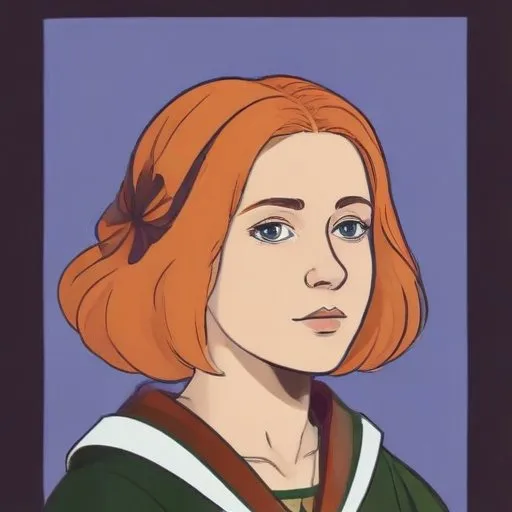
A 17th-century poet who wrote lyrical and devotional poetry, known for her unique style that blended mysticism and sensuality.
Catharina Questiers was a Dutch poet and dramatist, hailed as one of the most successful female poets of the second half of the 17th century, alongside Cornelia van der Veer and Katharyne Lescailje. Her literary prowess earned her a prominent place in the Dutch Republic's literary scene, where she penned plays and poems that continue to captivate readers to this day.
Born on November 21, 1631, in Amsterdam, Catharina Questiers was the youngest of six children to Salomon Davidsz. Questiers and Elisabeth Jan. Her family had Flemish roots, hailing from Ypres, and her father's successful plumbing business on Warmoesstraat provided a comfortable upbringing. Questiers' father was not only a businessman but also a man of the arts, with influence in the theatrical and literary circles. He was a member of the Brabant Chamber of Rhetoric, White Lavender, and Costers Academy, and even wrote a play called Griecxen Amadis, which was performed at the prestigious Academy on the Keizersgracht.
Questiers' foray into writing began at the tender age of eight, when she wrote her first poem alongside her brother David. Her craft continued to flourish, and her first published work appeared in Corpses Complaint, a tribute to her friend and poet Tesselschade Roemersdr. Visscher. This poem was featured in Jacob Viverius' Wintery Nights. As her reputation grew, Questiers began writing plays that catered to the Dutch Republic's taste for Spanish-inspired love triangles and action-packed scenes. Her debut play, The Geheymen Lover, was an innovative take on an existing verse-to-prose translation of a Spanish comedy, Las.
Questiers' writing was a breath of fresh air in the 17th-century Dutch literary landscape. Her plays and poems showcased her mastery of language, exploring themes of love, morality, and social commentary. Her works were met with critical acclaim, and she became a prominent figure in Amsterdam's literary circles. Despite the challenges faced by women writers of her time, Questiers' talent and perseverance earned her a place alongside her male contemporaries.
Catharina Questiers' literary legacy continues to inspire generations of writers and readers. Her pioneering spirit and dedication to her craft paved the way for future generations of women writers. Today, her works remain an essential part of the Dutch literary canon, a testament to her enduring impact on the world of poetry and drama.
"The Muses, who inspire us to sing, are the noblest of all possible Muses, and the most excellent of all possible virtues."
This quote, taken from one of her poems, reflects Questiers' deep appreciation for the power of art and literature in shaping human experience.
Born in 1587
A 17th-century master of Dutch literature, penning influential plays and poems that shaped the country's cultural identity. His works remain a testament to his innovative storytelling and poetic flair.
Born in 1581
A 16th-century Dutch historian and poet who wrote influential works on Dutch history and literature, including the first comprehensive history of the Netherlands.
Born in 1596
A 17th-century Dutch master of words and music, known for his lyrical poetry and innovative compositions that blended French and Italian styles. He was a true Renaissance man, excelling in multiple artistic fields.
