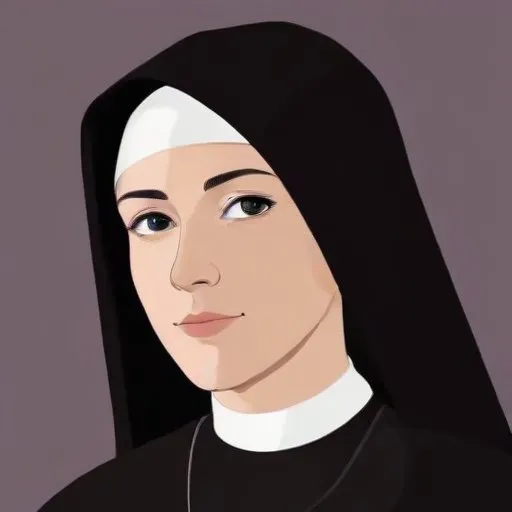
Catherine Labour: The Marian Visionary Behind the Miraculous Medal
A Life Dedicated to Caring for Others
Catherine Labour is best known for relaying the request from the Blessed Virgin Mary to create the Miraculous Medal, a devotion worn by millions of people around the world. Her selfless dedication to caring for the aged and infirm has earned her the title of patroness of seniors.
Early Life and Calling
Born on May 2, 1806, in the Burgundy region of France, Labour was the ninth of eleven living children to Madeleine Louise Gontard and Pierre Labour, a farmer. After her mother's passing in 1815, Labour and her sister
Marie Antoinette moved to their aunt's house, where she had a profound dream at the age of nine. In the dream, a priest, whom she later recognized as
Vincent de Paul, spoke to her, saying, "My daughter, it is good to care for the sick. For now, you flee from me, but one day you will be glad to approach me. God has plans for you. Don't forget it."
The Call to Serve
At the age of 12, Labour returned to her father's farm to help care for her family. However, her desire to serve the sick and the poor only grew stronger. Her father, wishing to deter her from her religious vocation, sent her to Paris to work in his brother's eating establishment for poor workers. There, she witnessed the suffering of others and continued to feel the call to serve as a nurse with the Daughters of Charity.
Joining the Daughters of Charity
Labour began her novitiate on April 21, 1830, at the convent on the Rue du Bac in Paris. On January 30, 1831, she took her vows, committing herself to a life of service and devotion. It was during this time that she had a series of visions of the Virgin Mary, which led to the creation of the Miraculous Medal.
The Miraculous Medal
According to Labour's account, the Virgin Mary appeared to her in a vision, requesting that a medal be created featuring her image on one side and the Sacred Heart of Jesus on the other. The medal was to be worn as a symbol of devotion and a reminder of God's love and mercy. The first medals were distributed in 1832, and soon, people from all over the world were clamoring for them.
A Life of Service and Devotion
Labour spent the next 40 years caring for the aged and infirm, living a life of humility, and discretion. Her unwavering commitment to serving others earned her the respect and admiration of her sisters in the Daughters of Charity. Despite her extraordinary gifts, Labour remained humble, recognizing that her visions and experiences were not for her own glory, but for the greater good.
Legacy and Impact
Today, Catherine Labour is revered as a patroness of seniors, and her legacy continues to inspire millions of people around the world. The Miraculous Medal, which she helped create, remains a powerful symbol of devotion and a reminder of God's love and mercy. Her life serves as a testament to the power of selflessness, compassion, and devotion.
Quotes and Memorable Sayings
- "My daughter, it is good to care for the sick. For now, you flee from me, but one day you will be glad to approach me. God has plans for you. Don't forget it." - The priest in her childhood dream, whom she later recognized as Vincent de Paul.
Personal Milestones and Key Life Events
- May 2, 1806: Born in the Burgundy region of France
- 1815: Mother's passing
- 1830: Began novitiate with the Daughters of Charity
- 1831: Took vows with the Daughters of Charity
- 1832: First distribution of the Miraculous Medal
- December 31, 1876: Passed away
FAQ
What is Catherine Labourés significance in Catholicism?
Catherine Labouré is a revered French nun and saint in the Catholic Church, known for her visions of the Virgin Mary and her role in the development of the Miraculous Medal devotional.
What are the circumstances surrounding Catherine Labourés visions?
Catherine Labouré received a series of visions from the Virgin Mary, including the instruction to create the Miraculous Medal, which has become a powerful symbol of devotion and faith for millions of Catholics worldwide.
How did Catherine Labourés devotion to the Virgin Mary shape her life and work?
Catherine Labourés devotion to the Virgin Mary was a central theme in her life, inspiring her to establish the Daughters of Charity of Saint Vincent de Paul and to minister to the poor and marginalized.
What is the significance of the Miraculous Medal in Catholic devotional practices?
The Miraculous Medal, designed according to Catherine Labourés vision, is a widely revered devotional object in Catholicism, believed to offer protection, guidance, and spiritual blessings to those who wear it with faith.
What was Catherine Labourés legacy in the Catholic Church?
Catherine Labourés legacy in the Catholic Church is that of a humble, devoted servant of God who listened to the divine call and responded with faith and action, inspiring generations of Catholics to follow her example.