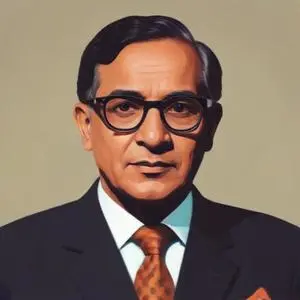
Chandra Shekhar: The Eighth Prime Minister of India
Political Legacy
Chandra Shekhar, affectionately known as Jananayak, served as the eighth Prime Minister of India from November 1990 to June 1991. He holds the distinction of being the first Indian Prime Minister to have never held any prior government office.
Early Life and Education
Born on April 17, 1927, in a Rajput zamindar family at Ibrahimpatti, a village in Ballia, Uttar Pradesh, Chandra Shekhar came from a farming background. He pursued his academic interests at Satish Chandra P.G. College, where he earned a Bachelor of Arts graduate degree. Later, he attended Allahabad University, obtaining his master's degree in political science in 1950.
Political Career
Chandra Shekhar began his political journey as a firebrand in student politics, eventually becoming active in socialist politics after completing his graduation. He started his political career under the guidance of Dr. Ram Manohar Lohia, a prominent Indian socialist. Shekhar's unwavering commitment to socialism and his charismatic leadership abilities earned him a significant following in the Indian political landscape.
Prime Ministership
Chandra Shekhar's minority government, comprising a breakaway faction of the Janata Dal with outside support from the Indian National Congress, formed the government with the fewest party MPs in the Lok Sabha. Despite the challenges posed by the country's precarious economic situation, Shekhar's government managed to grant permission for US military planes to refuel in Indian airports during the Gulf War, thereby improving India's image with the West.
Challenges and Controversies
Shekhar's government faced significant hurdles, including the 1991 Indian economic crisis and the assassination of
Rajiv Gandhi, which plunged his government into crisis. The government's inability to pass the budget at a critical time led to further downgrades by global credit rating agencies, making it difficult to secure short-term loans. The decision to mortgage gold to avoid default of payment was met with severe criticism, particularly since it was done secretly during the election period.
Personal Life
Chandra Shekhar married Duja Devi, and the couple's legacy lives on through the Duja Devi Degree College, founded in 1999 in Ballia district, Uttar Pradesh.
Legacy and Impact
Chandra Shekhar's brief yet eventful tenure as the Prime Minister of India left an indelible mark on the country's political landscape. Despite the challenges faced by his government, Shekhar's commitment to socialism and his efforts to navigate the country through a tumultuous period in its history are a testament to his unwavering dedication to the people of India.
Key Milestones
- April 17, 1927: Born in Ibrahimpatti, a village in Ballia, Uttar Pradesh
- 1950: Earned a master's degree in political science from Allahabad University
- 1990: Became the eighth Prime Minister of India
- 1991: Stepped down as Prime Minister due to political instability
- July 8, 2007: Passed away, leaving behind a rich legacy in Indian politics
In Conclusion
Chandra Shekhar's remarkable journey, marked by his unyielding commitment to socialism and his brief yet significant tenure as the Prime Minister of India, continues to inspire generations of Indian politicians and citizens alike. Despite the challenges faced during his premiership, Shekhar's indomitable spirit and his dedication to the people of India remain an integral part of India's rich political heritage.
FAQ
What was Chandra Shekhars role in Indian politics?
Chandra Shekhar was an Indian politician who served as the 8th Prime Minister of India from 1990 to 1991. During his tenure, he focused on economic reform and reducing poverty.
What were Chandra Shekhars major accomplishments as prime minister?
Chandra Shekhars major accomplishments as prime minister included the introduction of several economic reforms, such as the liberalization of trade and the privatization of state-owned enterprises.
What was Chandra Shekhars role in the Indian National Congress?
Chandra Shekhar was a prominent figure in the Indian National Congress, serving as the partys president from 1977 to 1978. He played a key role in shaping the partys policies and direction.
What awards did Chandra Shekhar receive for his public service?
Chandra Shekhar received several awards for his public service, including the Bharat Ratna, Indias highest civilian honor.
What is Chandra Shekhars legacy in Indian politics?
Chandra Shekhars legacy in Indian politics is that of a dedicated public servant who worked to reform the economy and reduce poverty. He is remembered as a strong leader who made a positive impact on the country.