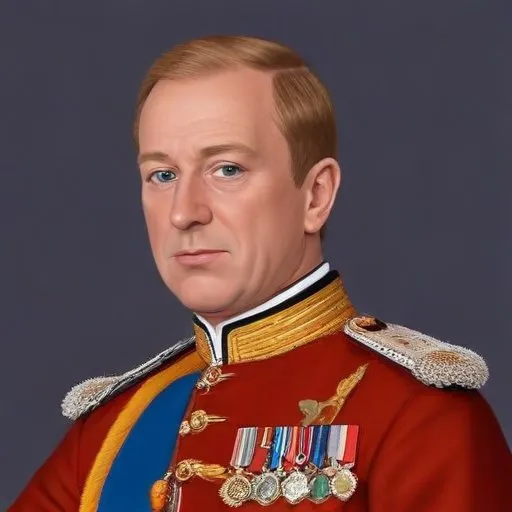
Charles III Philip, Elector Palatine: The Military Leader who Redefined the Palatinate
A Legacy of Military Prowess and Administrative Reforms
Charles III Philip, Elector Palatine, is renowned for his remarkable military career, which spanned over three decades, and his visionary leadership that transformed the Palatinate. As the Elector of Palatine from 1716 to 1742, he not only expanded the territories under his rule but also implemented sweeping reforms that left a lasting impact on the region.
Early Life and Military Career
Born on November 4, 1661, in Neuburg an der Donau, Charles Philip was the seventh of seventeen children of
Philip William, Elector Palatine, and Elisabeth
Amalie of Hesse-Darmstadt. Initially, he pursued a career in the clergy, but his true calling lay in the military. In 1684, he joined the Habsburg war against the Turks, distinguishing himself as a skilled military strategist and leader. His bravery and tactical prowess earned him rapid promotions, culminating in his appointment as Imperial Field Marshal.
Rise to Power and Administrative Reforms
Upon the death of his brother
Johann Wilhelm, Elector Palatine, in 1716, Charles Philip succeeded him as the Elector of Palatine. He wasted no time in implementing his vision for the region, relocating the capital from Heidelberg to Mannheim in 1720. This strategic move not only strengthened his power base but also facilitated the development of Mannheim into a thriving cultural and economic hub. To consolidate his hold on the region, Charles Philip promoted his trusted court jester, Perkeo of Heidelberg, to oversee the castle's wine stocks, a shrewd move that demonstrated his ability to think outside the box.
Personal Milestones and Key Life Events
- 1677: Became a cleric in Cologne
- 1679: Became a cleric in Mainz
- 1684: Joined the Habsburg war against the Turks
- 1691-1694: Participated in the Habsburg war against the Turks
- 1712: Appointed Governor of Further Austria in Innsbruck
- 1716: Succeeded his brother Johann Wilhelm as Elector Palatine
- 1720: Relocated the capital from Heidelberg to Mannheim
- 1742: Organized a grand wedding ceremony for his granddaughters and voted for his Bavarian cousin Prince-Elector Charles Albert in the imperial election
Historical Context and Legacy
Charles III Philip's reign marked a critical phase in the history of the Palatinate. His military prowess and administrative reforms not only strengthened the region but also paved the way for the Wittelsbach dynasty's continued dominance. Although the Palatinate-Neuburg line became extinct upon his death in 1742, his legacy endured through the inheritance of the Electorate of the Palatinate by the Palatinate-Sulzbach line of the Wittelsbach family.
Influence on Modern Society
Charles III Philip's impact on modern society is multifaceted. His military campaigns and strategic alliances shaped the course of European history, while his administrative reforms laid the foundation for the development of modern governance structures. The city of Mannheim, which he founded, continues to thrive as a testament to his vision and leadership.
Trivia and Fun Facts
- Charles III Philip was known for his fondness for wine, and his court jester, Perkeo of Heidelberg, was tasked with overseeing the castle's wine stocks.
- He was a skilled military strategist and leader, earning him rapid promotions and recognition within the Habsburg Empire.
By examining the life and legacy of Charles III Philip, Elector Palatine, we gain insight into the complexities of European history and the enduring impact of visionary leadership on the development of modern society.
FAQ
What was the role of Charles III Philip in the Palatinate?
Charles III Philip, Elector Palatine, played a significant role in the Palatinate, serving as the Elector from 1716 to 1742. During his reign, he implemented several reforms and strengthened the economy of the region. He also supported the arts and architecture, commissioning several notable buildings and projects.
Who were the parents of Charles III Philip?
Charles III Philip, Elector Palatine, was the son of Landgravine Elisabeth Amalie of Hesse-Darmstadt and Philip William August, Count Palatine of Neuburg. He was born on November 4, 1661, in Neuburg an der Donau, Duchy of Bavaria.
What were the major achievements of Charles III Philip?
Charles III Philip, Elector Palatine, was known for his significant contributions to the Palatinate, including the establishment of the University of Mannheim, the promotion of agriculture and trade, and the strengthening of the military. He also played a key role in the War of the Spanish Succession and the War of the Austrian Succession.
How did Charles III Philip support the arts?
Charles III Philip, Elector Palatine, was a patron of the arts and commissioned several notable works, including the construction of the Mannheim Palace and the establishment of the Mannheim Orchestra. He also supported several prominent artists and musicians of his time.
What was the legacy of Charles III Philip?
Charles III Philip, Elector Palatine, left a lasting legacy in the Palatinate, with his reforms and initiatives contributing to the regions economic and cultural development. He is remembered as a wise and enlightened ruler who promoted the welfare of his people.