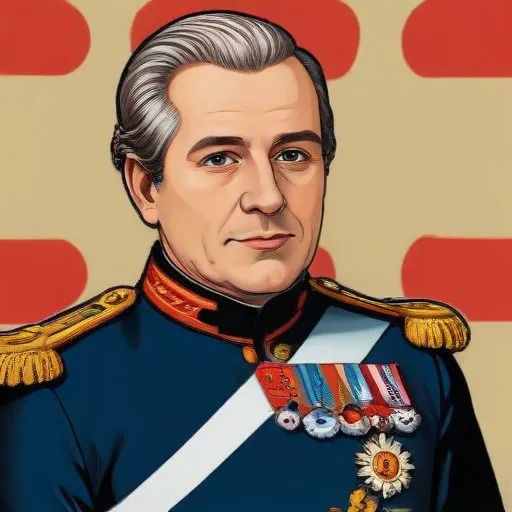
Johann Wilhelm, Elector Palatine: A Life of Grandeur and Diplomacy
A Leader of the Wittelsbach Dynasty
Johann Wilhelm, Elector Palatine, was a prominent figure of the Wittelsbach dynasty, reigning as Elector Palatine from 1690 to 1716, and simultaneously holding the titles of Duke of Neuburg, Duke of Jülich and Berg, and Duke of Upper Palatinate and Cham. He is remembered for his astute diplomacy, cultural patronage, and his significant impact on the history of the Palatinate region.
Early Life and Education
Born on April 19, 1658, in Düsseldorf, Johann Wilhelm was the son of Count Palatine Philip William of Neuburg and Elisabeth
Amalie of Hesse-Darmstadt. He received a Jesuit education and embarked on a grand tour to Italy in 1674, where he developed a deep appreciation for art, architecture, and culture.
Rise to Power and Marriages
In 1679, Johann Wilhelm's father ceded to him the Duchies of Jülich and Berg, which he would later inherit. He succeeded his father as Elector Palatine in 1690. In the same year, he married Archduchess Maria Anna Josepha of Austria, daughter of
Ferdinand III, Holy Roman Emperor, and his third wife, Eleanor of Mantua. This strategic marriage solidified his position and alliances within the royal families of Europe.
Diplomatic Achievements
Johann Wilhelm's diplomatic prowess was exemplified by the Peace of Rijswijk in 1697, where he was restored to many of the possessions taken by the French, with the provision that the Electoral Palatinate would not revert to Protestantism. Although this provision made him unpopular among Protestants, it demonstrated his ability to navigate complex political landscapes. During the War of the Spanish Succession, he received the Bavarian Upper Palatinate, which was later returned to Bavaria in 1714.
Cultural Patronage and Legacy
Johann Wilhelm was a passionate patron of the arts, commissioning numerous architectural projects, including the reconstruction of the Düsseldorf Palace. He also supported prominent artists, such as the court painter, Enoch Seemann. His cultural endeavors have left a lasting impact on the Palatinate region, shaping its architectural and artistic heritage.
Personal Milestones and Legacy
Johann Wilhelm died on June 8, 1716, in Düsseldorf, and was buried in the St. Andreas Church. Having no son, he was succeeded by his brother,
Charles III Philip, Elector Palatine. Despite the controversies surrounding his reign, Johann Wilhelm's diplomatic achievements, cultural patronage, and legacy as a leader of the Wittelsbach dynasty have earned him a lasting place in European history.
Timeline of Key Events
- 1658: Born in Düsseldorf on April 19
- 1674: Embarked on a grand tour to Italy
- 1679: Received the Duchies of Jülich and Berg
- 1690: Succeeded his father as Elector Palatine and married Archduchess Maria Anna Josepha of Austria
- 1697: Signed the Peace of Rijswijk, restoring Palatinate territories
- 1714: Returned the Bavarian Upper Palatinate to Bavaria
- 1716: Died on June 8 in Düsseldorf
Fun Facts and Trivia
- Johann Wilhelm's brother, Franz Ludwig, Count Palatine of Neuburg, was a prominent clergyman.
- His sisters were married to Holy Roman Emperor Leopold I, Peter II of Portugal, and Charles II of Spain.
- Johann Wilhelm's court painter, Enoch Seemann, was a renowned artist of the time.
FAQ
What was Johann Wilhelms role in the Electorate of the Palatinate?
Johann Wilhelm was the Elector Palatine from 1690 to 1716, and played a key role in shaping the regions politics and economy.
What were Johann Wilhelms accomplishments as Elector Palatine?
Johann Wilhelm implemented various reforms, strengthened the regions economy, and promoted education and culture during his reign.
Who was Johann Wilhelms predecessor as Elector Palatine?
Johann Wilhelms predecessor as Elector Palatine was Philip William, his father.
What was Johann Wilhelms relationship with the Holy Roman Empire?
Johann Wilhelm was a member of the Holy Roman Empire and played a key role in shaping the empires politics during the late 17th and early 18th centuries.
What was Johann Wilhelms significance in European history?
Johann Wilhelm played a significant role in shaping European politics and diplomacy during the late 17th and early 18th centuries, particularly in the context of the Holy Roman Empire.