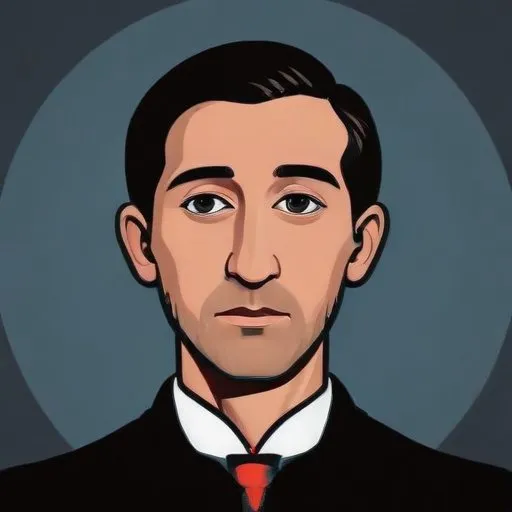
Charles-Nicolas Cochin: The French Engraver Who Left an Indelible Mark on Art
A Master of His Craft
Charles-Nicolas Cochin was a renowned French engraver, designer, writer, and art critic, who earned recognition for his exceptional skill and contributions to the world of art. Born on February 22, 1715, Cochin was widely acclaimed for his mastery of engraving, which earned him the privilege of working with the royal family, including King Louis XV.
Early Life and Education
Cochin was born in Paris to Charles-Nicolas Cochin the Elder, an accomplished engraver, and Louise-Magdeleine Horthemels, an engraver in her own right. He received his early training in engraving from his father, which laid the foundation for his future success. Cochin's thirst for knowledge led him to teach himself Latin, English, and Italian, and he was deeply influenced by the works of philosopher
John Locke.
Familial Connections and Influences
Cochin's family played a significant role in shaping his career. His mother's sisters, Marie-Nicole Horthemels and Marie-Anne-Hyacinthe Horthemels, were both engravers, and their husbands, Alexis Simon Belle and Nicolas-Henri Tardieu, respectively, were prominent figures in the art world. These connections exposed Cochin to a network of artists and intellectuals, which contributed to his growth and success.
Rise to Fame and Royal Patronage
Cochin's talent and connections propelled him to rapid success. In the 1730s, he was part of the Gobelins group, which revolved around Charles Parrocel. By 1737, he was employed by King Louis XV to create engravings commemorating important events at the royal court. This royal patronage cemented Cochin's position as a leading engraver of his time.
Notable Works and Contributions
Cochin's oeuvre includes a wide range of engravings, designs, and writings on art. He was particularly known for his skill in capturing the subtleties of light and shadow, which earned him great acclaim. His writings on art were highly regarded, and he was considered an authority on the subject. Cochin's contributions to the world of art extended beyond his own work; he also nurtured the next generation of artists, sharing his knowledge and expertise.
Legacy and Impact
Charles-Nicolas Cochin's legacy is multifaceted. He played a significant role in shaping the course of French art, and his engravings continue to inspire artists to this day. His contributions to the world of art criticism and theory have had a lasting impact, and his influence can be seen in the work of many subsequent artists. Cochin's remarkable life and achievements serve as a testament to the power of dedication, hard work, and a passion for one's craft.
Personal Milestones and Key Life Events
- 1737: Employed by King Louis XV to create engravings commemorating important events at the royal court
- 1739: Formally attached as designer and engraver to the Menus-Plaisirs du Roi
- Member of the Gobelins group, which centered around Charles Parrocel
Quotes and Memorable Sayings
"Precise observation, knowledge, and skill are essential for creating art that truly captures the human experience." - Charles-Nicolas Cochin
FAQ
Who was Charles-Nicolas Cochin and what was his significance in French art?
Charles-Nicolas Cochin was a French artist, engraver, and writer who lived in the 18th century. He was a prominent figure in the French art world, known for his work in engraving, etching, and printmaking.
What was Charles-Nicolas Cochins contribution to the development of French engraving?
Charles-Nicolas Cochin was an important figure in the development of French engraving, helping to promote the art form and raise its status in the eyes of the French public.
How did Charles-Nicolas Cochin influence the artistic tastes of the French royal court?
Charles-Nicolas Cochin was a favorite of the French royal court, and his work helped to shape the artistic tastes of the monarchy. He was commissioned to produce several works for the Palace of Versailles and other royal residences.
What was Charles-Nicolas Cochins relationship with other French artists of his time?
Charles-Nicolas Cochin was a leading figure in the French art world, and he was associated with other prominent artists of his time, including Jean-Honoré Fragonard and François Boucher.
What is Charles-Nicolas Cochins legacy in French art history?
Charles-Nicolas Cochins legacy in French art history is one of innovation, influence, and artistic excellence. He played a significant role in shaping the development of French engraving and continues to be admired and studied by art lovers today.