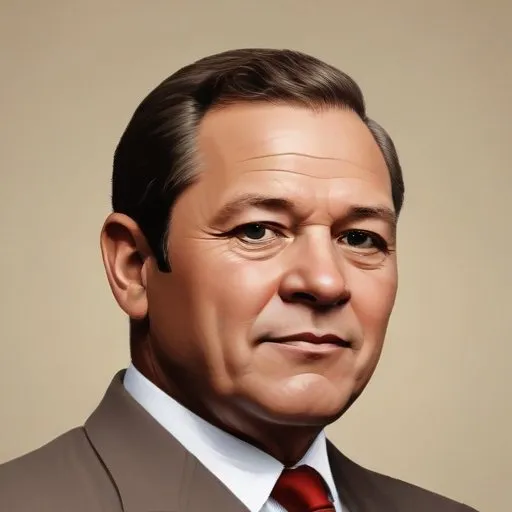
Charles Robberts Swart: The Architect of Apartheid's Downfall
Charles Robberts Swart was a South African politician and lawyer who served as the last Governor-General of the Union of South Africa and the first State President of the Republic of South Africa. He is known for his crucial role in transitioning South Africa from apartheid to democracy, playing a vital part in shaping the country's modern political landscape.
Early Life and Education
Born on December 5, 1894, in Winburg, Orange River Colony (now Free State, South Africa), Swart grew up in a farming family. He studied law at the University of the Orange River Colony (now University of the Free State) and later at the University of Oxford, where he earned a Bachelor of Civil Law degree.
Political Career
Swart's political career began in 1923, when he was elected to the Orange Free State Provincial Council. He later joined the South African Parliament in 1939, serving as Minister of Justice and Minister of Education. In 1959, he was appointed Governor-General of the Union of South Africa, a position he held until 1961. After South Africa became a republic in 1961, Swart served as the country's first State President until 1967.
Role in Apartheid's Downfall
Swart's leadership played a significant role in ending apartheid. He worked closely with President F.W. de Klerk to dismantle the apartheid regime, paving the way for
Nelson Mandela's release from prison and the eventual transition to democracy. In 1990, Swart publicly announced that apartheid was "dead and gone," marking a significant turning point in South Africa's history.
Personal Life and Milestones
Swart married Cornelia Wilhelmina du Plessis in 1924, and the couple had three daughters. He was an avid outdoorsman and farmer, owning a farm in the Free State province. Throughout his life, Swart remained committed to education, serving as a lifelong patron of the University of the Free State.
Influence on Modern Society
Swart's legacy extends beyond his role in ending apartheid. He worked tirelessly to promote national reconciliation and unity, earning him the respect and admiration of South Africans from all walks of life. Today, Swart is remembered as a champion of democracy and a pioneering figure in South Africa's journey towards equality and freedom.
Legacy and Honors
Swart received numerous honors for his contributions to South African politics and society. He was awarded the Order of the Star of South Africa, the country's highest civilian honor, in 1992. The University of the Free State also bestowed upon him an honorary doctorate in law.
Quotes and Memorable Sayings
"The apartheid system is dead and gone. We must now work together to build a new South Africa, where all citizens can live in harmony and equality."
Swart's words, spoken in 1990, continue to inspire generations of South Africans, serving as a testament to his commitment to democracy and equality.
Historical Context and Comparative Analysis
Swart's leadership during the apartheid era is often compared to that of his contemporaries, including F.W. de Klerk and Nelson Mandela. While Swart's role in ending apartheid was instrumental, his actions were often overshadowed by those of his more charismatic counterparts. Nevertheless, his contributions to South Africa's transition to democracy remain undeniable.
Trivia and Fun Facts
- Swart was an accomplished athlete, representing the University of the Orange River Colony in rugby and cricket.
- He was a skilled linguist, fluent in Afrikaans, English, and Dutch.
- Swart served as the Chancellor of the University of the Free State from 1964 to 1976.
In conclusion, Charles Robberts Swart's remarkable life and legacy serve as a testament to the power of leadership and courage in the face of adversity. His tireless efforts to end apartheid and promote national reconciliation continue to inspire generations of South Africans, cementing his place as a pioneer in the country's modern history.
FAQ
What was Charles Robberts Swarts role in South African politics?
Charles Robberts Swart was a prominent figure in South African politics, serving as the 1st State President of South Africa from 1961 to 1967 and playing a key role in the countrys transition from a monarchy to a republic.
What were Charles Robberts Swarts views on apartheid?
Charles Robberts Swart was a strong supporter of the apartheid regime, advocating for the separation of races and the protection of white minority interests.
What was Charles Robberts Swarts background in law?
Charles Robberts Swart was a qualified lawyer, earning a Bachelor of Laws degree from the University of Stellenbosch. He practiced law before entering politics and served as the Attorney-General of the Orange Free State from 1931 to 1937.
What international organizations did Charles Robberts Swart participate in?
Charles Robberts Swart participated in several international organizations, including the United Nations, where he served as a delegate to the General Assembly from 1946 to 1949.
What was Charles Robberts Swarts role in the National Party?
Charles Robberts Swart was a key figure in the National Party, serving as its chairman from 1940 to 1942 and playing a significant role in the partys election campaigns.