


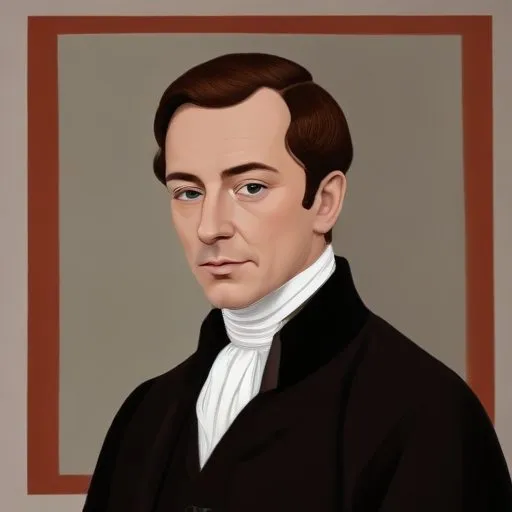
A 17th-century poet and politician who served as Lord Chamberlain of Great Britain, known for his witty poetry and influential role in the Restoration era's literary and political circles.
Charles Sackville, 6th Earl of Dorset, is remembered as a prominent English poet and courtier of King Charles II's court, known for his wit, charm, and scandalous lifestyle. During his lifetime, he earned a reputation as one of the most infamous rakes of the Restoration period, mingling with the likes of Lord Rochester and Sir Charles Sedley.
Born on January 24, 1643, Charles Sackville was the son of Richard Sackville, 5th Earl of Dorset, and Lady Frances Cranfield. He spent his early years abroad with a private tutor, returning to England shortly before the Restoration. This education laid the foundation for his future literary pursuits.
Sackville's entry into politics was brief, sitting for East Grinstead in Sussex during King Charles II's first Parliament. However, he soon lost interest in politics and focused on his true passion: being a courtier and wit at Whitehall. His charisma and humor earned him a place among the king's inner circle.
Sackville's life was marred by numerous scandals, including an indictment for robbery and murder in 1662. Although acquitted, this incident only added to his notoriety. In 1663, he was involved in another controversy, this time for public indecency in Covent Garden, alongside Lord Rochester and Sir Charles Sedley.
Despite his turbulent personal life, Sackville made significant literary contributions. His poetry, often focused on love and relationships, showcased his wit and clever wordplay. Although many of his works have been lost over time, his surviving poems demonstrate his skill as a poet of the Restoration period.
Sackville's life and works may seem scandalous by modern standards, but they reflect the excesses and indulgences of the Restoration period. His poetry and literary contributions continue to provide insight into the cultural and social norms of 17th-century England.
Charles Sackville, 6th Earl of Dorset, will forever be remembered as a representative of the debauched and decadent Restoration era. His poetry and courtly charm have ensured his place in history, despite the controversies that surrounded his life.
Born in 1631
A dominant literary figure of the Restoration era, known for his influential poetry, plays, and critical essays that shaped the English literary landscape. He's often credited with creating a new style of heroic drama and satire.
Born in 1667
A witty wordsmith who penned scathing social commentaries, including the iconic "Gulliver's Travels", which continue to delight and provoke readers to this day.
Born in 1670
Restoration-era playwright and poet renowned for witty, satirical comedies of manners that continue to influence English literature and theatre. His works remain popular for their clever dialogue and insight into human nature.
Born in 1664
Designed grand English country houses, like Blenheim Palace, and wrote witty Restoration comedies, blending architecture and drama.
