


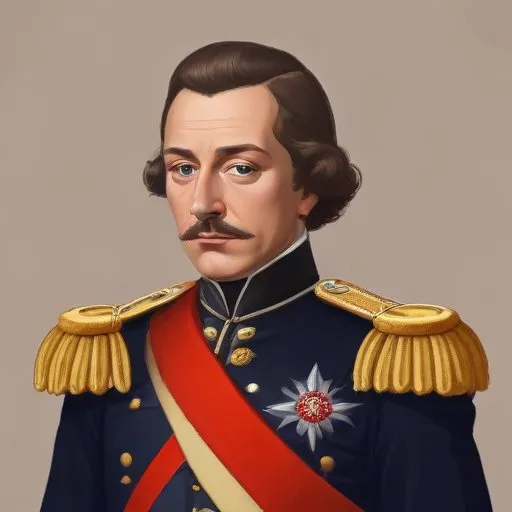
A 17th-century English nobleman and military officer who served as a governor and diplomat, known for his involvement in the Glorious Revolution and his role in the Anglo-Dutch Wars.
Known for his bravery and tragic fate, Charles Weston, 3rd Earl of Portland, was a British nobleman who lost his life in the Battle of Lowestoft in 1665. He was the only son and heir of the 2nd Earl of Portland, and his brief but eventful life left a lasting impact on the noble family and British history.
Charles Weston was born on May 19, 1639, and was christened at St Margarets, Westminster. He was the only son of Jerome Weston, 2nd Earl of Portland, and Lady Frances Stuart. In 1663, he succeeded his father as Earl of Portland, inheriting the title and entailed property.
In May 1665, Weston volunteered to join the English fleet, led by the Duke of York, to fight against the Dutch in the Battle of Lowestoft. He sailed on the Royal James, but his bravery was short-lived. On June 3, 1665, Weston was killed by a cannon shot, leaving behind a will he had written just a few days prior.
Since Weston never married, his title and property passed to his uncle, Thomas Weston. Despite his short life, Weston's legacy as the 3rd Earl of Portland remains, serving as a testament to the sacrifices made by British nobility during times of war.
Weston's life and death serve as a reminder of the turbulent times in 17th-century Britain, marked by conflicts with the Dutch and the English Civil War. His story is a testament to the nobility's role in shaping British history and the sacrifices made by those who fought for their country.
While Weston's life was cut short, his legacy as a member of the noble class has contributed to our understanding of British history and the role of the nobility in shaping the country's fate. His story serves as a reminder of the importance of remembering and honoring those who have fought for their country.
Born in 1640
A prominent military leader and politician who served as Lord Steward of the Household, known for his loyalty to the monarchy and involvement in significant historical events. He played a key role in shaping England's politics and governance during the 17th century.
Born in 1610
A prominent 17th-century figure who served as Lord Lieutenant of Ireland, playing a key role in Irish and British politics, while also being a respected academic and military leader. He's most known for his strategic military victories and effective governance of Ireland.
Born in 1650
A renowned military strategist and politician who led British forces to numerous victories in the War of the Spanish Succession, earning him great acclaim and prestige. He was also a trusted advisor to Queen Anne.
