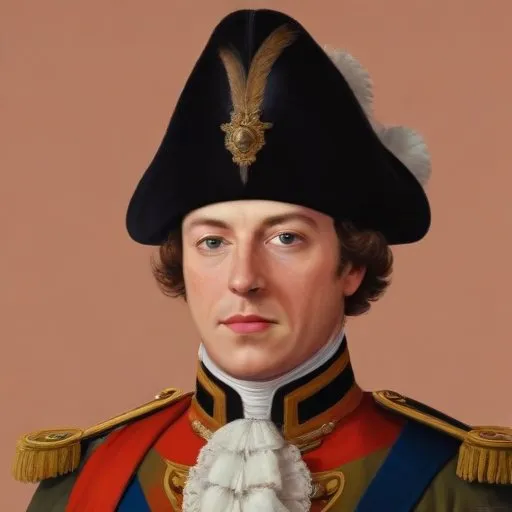
William Cavendish, 1st Duke of Devonshire: The Architect of the Glorious Revolution
A Champion of Protestantism and Liberty
William Cavendish, 1st Duke of Devonshire, was a pioneering figure in English history, renowned for his pivotal role in the Glorious Revolution of 1688 and his unwavering commitment to the Protestant faith. As a member of the Immortal Seven, a group of influential noblemen, Cavendish played a crucial part in inviting William of Orange to overthrow James II, paving the way for a new era of English politics.
Early Life and Education
Born on January 25, 1640, Cavendish was the son of William Cavendish, 3rd Earl of Devonshire, and Lady Elizabeth Cecil. He received a classical education, which laid the foundation for his later political pursuits. Following a grand tour of Europe, Cavendish returned to England and began his foray into politics.
Rise to Prominence
In 1661, Cavendish was elected as the Member of Parliament for Derbyshire, a position he held until 1684. During his tenure, he became a prominent Whig leader, advocating for Protestantism and liberty. Cavendish's strong stance against Catholicism and his support for the Exclusion Bill, which aimed to prevent James, Duke of York, from ascending to the throne, earned him recognition as a champion of the Protestant cause.
The Glorious Revolution
Cavendish's most significant contribution came in 1688, when he, along with six other prominent noblemen, signed the Invitation to William, urging William of Orange to invade England and overthrow James II. This bold move led to the Glorious Revolution, which ended Catholic rule and established the supremacy of Parliament.
Duke of Devonshire
In recognition of his efforts, William III rewarded Cavendish by elevating him to the dukedom in 1694. This prestigious title solidified Cavendish's position as a leading figure in English politics, and he went on to serve as a trusted advisor to William III.
Personal Life and Legacy
Cavendish's personal life was marked by his marriage to Mary Butler, with whom he had several children. He was also known for his cultural pursuits, including his passion for architecture and art. Cavendish's legacy extends beyond his political achievements, as he played a significant role in shaping the cultural and artistic landscape of 17th-century England.
Impact on Modern Society
Cavendish's contributions to the Glorious Revolution had far-reaching implications for modern society. His unwavering commitment to Protestantism and liberty helped establish the principles of religious tolerance and the rule of law, which continue to influence British politics to this day.
- Cavendish's involvement in the Glorious Revolution paved the way for the Bill of Rights, which guaranteed certain freedoms and protections to British citizens.
- His support for the Exclusion Bill helped establish the concept of parliamentary supremacy, ensuring that the monarch's power was limited by the legislature.
- Cavendish's architectural pursuits, particularly his work on Chatsworth House, have left a lasting impact on British architectural heritage.
Conclusion
William Cavendish, 1st Duke of Devonshire, was a visionary leader who played a pivotal role in shaping the course of English history. His unwavering commitment to Protestantism, liberty, and the rule of law continues to inspire generations, cementing his place as one of the most important figures of the 17th century.
FAQ
What were William Cavendishs military achievements and roles?
William Cavendish was an English soldier and politician who served as Lord Steward of the Household and fought in several military campaigns, including the Irish Confederate Wars and the Third Anglo-Dutch War.
How did William Cavendish rise to prominence in English politics?
William Cavendish rose to prominence through his military service and his marriage to Lady Christian Bruce, which brought him wealth and connections to the royal court.
What were William Cavendishs contributions to English society and culture?
William Cavendish was a patron of the arts and a supporter of the Restoration theatre, and his estates at Chatsworth House and Hardwick Hall became important cultural centers.
How did William Cavendishs politics reflect the Restoration era?
William Cavendishs politics reflected the Restoration eras emphasis on royalism and Anglicanism, and he played a key role in supporting the monarchy and suppressing dissent.
What is the legacy of William Cavendish in English history?
William Cavendish is remembered as a prominent figure in English history, known for his military service, his politics, and his cultural patronage, and his legacy continues to be felt at Chatsworth House and Hardwick Hall.