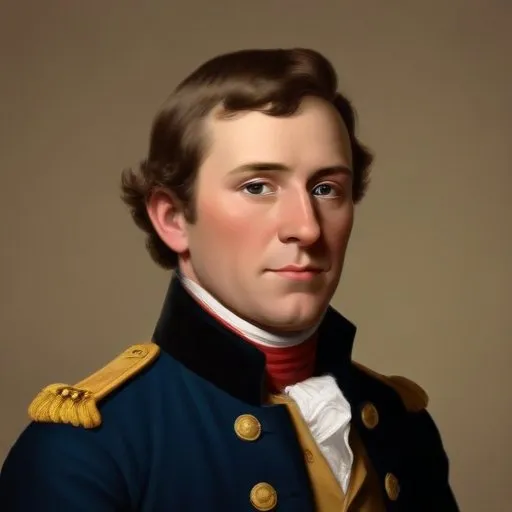
Charles Willson Peale: The Prolific Artist, Patriot, and Polymath
A Master of Portraiture and American Icon
Charles Willson Peale is renowned for his captivating portraits of leading American figures of the late 18th century, including
George Washington,
Thomas Jefferson, and
Benjamin Franklin. His artistic talent, combined with his passion for American independence, made him a prominent figure in the American Revolution and beyond.
Early Life and Apprenticeships
Born on April 15, 1741, in Chester, Maryland, Peale was the son of Charles Peale and Margaret Triggs. After his father's death in 1750, 13-year-old Peale became an apprentice to saddle maker Nathan Waters. He later tried his hand at clockmaking and metalwork, but it was painting that ultimately became his true calling.
Rise to Prominence as an Artist
Peale's artistic talent was nurtured under the guidance of John Hesselius and
John Singleton Copley. His skills quickly flourished, and he established himself as a talented portrait painter. In 1775, inspired by the American Revolution, Peale moved to Philadelphia, where he set up a painting studio and joined the Sons of Liberty. This marked the beginning of his involvement in the fight for American independence.
Military Service and Patriotism
During the American Revolutionary War, Peale served in the Pennsylvania Militia and the Continental Army, participating in several military campaigns. His dedication to the cause was evident in his artwork, which often depicted prominent figures of the Revolution.
Founding of the Philadelphia Museum
In 1784, Peale founded the Philadelphia Museum, one of the first American museums. This institution showcased his vast collection of natural history specimens, artifacts, and artworks, making it a hub for scientific inquiry and cultural enrichment.
Legacy and Impact
Peale's portraits continue to be celebrated for their historical significance and artistic merit. In 2005, his 1779 portrait "Washington at Princeton" sold for $21.5 million, the highest price ever paid for an American portrait. His legacy extends beyond his art, as his contributions to the American Revolution, science, and education have left an indelible mark on American history.
Personal Milestones and Key Life Events
- 1764: Joined the Sons of Liberty
- 1775: Moved to Philadelphia and established a painting studio
- 1779: Served in the Continental Army during the American Revolutionary War
- 1780: Served in the Pennsylvania State Assembly
- 1784: Founded the Philadelphia Museum
- 1827: Passed away on February 22, at the age of 85
Philosophical Contributions and Beliefs
Peale's work embodied the Enlightenment values of reason, individualism, and democracy. His artistic and scientific pursuits reflected his commitment to the ideals of the American Revolution, including liberty, equality, and the pursuit of knowledge.
Visual Timeline and Milestones

This visual timeline highlights key events in Peale's life, from his early apprenticeships to his later achievements as an artist, patriot, and polymath.
Trivia and Fun Facts
- Peale's brother, James Peale, was also an artist and accompanied him on several military campaigns.
- Peale was a prolific artist, producing over 1,000 paintings during his lifetime.
- He was known for his innovative use of taxidermy in his natural history displays.
Conclusion
Charles Willson Peale's remarkable life and achievements continue to inspire generations of Americans. As an artist, patriot, and polymath, he embodied the spirit of the American Revolution, leaving behind a legacy that is both a testament to his creativity and a reflection of the era in which he lived.
FAQ
Who was Charles Willson Peale and what were his contributions to American art?
Charles Willson Peale was an American painter and soldier who made significant contributions to American art. He is known for his portraits of prominent American figures, including George Washington and Thomas Jefferson.
What was Charles Willson Peales role in the American Revolution?
Peale served as a captain in the Continental Army during the American Revolution and was present at the Battle of Princeton. He also created propaganda posters and flags for the Continental Army.
How did Charles Willson Peales art reflect the values of the American Enlightenment?
Peales art reflected the values of the American Enlightenment, including the emphasis on reason, individualism, and democracy. His portraits of American leaders helped to establish their reputations and create a sense of national identity.
What was Charles Willson Peales legacy in American art?
Peales legacy in American art is significant. He helped to establish the first art museum in the United States and was a mentor to many later American artists, including Rembrandt Peale and Thomas Sully.
How did Charles Willson Peales art business contribute to the development of Philadelphia?
Peales art business helped to establish Philadelphia as a center of artistic and cultural activity. His museum and art school attracted visitors and students from across the country and helped to establish Philadelphia as a major cultural center.