


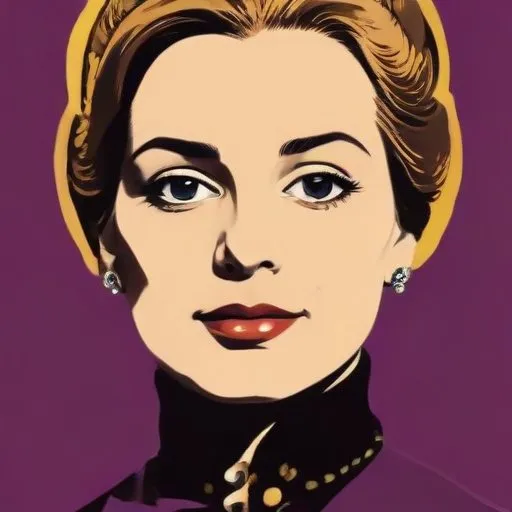
Christine of Hesse, born on June 29, 1543, was a remarkable figure in European history, known for her strong will, philanthropic efforts, and dedication to education as the Duchess consort of Holstein-Gottorp. Through her marriage to Duke Adolf of Holstein-Gottorp, she exerted significant political influence, particularly after her husband's death in 1586.
Christine was born in Kassel, Germany, to Landgrave Philip I of Hesse and his spouse Christine of Saxony. She received a strict Protestant upbringing under the guidance of her aunt, Elizabeth, Dowager Duchess of Saxony. This strong foundation in faith and education shaped her future endeavors.
In 1564, Christine married Duke Adolf of Holstein-Gottorp, solidifying an alliance between the two powerful families. Although the wedding celebration was marred by a scandal involving excessive alcohol consumption, the union produced several children who would go on to play important roles in European politics.
As duchess, Christine supported various charitable initiatives, including the establishment of churches, schools, and scholarships for poor students pursuing theological studies. Her interest in medicine led her to manufacture her own remedies, showcasing her innovation and compassion.
After Duke Adolf's death in 1586, Christine dedicated herself to defending her son Philip's rights against the council. This period marked a significant shift in her role, as she navigated the complexities of politics with unwavering determination.
Christine's artistic side was evident in her composition of the psalmbook Geistliche Psalmen und Lieder in 1590. This collection of devotional songs showcased her talent and spiritual depth.
Christine's marriage to Duke Adolf produced nine children, including:
Through her daughters Sophia and Anna, Christine is an ancestor of British Monarch Charles III, cementing her place in the annals of European royal history.
Christine of Hesse's remarkable life serves as a testament to the power of determination, compassion, and innovation. Her legacy continues to inspire generations, reminding us of the importance of education, social welfare, and artistic expression.
Born in 1502
A German princess who married into the Saxon royal family and was a patron of the arts, particularly music and literature. She was also a strong advocate for women's education and social welfare.
Born in 1738
The British monarch who ruled during the American Revolution, losing the colonies, and later suffered a mental illness that led to a regency crisis. He's also known for his cultural and artistic patronage.
