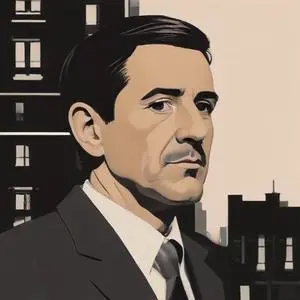
Colin Rowe: The Visionary Architectural Historian and Critic
A Life Dedicated to Shaping Modern Architecture
Colin Rowe, a British-born, American-naturalized architectural historian, critic, and theoretician, left an indelible mark on the world of architecture and urbanism in the second half of the 20th century. Through his groundbreaking writings, teachings, and critiques, Rowe influenced generations of architects, planners, and urban designers, shaping the course of modern architecture.
Early Life and Education
Born on March 27, 1920, in Rotherham, England, Colin Frederick Rowe was the son of Frederick W. Rowe, a schoolteacher, and Helena Beaumount. Rowe's academic excellence earned him a scholarship to the local Grammar School, followed by a degree in architecture from the University of Liverpool. During World War II, he served in the Royal Air Force, where a parachute jump accident left him hospitalized for over six months.
Theoretical Approach and Academic Career
Rowe's 1945 MA thesis, written under the guidance of Rudolf Wittkower at the Warburg Institute, London, sparked his fascination with theoretical speculation. His thesis explored the possibility of
Inigo Jones intending to publish a treatise on architecture, analogous to Palladio's Four Books of Architecture. Although this idea remained unsubstantiated, it laid the foundation for Rowe's future works. Rowe taught briefly at the University of Texas at Austin and the University of Cambridge before becoming a professor at Cornell University in Ithaca, New York, where he spent most of his career.
Influence and Legacy
Colin Rowe's teachings and writings have had a profound impact on modern architecture and urbanism. His students, many of whom became prominent architects, extended his influence across the profession. Rowe's critiques and theories continue to shape architectural discourse, inspiring innovative designs and urban planning strategies.
Awards and Honors
In recognition of his outstanding contributions, Rowe received the prestigious Gold Medal from the Royal Institute of British Architects in 1995, its highest honor. Posthumously, he was awarded the Athena Medal from the Congress for the New Urbanism in 2011.
Major Works and Publications
Some of Rowe's most influential works include:
- The Mathematics of the Ideal Villa (1947)
- The Architecture of Good Intentions (1963)
- Collage City (1978), co-authored with Fred Koetter
- The Cornell Journal of Architecture, which he edited from 1961 to 1984
Philosophical Contributions and Beliefs
Rowe's work was characterized by a deep respect for historical precedents and a commitment to understanding the evolving nature of architecture. He believed that design should be informed by a nuanced understanding of cultural, social, and economic contexts.
Personal Milestones and Key Life Events
Rowe's life was marked by significant events, including his wartime injury, which left him hospitalized for over six months. His letters, published in
The Letters of Colin Rowe: Five Decades of Correspondence, offer insight into his personal and professional relationships.
Impact on Modern Society
Colin Rowe's ideas and teachings have contributed significantly to shaping modern architecture and urban planning. His influence can be seen in the works of prominent architects, urban designers, and planners, who continue to draw inspiration from his theoretical frameworks and critiques.
Historical Context and Legacy
Rowe's life and work spanned a tumultuous period in world history, during which he remained committed to his vision of a more thoughtful and contextually aware architecture. His legacy continues to inspire new generations of architects, urban designers, and planners, ensuring his relevance in the 21st century.
In Memoriam
Colin Rowe passed away on November 5, 1999, leaving behind a profound and lasting impact on the world of architecture and urbanism. His life's work serves as a testament to the power of critical thinking, intellectual curiosity, and dedication to shaping a better built environment.
FAQ
What was Colin Rowes contribution to architectural theory?
Colin Rowe was a prominent architectural theorist, known for his work on the relationships between architecture, urbanism, and modernity. His writings and teachings helped shape the field of architectural theory and criticism.
What was Colin Rowes approach to architectural education?
Colin Rowes approach to architectural education emphasized the importance of critical thinking, intellectual curiosity, and interdisciplinary learning. He encouraged students to engage with the broader cultural and historical contexts in which architecture operates.
What was Colin Rowes role in the development of postmodern architecture?
Colin Rowe played a significant role in the development of postmodern architecture, particularly through his writings and critiques of modernist architecture. His work helped pave the way for a more diverse and eclectic approach to architectural design.
What was Colin Rowes impact on urban theory?
Colin Rowes impact on urban theory is profound, as his work helped shape the field of urban studies and planning. His ideas about the importance of mixed-use development, density, and walkability continue to influence urban design and policy today.
What is Colin Rowes legacy in architectural history?
Colin Rowes legacy is that of a pioneering architectural theorist and educator, whose work continues to influence generations of architects, urban planners, and scholars. His contributions to the field of architectural history and theory are immeasurable.