


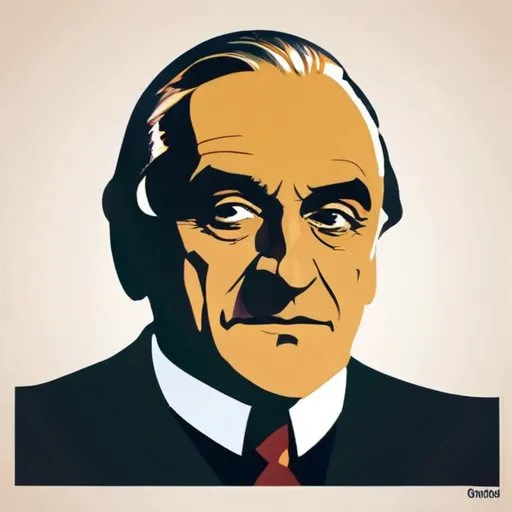
A pioneering silent film star, known for his haunting, androgynous looks and iconic roles in classics like "The Cabinet of Dr. Caligari" and "Casablanca".
Conrad Veidt was a German-British actor who rose to fame in the early 20th century with his haunting performances in silent films, earning him the title of one of the most versatile and highly paid stars of UFA, Germany's renowned film studio. With his unique blend of intensity and charisma, Veidt captivated audiences in classics like Different from the Others (1919), The Cabinet of Dr. Caligari (1920), and The Man Who Laughs (1928).
Born on January 22, 1893, in Berlin, Germany, Veidt was the youngest of two sons to Philipp Heinrich Veidt, a former military man turned civil servant, and Amalie Marie nee Gohtz. His family was Lutheran, and Veidt was baptized on March 26, 1893. Growing up, Veidt was nicknamed "Connie" or "Conny" by his family and friends.
Veidt's early life was marked by tragedy, including the loss of his older brother Karl to scarlet fever in 1900 and his father's near-fatal illness two years later. These experiences instilled in Veidt a sense of empathy and responsibility, which he would later channel into his acting career.
In 1933, with the Nazi Party's rise to power, Veidt and his Jewish wife, Ilona Prager, fled Germany for Britain. Veidt took British citizenship in 1939, and the couple settled in London. This move marked a significant turning point in Veidt's career, as he began to appear in British films, including the iconic The Thief of Bagdad (1940).
In 1941, Veidt immigrated to the United States, where he landed his final film role, playing the sinister Major Strasser in the classic Casablanca (1942). Released during his lifetime, Casablanca cemented Veidt's status as a master of the silver screen.
Conrad Veidt's remarkable career spanned over two decades, with over 100 films to his credit. He was a true pioneer of the silent era, pushing the boundaries of cinematic storytelling with his intense, memorable performances.
Veidt's influence on modern cinema is undeniable, inspiring generations of actors, directors, and filmmakers. His legacy extends beyond his films, as he remains an icon of resilience and courage in the face of political turmoil.
Conrad Veidt passed away on April 3, 1943, leaving behind a rich cinematic legacy that continues to captivate audiences to this day.
Born in 1901
A glamorous and androgynous Hollywood icon, known for her sultry voice, striking features, and trailblazing gender-bending style on screen. She mesmerized audiences with her unique blend of European sophistication and American charm.
Born in 1905
A legendary actress who captivated audiences with her iconic performances on the silver screen, earning her the title of Hollywood's first female superstar.
Born in 1899
Iconic leading man of classic Hollywood cinema, starring in timeless films like Casablanca and The African Queen, embodying a tough, charismatic on-screen presence.
Born in 1904
Debonair leading man of Hollywood's Golden Age, starring in iconic romantic comedies and dramas, known for suave charm and witty banter.
Born in 1915
A legendary actress who captivated audiences with her natural, emotional performances in films like "Casablanca" and "Autumn Sonata", earning her three Academy Awards.
Born in 1908
Iconic leading man of Hollywood's Golden Age, starring in classics like "It's a Wonderful Life" and "Rear Window", bringing everyman charm to cinematic legends.
Born in 1908
A legendary actress who dominated Hollywood's Golden Age with her powerful performances and iconic roles in films like "All About Eve" and "What Ever Happened to Baby Jane?"
66 Years Old
A soulful blues and folk musician, known for his poetic lyrics and soothing melodies that echo the likes of Bob Dylan and Neil Young.
