


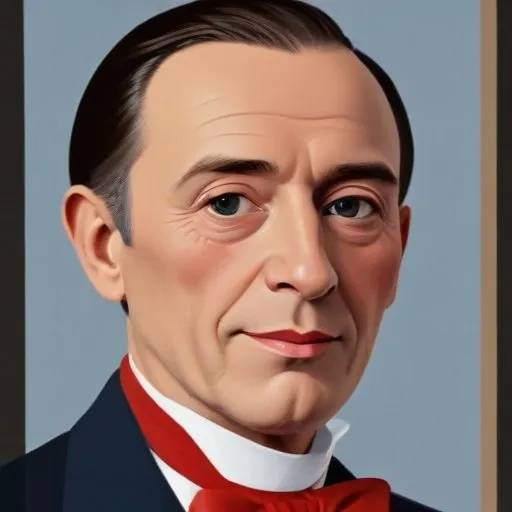
A pioneering abstract expressionist, known for vibrant, emotive paintings that explored the relationship between color and emotion. His work continues to inspire contemporary artists.
Cornelis Ruhtenberg was a Latvian-American painter known for her remarkable talent, which flourished despite the turmoil of World War II. Born on November 18, 1923, in Riga, Latvia, Ruhtenberg's artistic journey was marked by her ability to adapt and thrive in the face of adversity.
Ruhtenberg's early life was a testament to her family's nomadic lifestyle. She grew up in Latvia, Germany, and Sweden, with her family eventually settling in Berlin in the late 1920s. Her parents' divorce in 1931 led to Ruhtenberg choosing to stay with her mother in Berlin, while her father moved to Sweden.
Despite the challenges she faced, Ruhtenberg pursued her passion for art, studying at the Hochschule für Bildende Kunst in Berlin between 1941 and 1946. During this time, she lived with her mother and focused on her craft, even after a gymnastics accident in 1942 left her with broken arms. This unfortunate event, however, allowed her to avoid joining Nazi youth labor groups, and she was able to maintain a low profile for the remainder of the war.
During the war, Ruhtenberg continued to paint, often using scavenged plywood from demolished buildings as her canvas. Her talent did not go unnoticed, as she was named one of Germany's 25 greatest living painters by the Prolog group in 1946, one of only four women on the list.
In 1948, Ruhtenberg immigrated to the United States, where she reunited with her father, who had lived in the country since 1932. Her art career flourished in her new home, with her first exhibition featuring 15 paintings at the Colorado Springs Fine Arts Center in May 1948.
Ruhtenberg's talent was met with astonishment by fellow artists, who couldn't explain how she had developed such remarkable skills "under unimaginable conditions." She went on to exhibit her art in New York City before moving to Iowa with her husband, Jules Kirschenbaum, whom she met in 1952.
Cornelis Ruhtenberg's life was a testament to the power of art to overcome adversity. Her legacy serves as a reminder that even in the darkest of times, creativity and determination can lead to greatness.
Born in 1903
A pioneer of abstract expressionism, creating bold, rectangular color fields that evoke emotions and spark introspection. His works are a testament to the power of art to transcend language and culture.
Born in 1912
Pioneering abstract expressionist artist who splattered and dripped paint to create dynamic, emotive works that redefined modern art. Known for chaotic, intricate pieces that evoke raw emotion.
Born in 1904
A pioneering abstract expressionist, he revolutionized modern art with bold, expressive brushstrokes and vibrant colors, creating dynamic, emotive pieces that continue to inspire.
Born in 1905
A pioneer of Abstract Expressionism, creating bold, color-field paintings that evoke emotions and spirituality. His iconic "zip" paintings feature vibrant, vertical stripes that seem to pulse with energy.
Born in 1904
A pioneering abstract expressionist, creating large-scale, gestural paintings that explored the human experience and the American West. Known for his bold, expressive brushstrokes and vibrant color palette.
Born in 1925
A pioneer of pop art, combining found objects and images to create innovative, thought-provoking works that blurred the lines between art and everyday life.
96 Years Old
A pioneer of pop art, creating enigmatic works that explore the relationship between perception, reality, and meaning, often using common images like flags and targets.
Born in 1882
A pioneering realist artist capturing the essence of modern American life through poignant, cinematic scenes of urban isolation and melancholy, evoking a sense of nostalgia and quiet contemplation.
