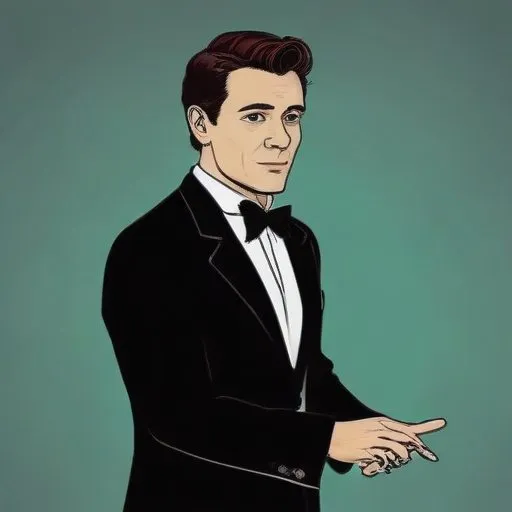
Cy Walter: The Art Tatum of Park Avenue
A Legendary Pianist with a Touch of Elegance
Cy Walter was an American café society pianist renowned for his extensive repertoire, impeccable improvisatory skills, and effortless ability to charm audiences with his smooth, sophisticated style. Often referred to as the "
Art Tatum of Park Avenue," Walter's four-decade-long career in New York City saw him perform in some of the city's most prestigious venues, rubbing shoulders with the crème de la crème of society.
A Musical Upbringing
Born in Minneapolis, Minnesota, on September 16, 1915, Walter grew up in a musical family. His mother, a professional piano teacher, instilled in him a deep love and appreciation for music from a young age. Walter's early classical training laid the foundation for his later success as a pianist.
A Career that Spanned Decades
Walter's professional career began in the 1930s, when he joined the Eddie Lane Orchestra. Over the years, he worked as a solo pianist, accompanist, and bandleader, performing at upscale bars, supper clubs, and nightclubs like the Algonquin, the Blue Angel, and Tonys on West 52nd Street. In the late 1930s and early 1940s, Walter explored other musical surroundings, including working as a pit pianist for the
Jerome Kern musical
Very Warm for May, as accompanist for
Mabel Mercer and
Greta Keller, and as leader of his own orchestra at the night club La Martinique.
Radio and Recording Career
Walter's radio and recording career was marked by success and innovation. From 1944 to 1952, he appeared regularly as part of a duo piano team with
Stan Freeman, and later with Walter Gross, on ABC's popular weekly radio series
Piano Playhouse. This pioneering program, which reached an international audience over Armed Forces Radio, featured unusual combinations of pianists from the jazz and classical worlds, including duos, trios, and quartets.
Philosophical Contributions and Beliefs
Walter's approach to music was deeply personal and intuitive. He believed in the importance of connecting with his audience, creating a sense of intimacy and warmth in his performances. His music was a reflection of his own refined taste and sensibility, which resonated with the sophisticated clientele of New York City's elite circles.
Personal Milestones and Key Life Events
Walter's life was marked by several significant milestones, including a fourteen-month stint in the Maritime Service during World War II. After the war, he opened his own club, Cy Walter's Night Cap, which became a popular gathering spot for the city's elite.
Influence on Modern Society
Cy Walter's impact on modern society can be seen in the many pianists and musicians he inspired. His elegant, sophisticated style, which blended jazz, classical, and popular music, helped to shape the sound of American popular music in the mid-20th century.
Quotes and Memorable Sayings
- "Music is a way of expressing the inexpressible." - Cy Walter
- "The greatest pianists are those who can make you feel what they're feeling." - Cy Walter
Legacy and Impact
Cy Walter's legacy continues to be felt in the world of music today. His unique blend of style, sophistication, and technical mastery has inspired generations of pianists, from jazz legends like
Bill Evans and
Herbie Hancock to classical virtuosos like
Lang Lang and Yuja Wang. As a testament to his enduring influence, Walter's music remains a staple of New York City's cultural landscape, evoking the glamour and refinement of a bygone era.